

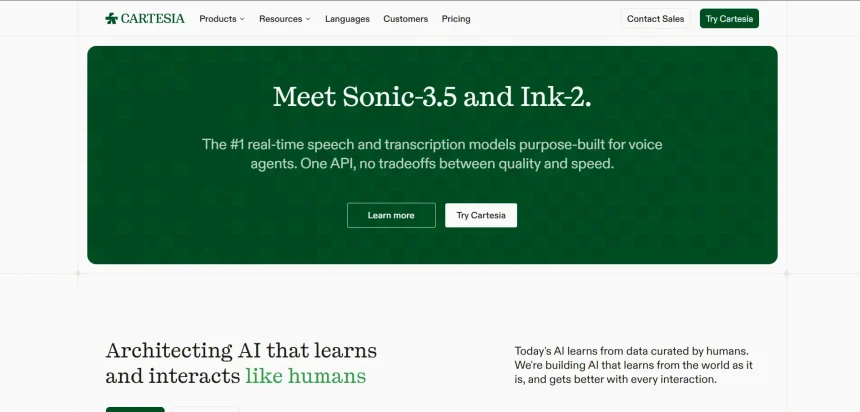
Cartesia has earned a strong reputation for ultra-low-latency, realistic voice synthesis, but it is not the only option for creators, developers, and businesses looking for AI voice generation. This article rounds up 10 most popular Cartesia Alternatives available. Each entry covers free trial availability, official pricing plans, and a breakdown of pros and cons to help you choose the right voice AI platform for your specific workflow and creative needs.
1. HeyGen
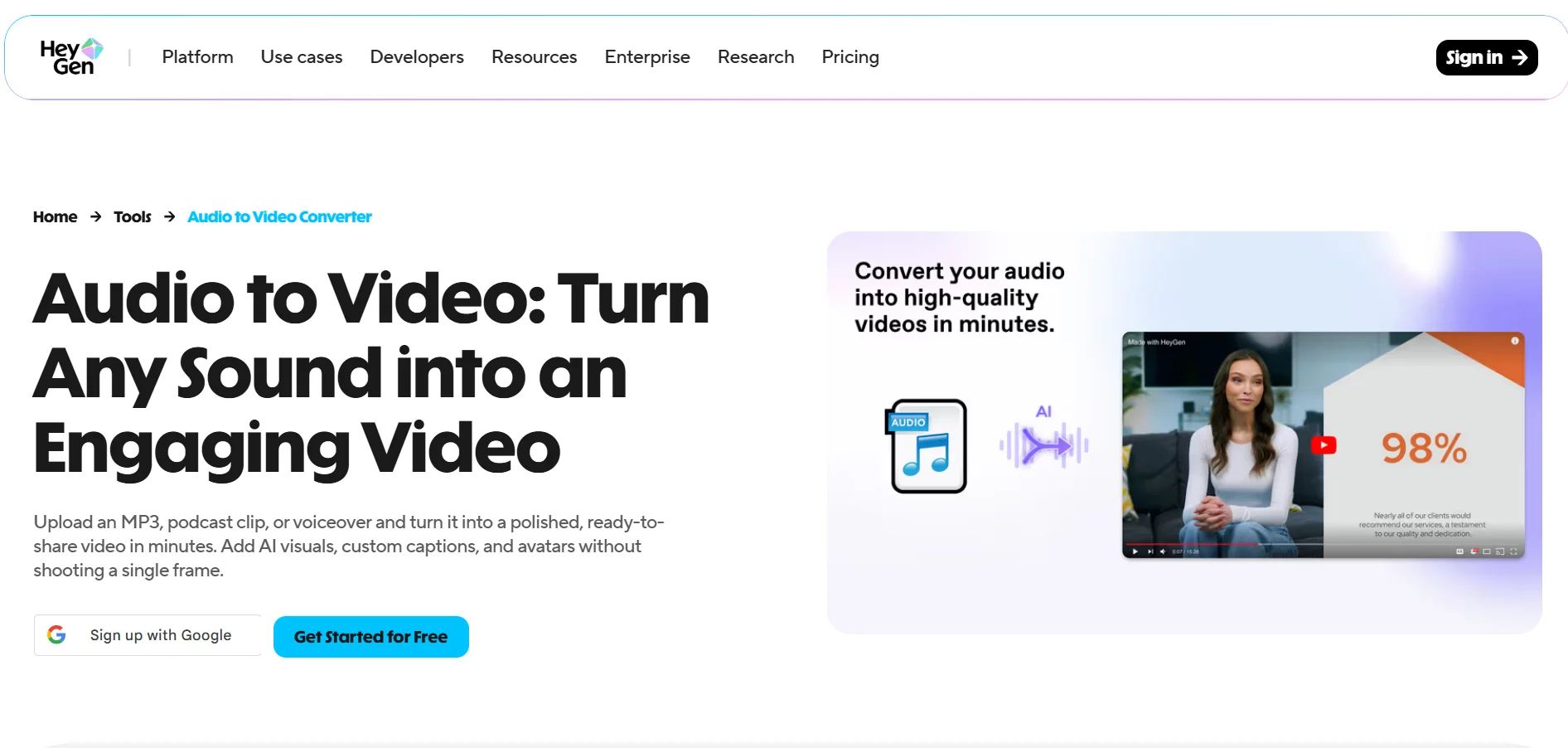
HeyGen is primarily an AI avatar video platform that also includes strong text-to-speech and voice cloning capabilities. It lets users generate talking avatars, translate videos into other languages, and produce voiceovers with natural intonation, making it popular among marketers and course creators who need both visuals and voice.
The Creator plan removes watermarks and unlocks 1080p exports along with voice cloning, making it a practical starting point for solo creators. Larger teams benefit from Business and Enterprise tiers, which add 4K rendering, SSO, and dedicated support, though the credit-based system can get expensive for high-volume users.
Pros
- Realistic AI avatars paired with voice
- Supports 30+ languages for dubbing
- No credit card needed for free plan
- Fast-growing feature set
Cons
- Credit system can be confusing
- Free plan is heavily limited
- Higher tiers get expensive fast
- Focused more on video than pure audio
2. Minimax
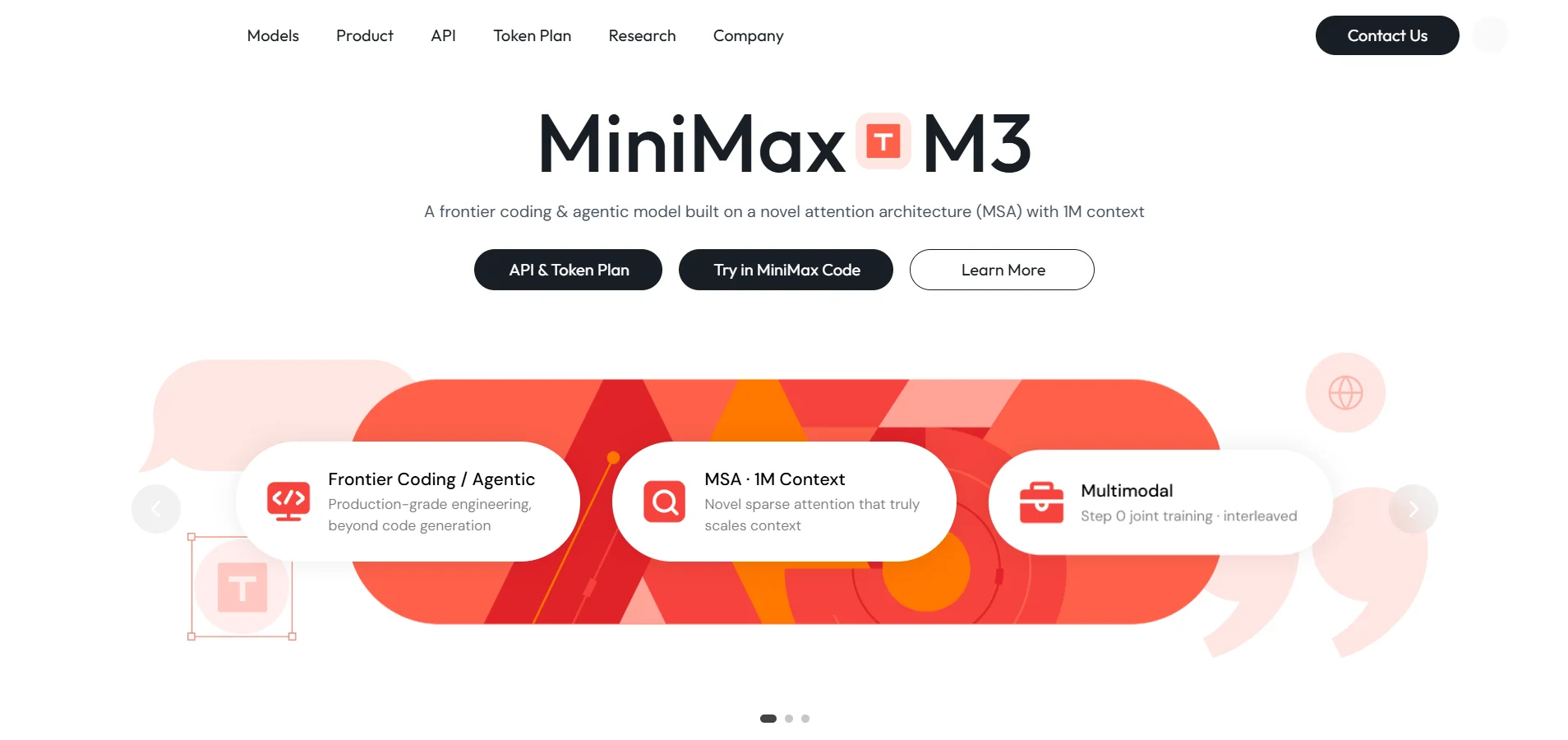
MiniMax Audio is a developer-friendly text-to-speech and voice cloning platform built on its Speech 2.x model family. It supports over 17 languages and offers both a consumer-facing subscription app and a token-based API for developers who want to integrate voice generation into their own products.
Its rapid voice cloning feature, priced separately from subscriptions, allows fast custom voice creation for a small one-time fee. The pricing is notably competitive against larger voice AI providers, though the credit system requires some math to understand real audio-minute costs across different plans.
Pros
- Very competitive API pricing
- Fast voice cloning at low cost
- Free daily credits for testing
- Supports 17+ languages
Cons
- Credit-to-character math is unclear
- Less brand recognition than rivals
- Free credits expire daily
- Documentation can be technical
3. Lovo.ai
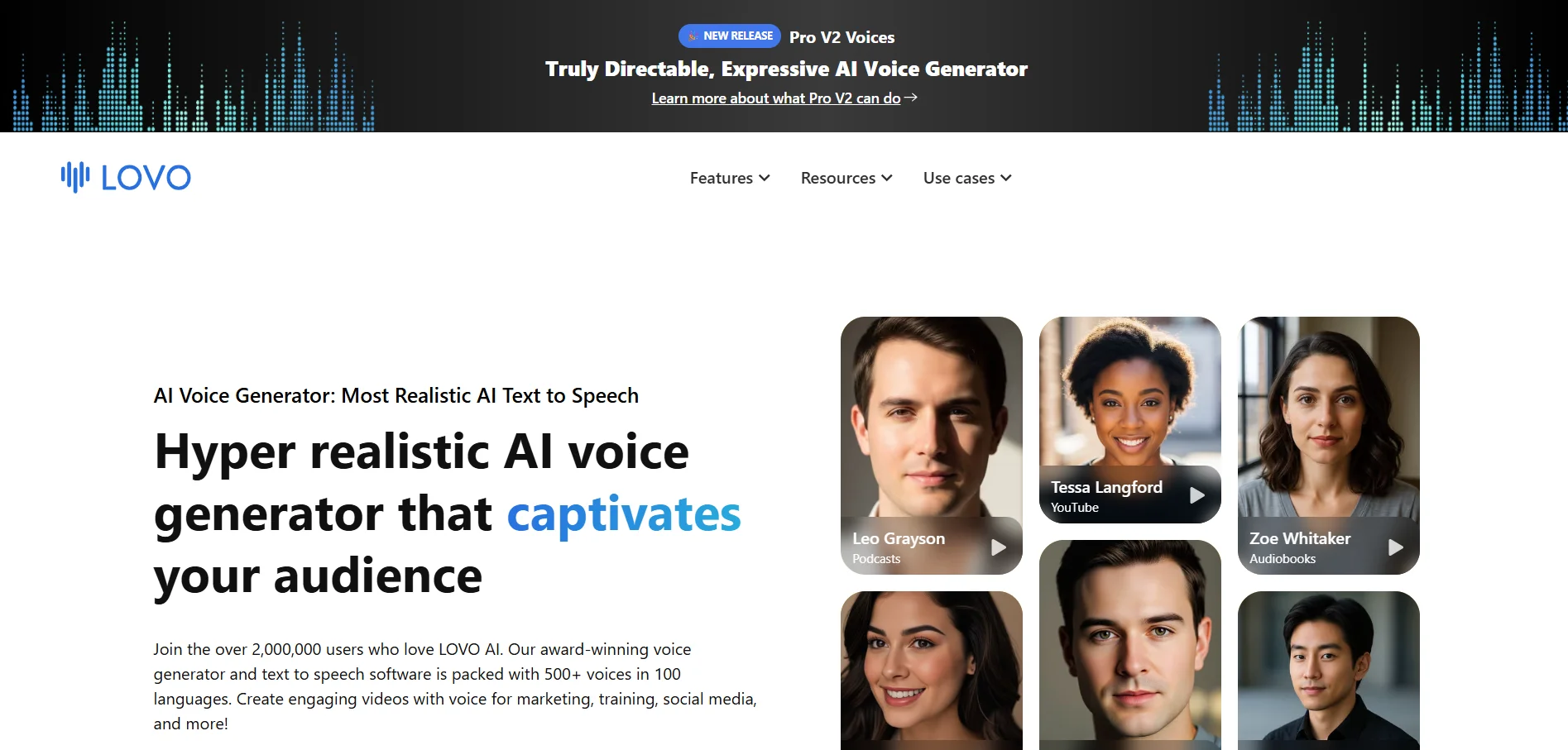
Lovo.ai, also known as Genny, combines text-to-speech with a built-in video editor, AI script writer, and voice cloning tools. It offers over 500 voices across 100+ languages, making it a solid all-in-one option for creators producing narrated videos, e-learning content, or podcasts without switching between multiple apps.
The platform’s Pro V2 voice technology adds emotional nuance that narrows the gap with premium competitors. All paid tiers include full commercial usage rights, while the free trial is generous enough to test voice quality on real projects before committing to a subscription.
Pros
- All-in-one voice and video suite
- 500+ voices, 100+ languages
- Emotional Pro V2 voice technology
- Generous 14-day trial
Cons
- No permanent full-featured free plan
- Free trial excludes commercial rights
- Pro+ tier is pricey for solo users
- Download limits on lower tiers
4. iSpeech
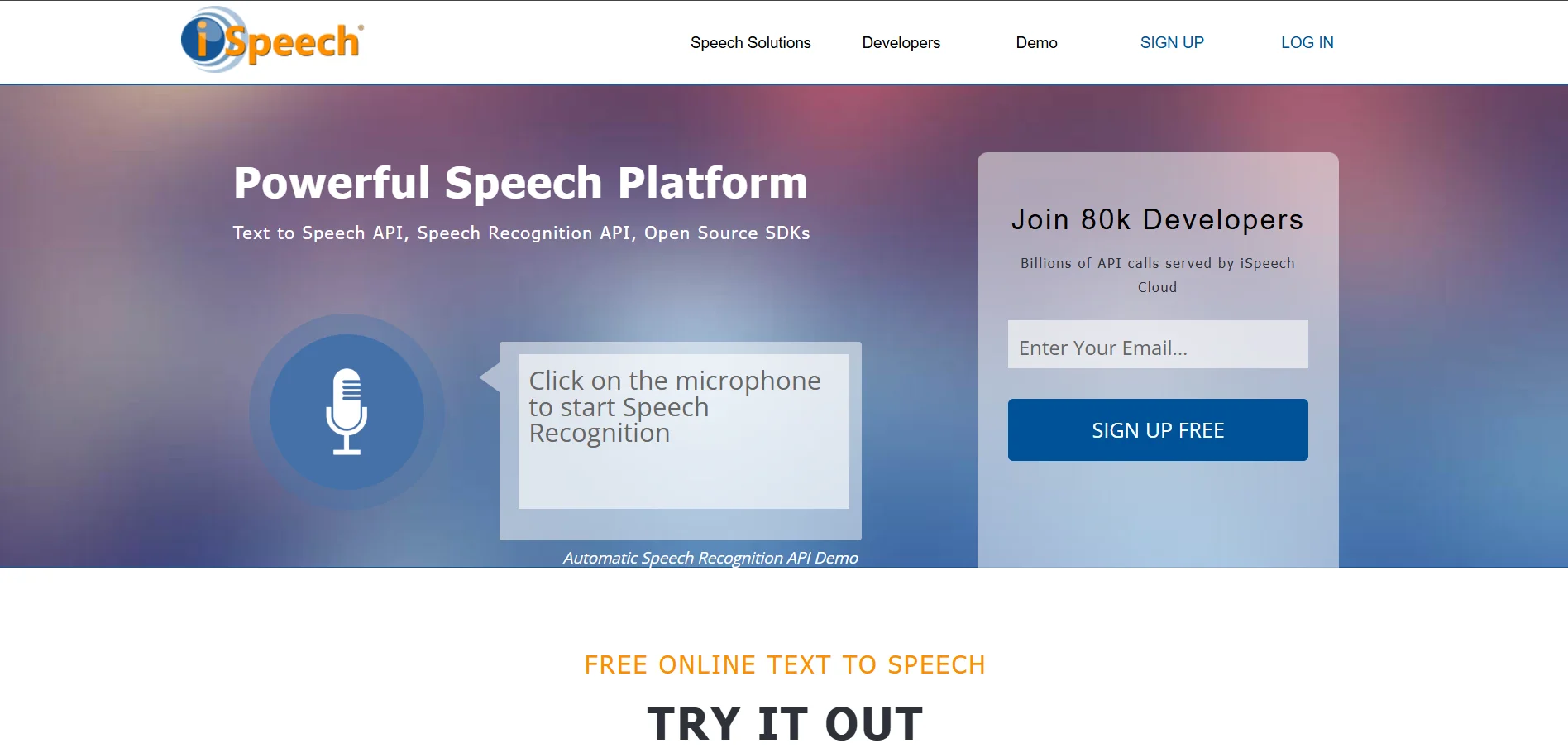
iSpeech is a long-standing text-to-speech and speech recognition provider aimed at both personal and developer use. It offers browser toolbars, mobile apps, and an API for converting text into natural-sounding speech, along with translation features supporting multiple languages for global accessibility needs.
Compared to newer AI voice platforms, iSpeech is considered more budget-friendly for basic conversions but lacks the advanced emotional expressiveness and voice cloning quality found in modern competitors. It remains a reasonable pick for simple, low-cost text-to-speech tasks rather than cinematic voiceover work.
Pros
- Very affordable entry pricing
- Long track record in the TTS space
- Simple, easy-to-use interface
- API access available
Cons
- Voice quality lags behind AI leaders
- Limited voice cloning capabilities
- Dated user interface
- No robust free trial for premium tiers
5. Fliki
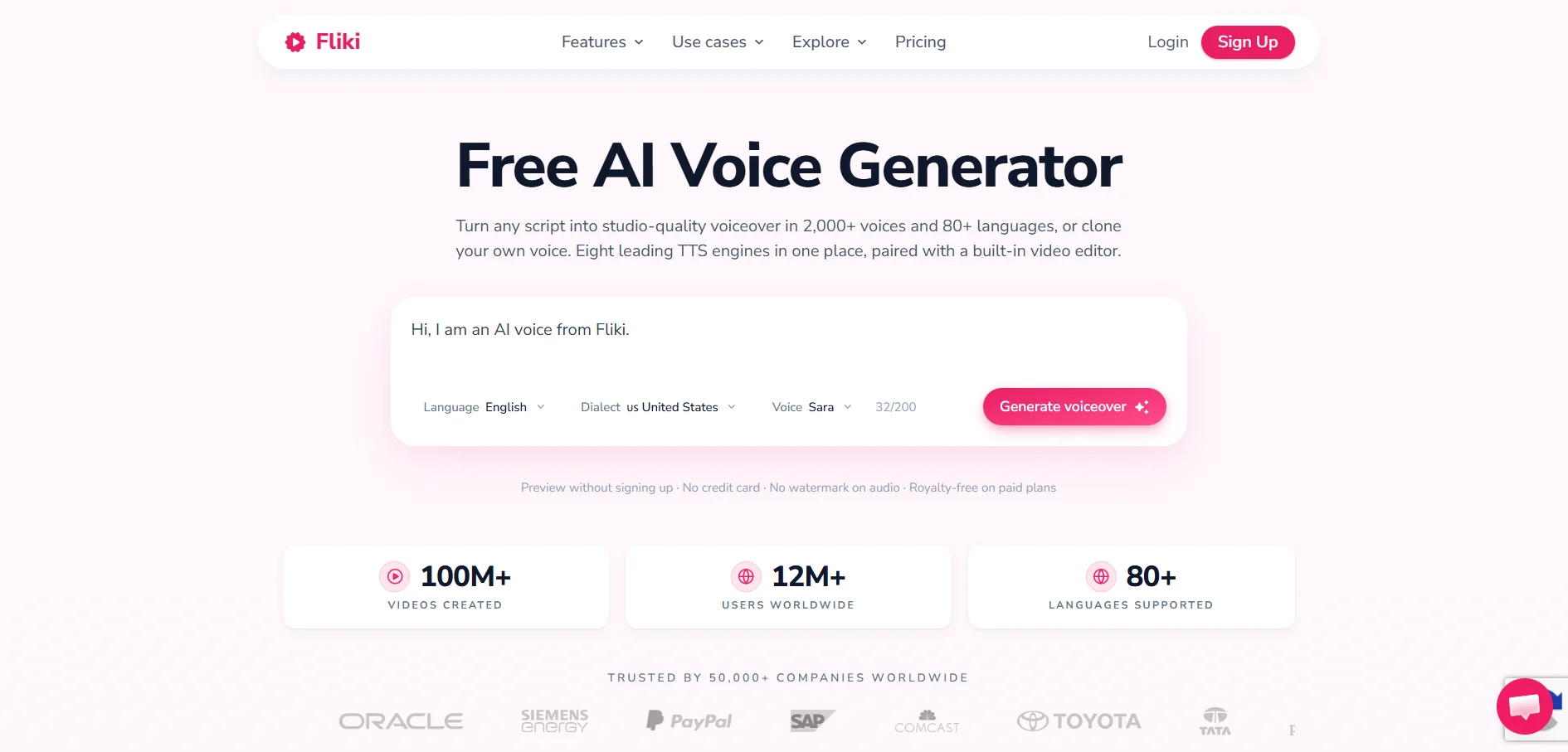
Fliki turns scripts into narrated videos by pairing AI voiceovers with stock footage, captions, and background music. With over 1,000 voices and support for many languages, it is popular among bloggers and marketers who want to repurpose written content into video without hiring voice actors or editors.
The free plan is useful for testing voice quality but too limited for regular publishing due to watermarks and the 5-minute cap. Standard and Premium plans unlock full commercial rights, higher resolution exports, and significantly larger monthly minute allowances for consistent content production.
Pros
- 1,000+ voices available
- Fast blog-to-video repurposing
- Free forever entry tier
- Large stock media library
Cons
- Free tier heavily watermarked
- Stock footage matching can miss context
- Premium tier is costly for solo creators
- Limited to short monthly minutes on free plan
6. Podcastle
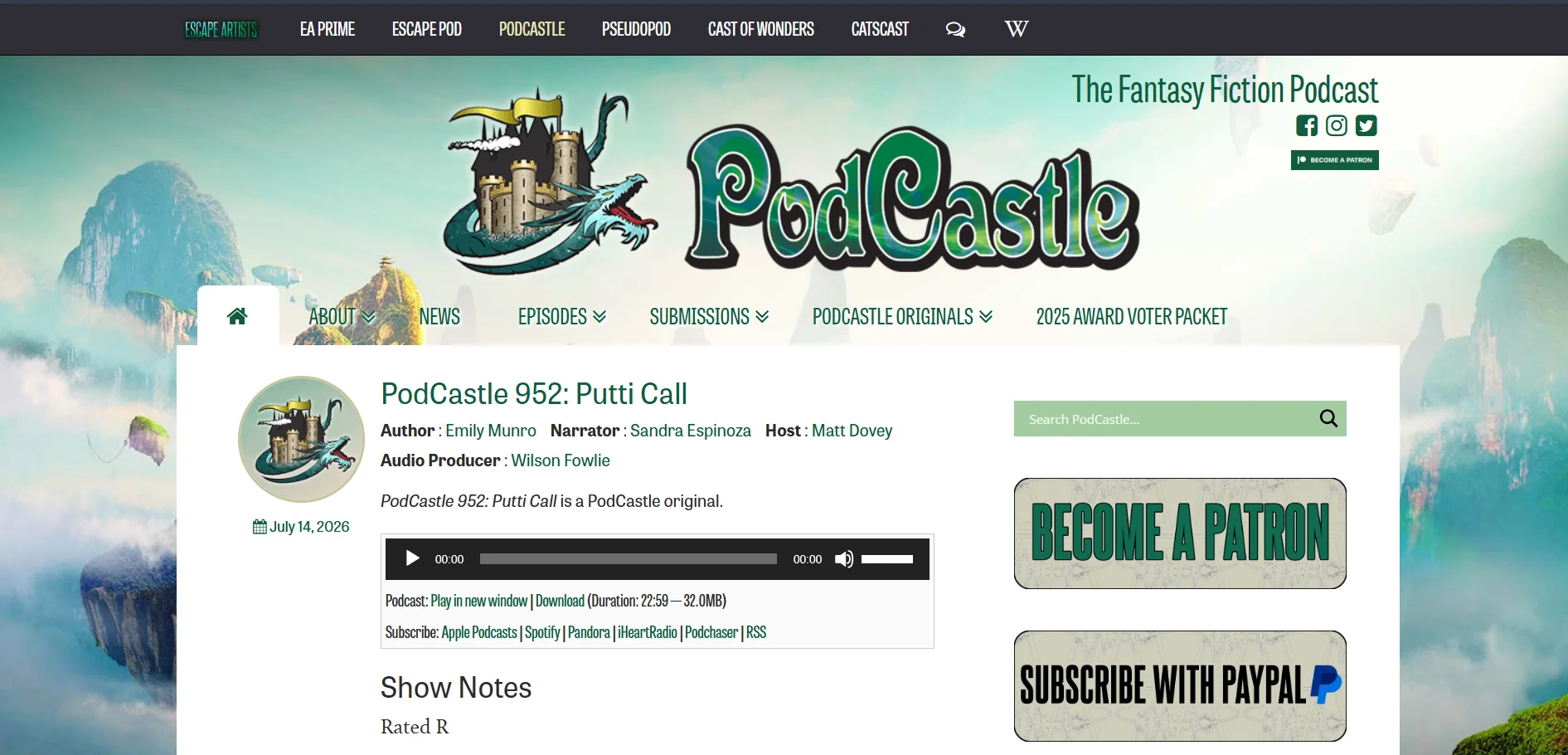
Podcastle is a browser-based recording and editing platform built for podcasters and video creators, combining remote multi-track recording with AI-powered noise removal, transcription, and text-to-speech voiceovers featuring over 1,000 voices for narration and character work.
Its Revoice voice cloning feature, available on paid plans, allows users to create a digital replica of their own voice for consistent narration. Podcastle stands out for bundling recording, editing, and TTS into one affordable subscription rather than requiring separate specialized tools.
Pros
- All-in-one recording and TTS platform
- Affordable Storyteller entry tier
- Supports up to 10 remote guests
- Built-in voice cloning (Revoice)
Cons
- Limited website customization
- No live broadcasting option
- Free plan video capped at 3 hours lifetime
- Video podcasting support is limited
7. Speechify
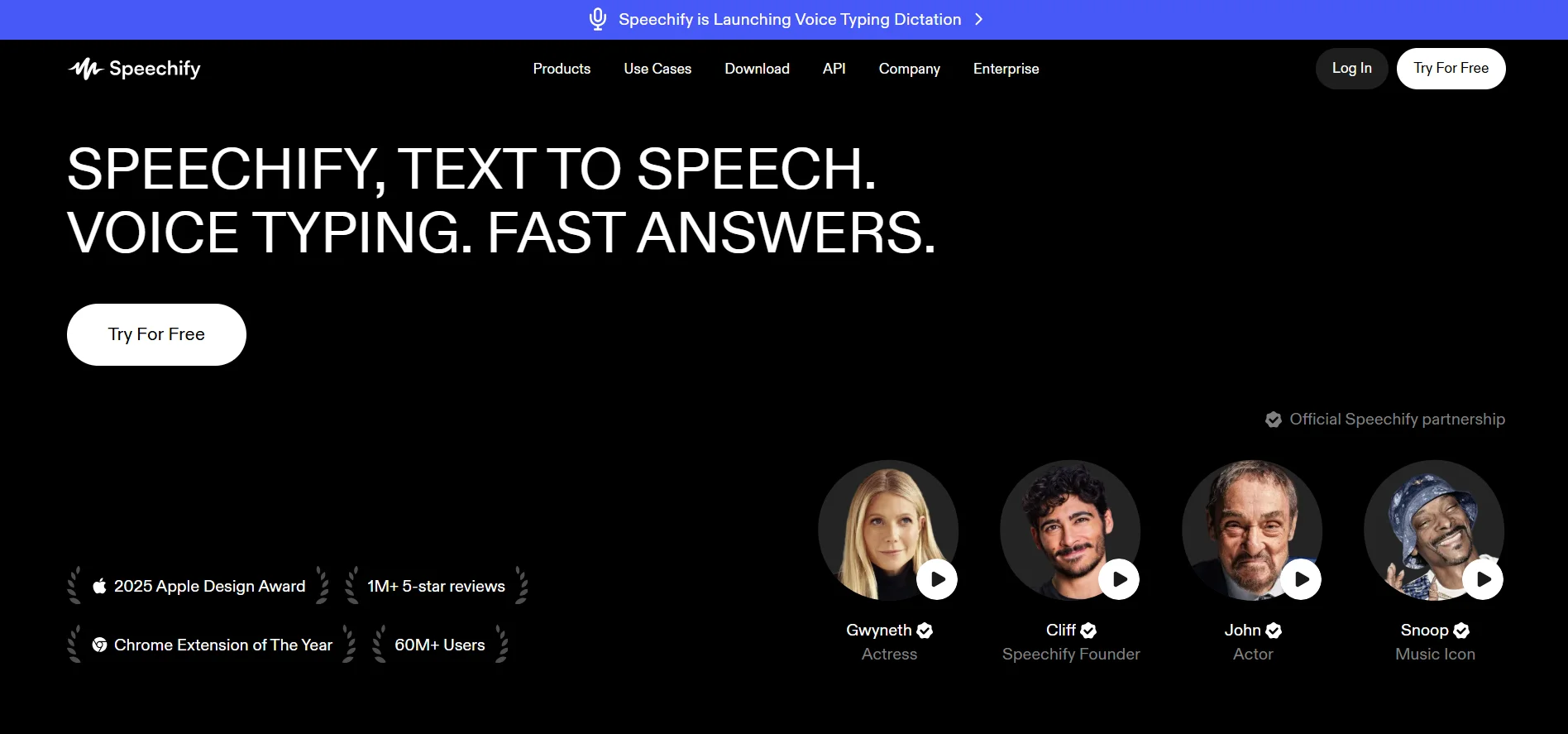
Speechify is best known as a text-to-speech reading tool that converts articles, PDFs, and books into natural audio for accessibility and productivity purposes. It also includes AI podcast creation, voice cloning, and a Studio suite for creators who want to produce polished voiceover content.
Premium unlocks over 200 voices, faster listening speeds up to 4.5x, offline downloads, and OCR scanning for physical documents. While its core strength is content consumption rather than professional voiceover production, the Studio tier makes it increasingly competitive for creators.
Pros
- 200+ natural-sounding voices
- Excellent for reading and accessibility
- Listening speeds up to 4.5x
- Free plan available, no card required
Cons
- Less suited for professional voiceover work
- Multiple overlapping pricing tiers
- Free plan has limited voice selection
- Per-seat costs rise quickly for teams
8. Supertone Play
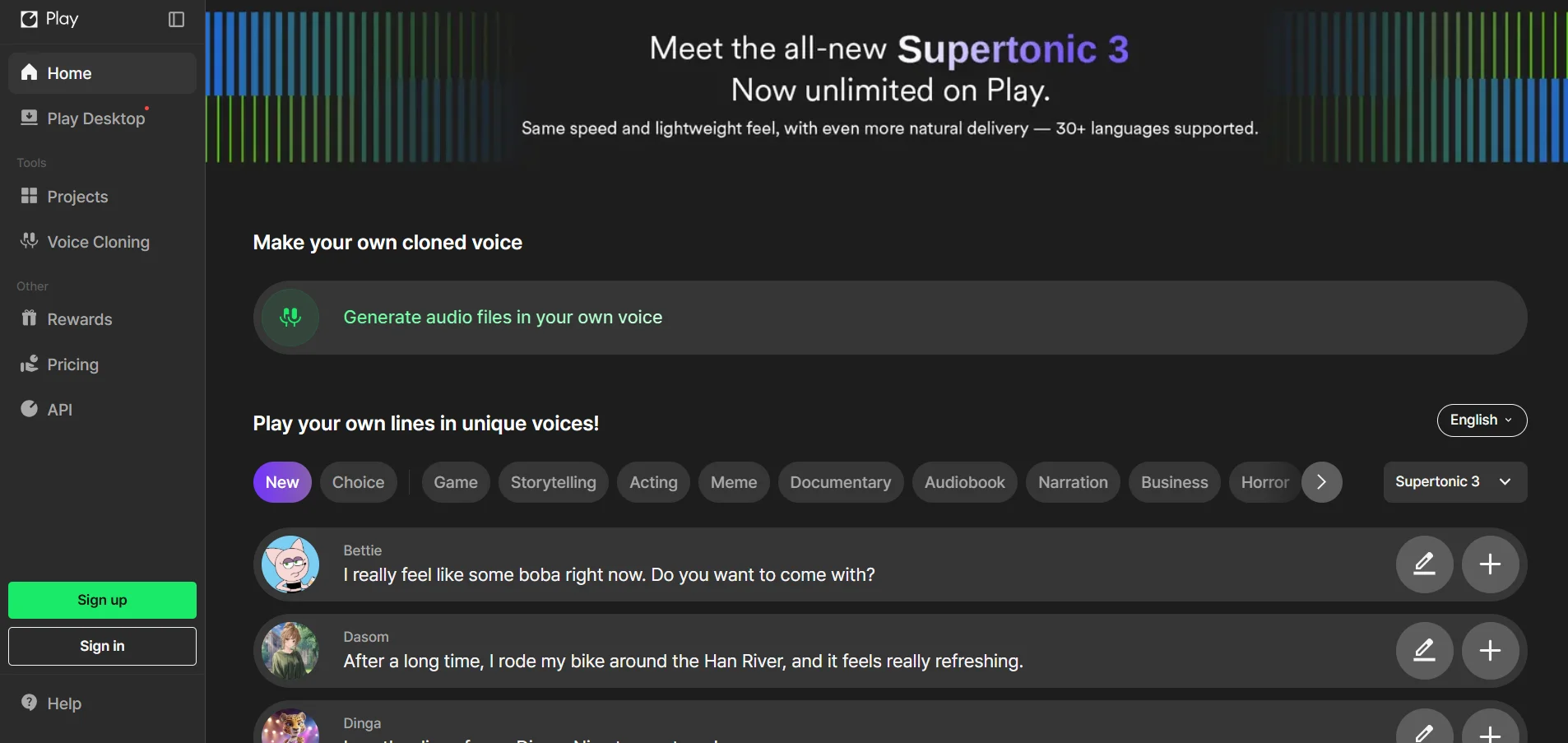
Supertone Play focuses on expressive, emotionally rich text-to-speech synthesis with strong multilingual voice cloning, supporting Korean, Japanese, and English, with Spanish and Chinese expansion planned. Users can clone their own voice using just 10 seconds of sample audio for personalized narration.
Its credit-based system scales from a free tier suitable for light testing up to a Pro plan built for professional creators needing large volumes of generated speech. The API is also available separately, giving developers flexible integration options at usage-based rates.
Pros
- Strong emotional voice expressiveness
- Fast voice cloning from 10-second sample
- Generous 2-week free trial
- Affordable Starter and Creator tiers
Cons
- Limited language support currently
- Credits do not roll over monthly
- Attribution required on free plan
- Smaller voice library than major rivals
9. Murf.AI
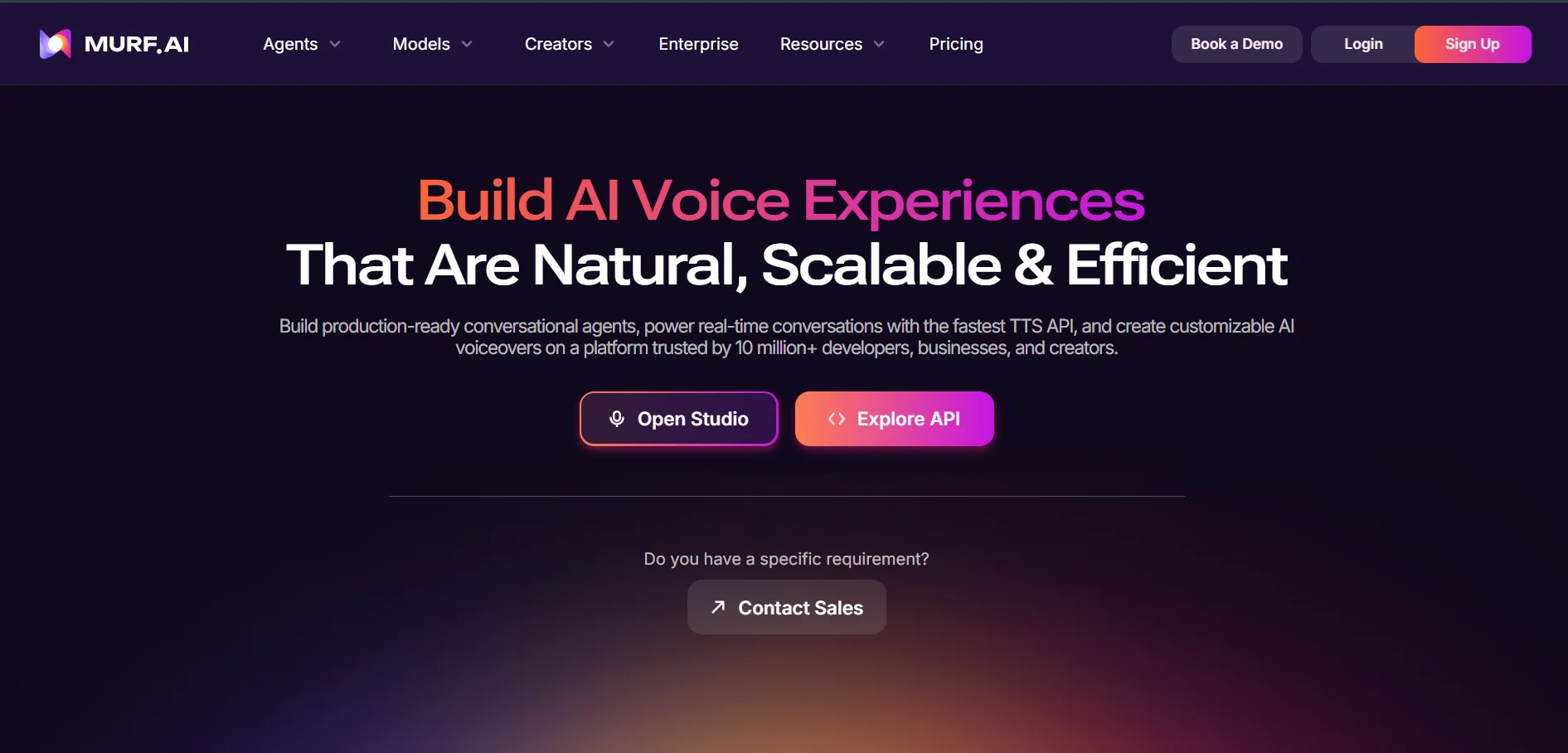
Murf.AI is a studio-style voiceover platform offering 200+ AI voices, script-to-speech editing, and a built-in timeline for syncing narration with video or slides. It is popular among corporate trainers, marketers, and presenters who need professional voiceovers without hiring talent.
The Creator plan unlocks commercial rights and downloads, while Business adds collaboration tools and higher annual voice-generation quotas. Its PowerPoint integration and translation add-ons make it especially attractive for business presentation workflows, though the free tier cannot export any audio.
Pros
- 200+ professional-grade voices
- PowerPoint and presentation integrations
- Clear tiered pricing, no overage fees
- Strong for corporate and training content
Cons
- Free plan cannot export audio
- Voice generation minutes are yearly capped
- Voice cloning locked behind Enterprise
- Business tier pricing is steep for solo users
10. PlayHT
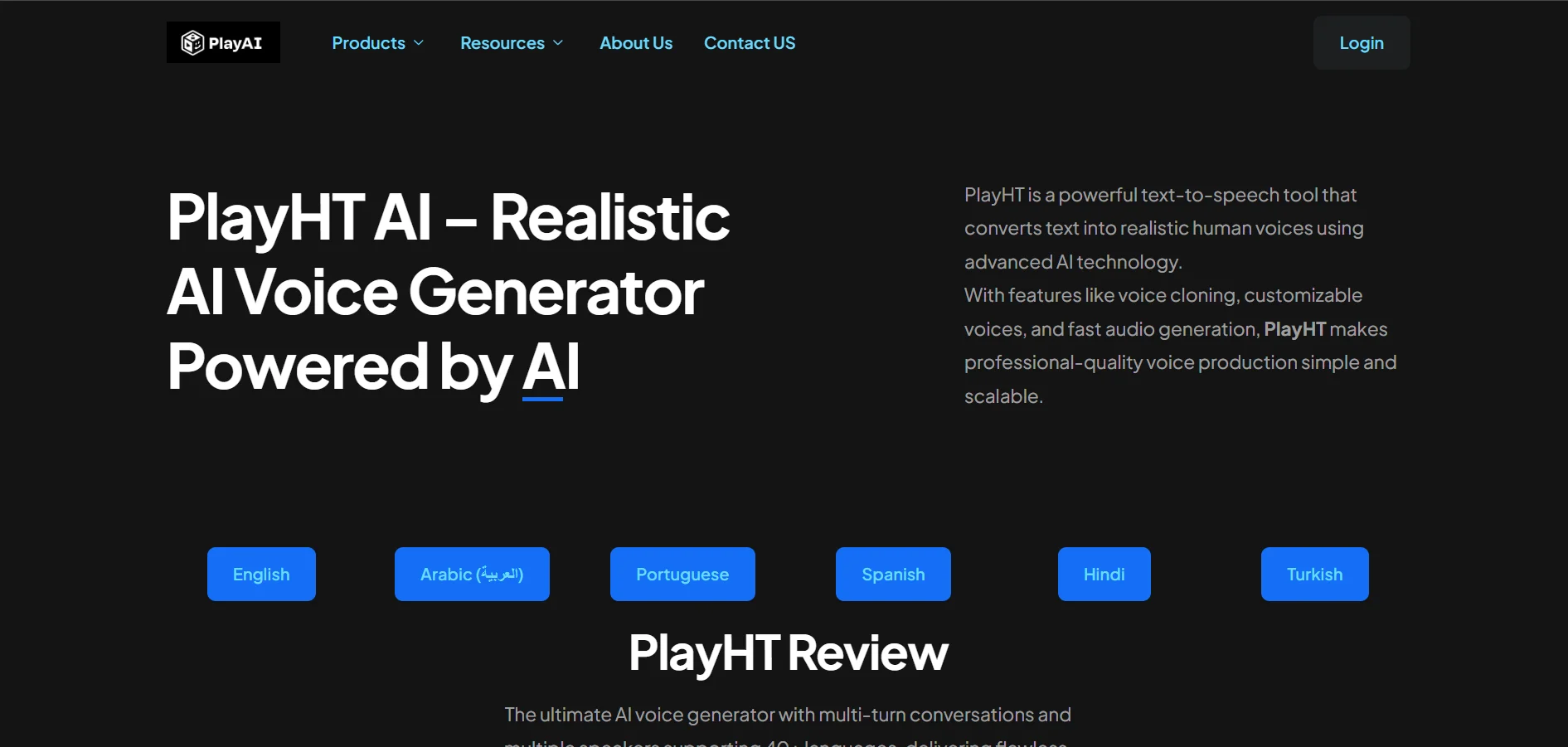
PlayHT is a developer- and creator-friendly text-to-speech platform offering over 900 voices across 140+ languages and accents. It emphasizes emotional expressiveness, cross-language voice cloning, and multi-voice conversation generation, making it a flexible option for audiobooks, e-learning, and dubbing projects.
The Free plan includes one instant voice clone but excludes commercial rights, while the Creator plan unlocks significantly more characters and cloning slots. Credits roll over on paid plans and never expire, which gives regular users more flexibility than strict monthly reset systems used by some competitors.
Pros
- 900+ voices, 140+ languages
- Credits roll over, never expire
- Strong voice cloning options
- Permanent free tier, no credit card
Cons
- Free plan lacks commercial rights
- Pricing reported inconsistently across sources
- Character overage fees on paid plans
- No time-limited premium trial
Comparison Table
| Alternative | Description |
|---|---|
| HeyGen | AI avatar video platform with voice cloning, translation, and multilingual dubbing for creators and marketers. |
| Minimax | Developer-focused TTS and voice cloning API with a consumer audio app, known for low-cost, high-quality synthesis. |
| Lovo.ai | All-in-one voice, video editing, and script writing suite with 500+ voices and emotional Pro V2 technology. |
| iSpeech | Budget-friendly, long-established text-to-speech and translation service for simple personal and developer needs. |
| Fliki | Script-to-video generator combining AI voiceovers with stock footage for fast blog-to-video repurposing. |
| Podcastle | Browser-based podcast and video recording platform with AI editing, transcription, and voice cloning built in. |
| Speechify | Text-to-speech reading and productivity tool with a Studio suite for AI podcasts and voiceover creation. |
| Supertone Play | Expressive multilingual TTS and rapid voice cloning platform aimed at emotionally rich content creation. |
| Murf.AI | Studio-style voiceover editor with 200+ voices, presentation integrations, and strong corporate use cases. |
| PlayHT | Developer-friendly TTS platform with 900+ voices, cross-language cloning, and rolling, non-expiring credits. |
Conclusion
Choosing the right Cartesia alternative ultimately depends on your specific needs, whether that is avatar-driven video, budget-friendly text-to-speech, podcast production, or developer-grade API access. Each platform covered here brings distinct strengths in voice quality, pricing flexibility, and feature depth.
Before committing to a paid subscription, take advantage of the free trials and free tiers listed above to test voice quality on your own content. Pricing and features change frequently, so always verify current plans directly on each provider’s official website before making a final decision.


