

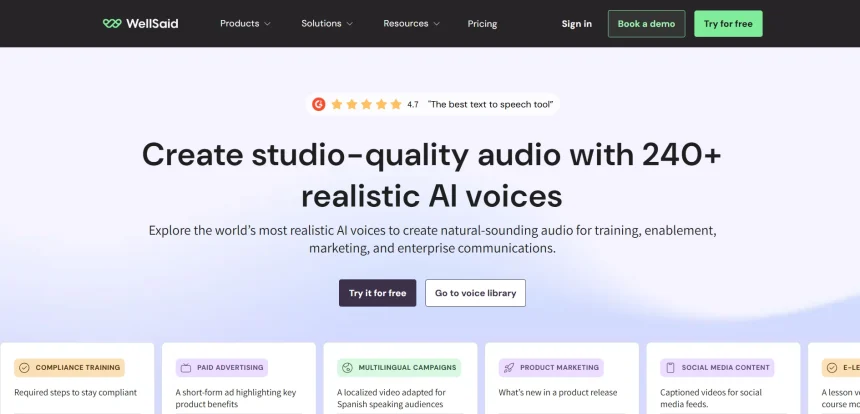
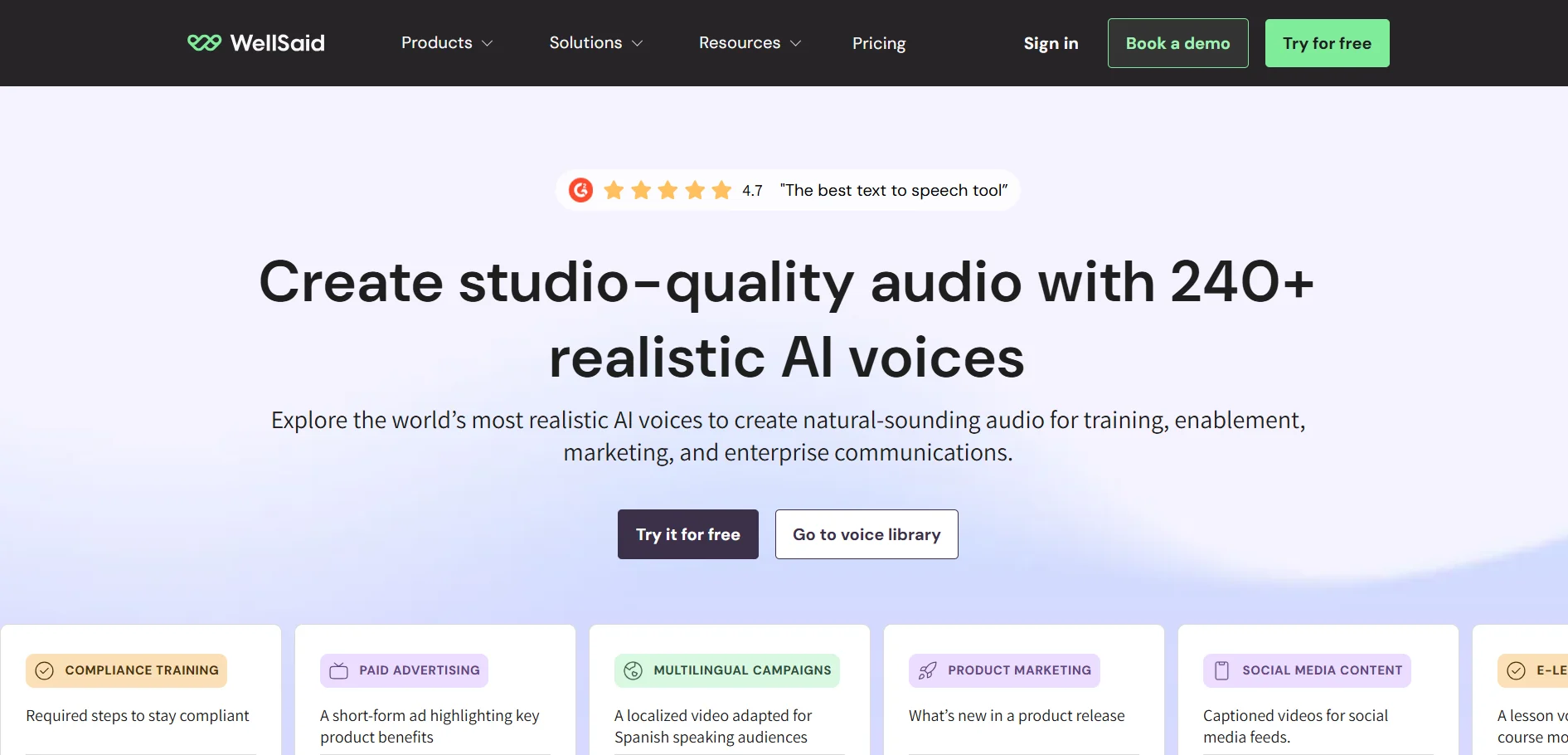
WellSaid Labs built a strong reputation for studio-quality AI voices aimed at corporate training, marketing, and e-learning content. But its enterprise-first pricing, limited free access, and narrower feature set compared to newer platforms have pushed many creators, developers, and businesses to look elsewhere. Below is a detailed roundup of 13 WellSaid Labs Alternatives, covering their free trials, pricing plans, strengths, and weaknesses, so you can pick the platform that fits your workflow and budget.
Speechify
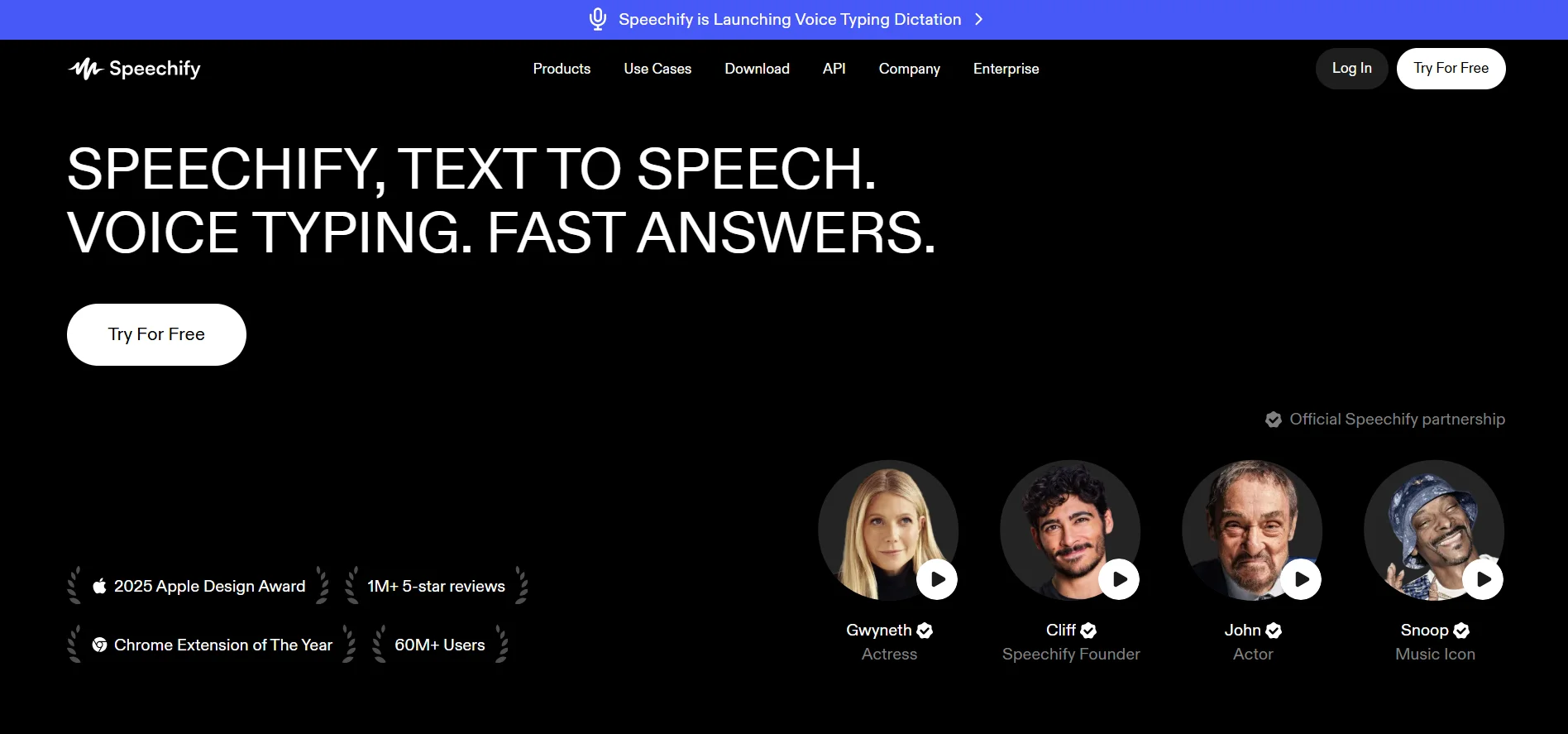
✔ Free Plan Available
Speechify offers a genuinely usable free tier alongside its paid plans, making it easy to test the platform before committing financially. The free plan includes basic text-to-speech and standard AI voices, letting new users evaluate voice quality, reading speed, and interface before deciding whether to upgrade to Premium.
Pricing (from Speechify’s official site):
- Free – $0/month, basic TTS and standard voices
- Premium – $11.58/month billed annually (~$139/year) or $29/month billed monthly
- Audiobooks – $9.99–$14.99/month (separate product)
- Studio – Free tier, Starter $19/user/month, Creator $49/user/month
Speechify is best known for reading documents, PDFs, and web pages aloud in natural voices, making it popular with students and professionals who prefer listening over reading. Its Premium plan unlocks over 200 voices, 60-plus languages, and playback speeds up to 4.5x, while its separate Studio product caters to creators who need voiceover and cloning tools for content production.
Pros
- Rare, genuinely usable free plan
- Very high playback speeds for consumption
- OCR support for scanned documents
Cons
- Monthly billing costs nearly 2.5x the annual rate
- Studio and Audiobooks are billed as separate products
- Voice cloning locked behind higher Studio tiers
MiniMax Audio
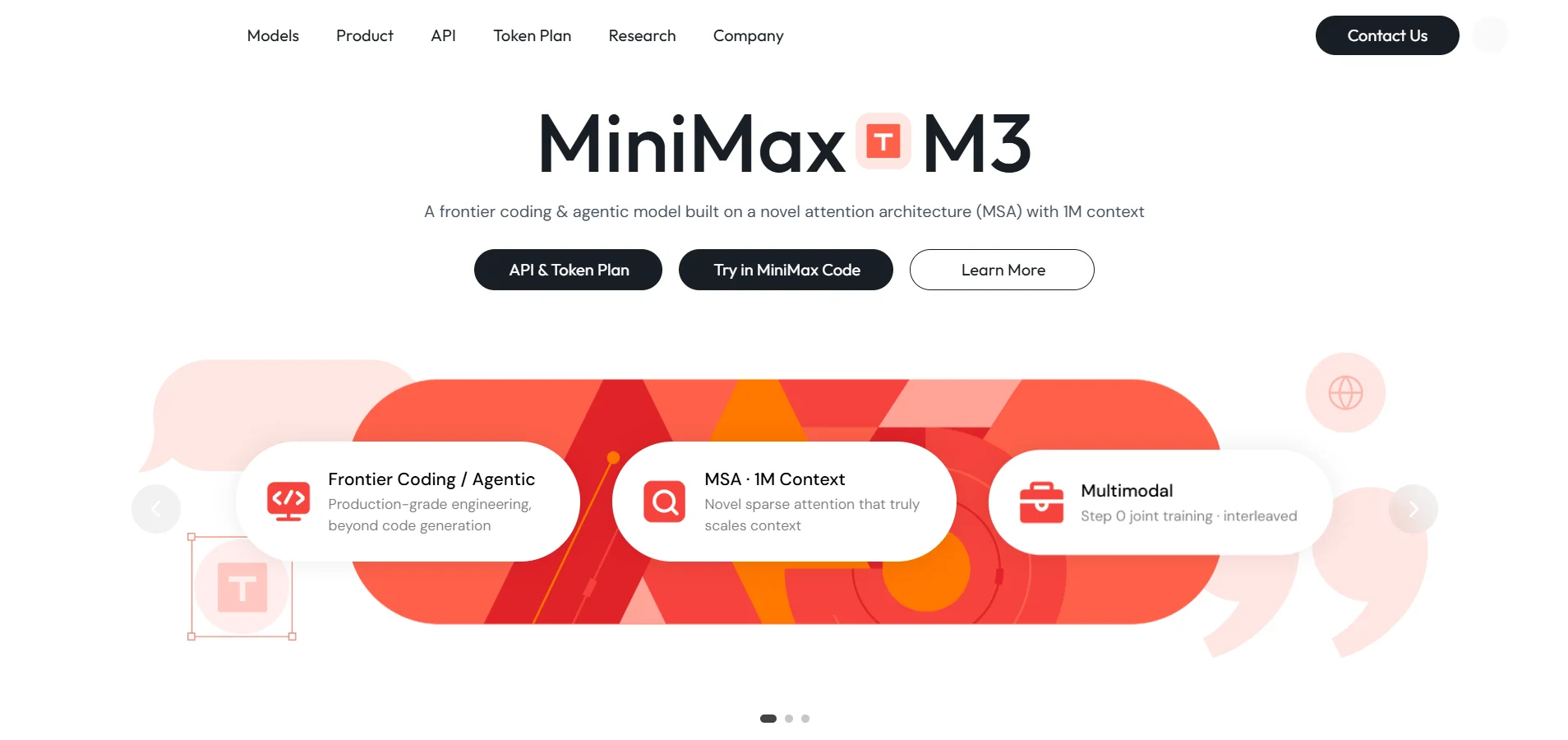
✔ Free Daily Credits
MiniMax Audio gives new users free daily credits upon signup, which is enough for small-scale testing before moving to paid usage. This makes it approachable for developers and podcasters who want to sample the speech-2.8 model family’s quality without committing to a subscription immediately.
Pricing (from MiniMax’s official site):
- Free tier – 4,000 daily credits for new users
- speech-2.8-turbo – $60 per million characters
- speech-2.8-hd – $100 per million characters
- Rapid Voice Cloning – $1.50/voice, Voice Design – $3.00/voice
- Business tier – $999/month (20M characters, 800 voice slots)
MiniMax Audio is a strong technical competitor to ElevenLabs and PlayHT, supporting 40 languages, seven emotional tones, and rapid voice cloning at a fraction of typical enterprise pricing. It’s built primarily for developers integrating TTS through an API rather than casual users looking for a simple dashboard experience.
Pros
- Competitive per-character API pricing
- Fast, affordable voice cloning at $1.50/voice
- Wide language and emotional tone support
Cons
- No persistent free tier, only trial credits
- Pricing structure is developer-centric, not beginner-friendly
- Business tier is expensive for smaller teams
KikiVoice
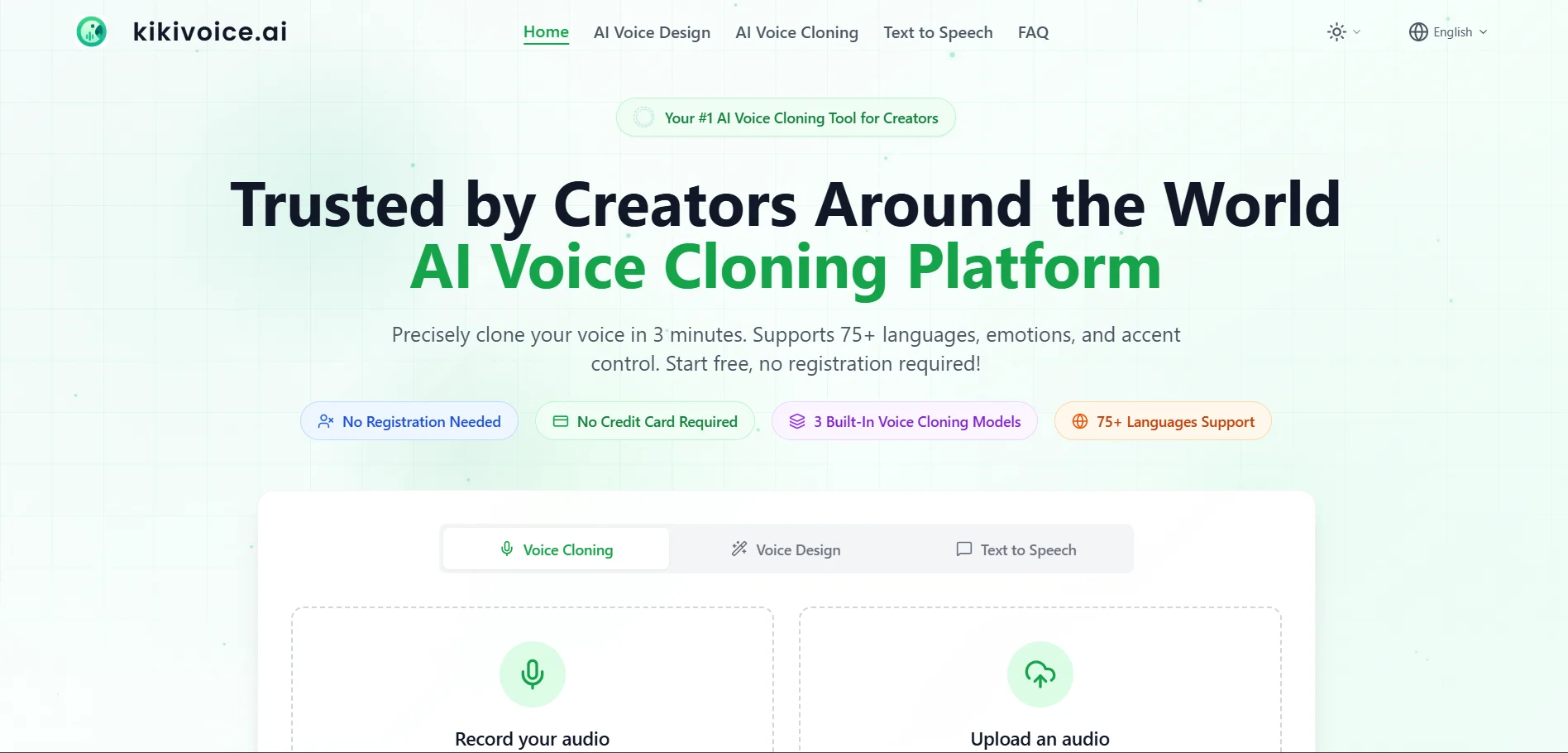
✘ Limited Public Trial Info
KikiVoice is a smaller, emerging player in the AI voice space that focuses on simplified voice generation for casual creators and small businesses. Detailed trial terms are not widely published, so it’s worth checking their official site directly for the most current free-access details before signing up.
Pricing:
- Entry-level plans are typically positioned as budget-friendly compared to major TTS platforms
- Higher tiers unlock additional voices and export options
- Exact figures should be confirmed on KikiVoice’s official pricing page, as they are not consistently published across sources
KikiVoice positions itself as a lightweight alternative for users who don’t need the depth of enterprise platforms like WellSaid Labs. It’s suited to hobbyists, small content creators, and anyone experimenting with AI narration on a limited budget rather than large production teams.
Pros
- Simple, beginner-friendly interface
- Lower cost of entry for casual users
- Good fit for small-scale projects
Cons
- Limited brand recognition and public reviews
- Fewer advanced features than established competitors
- Pricing transparency is inconsistent across sources
HeyGen
✔ Free Plan (3 videos/month)
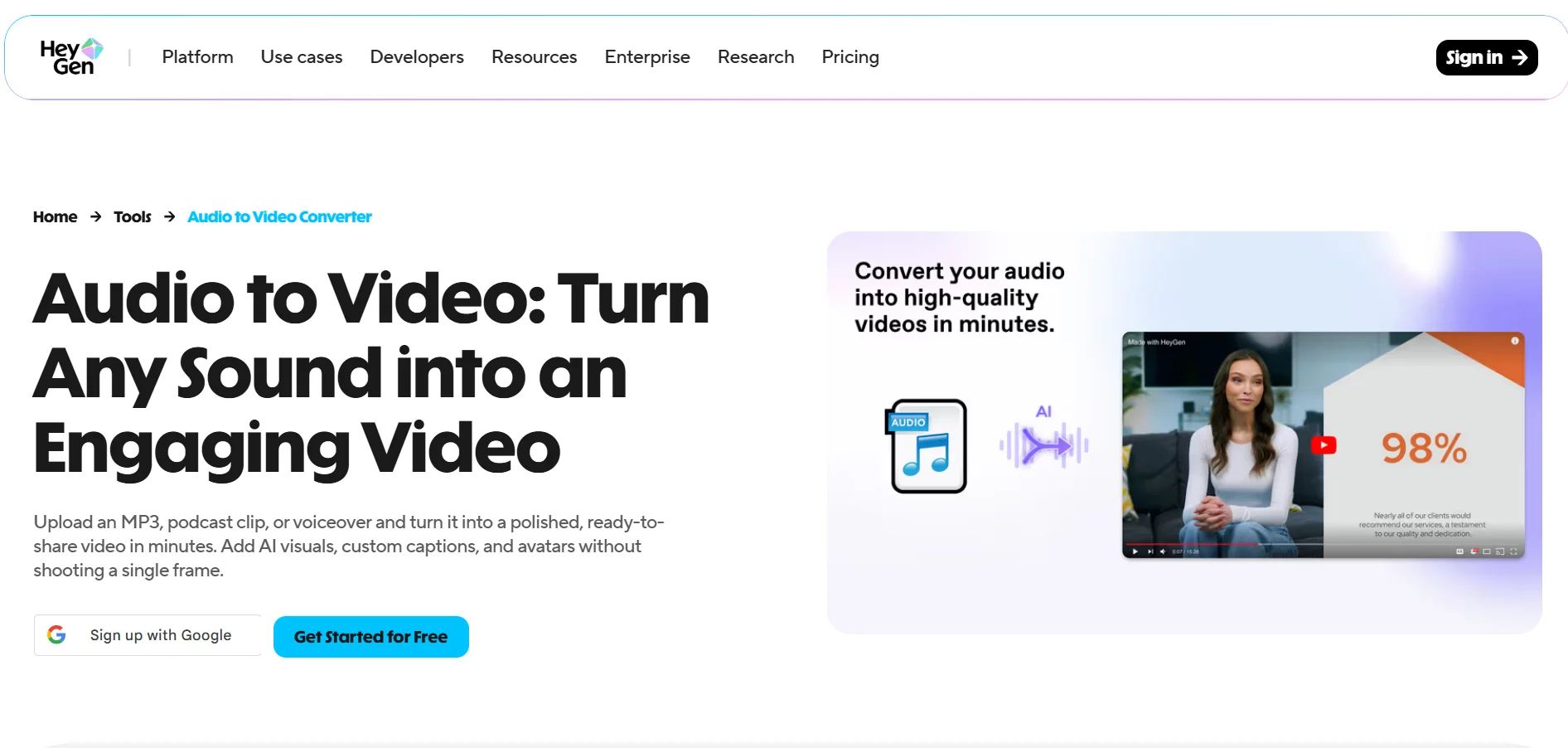
HeyGen offers a free plan that lets users generate up to three videos per month with watermarks, giving a real taste of its AI avatar and voice technology before paying. This no-credit-card trial is useful for testing avatar realism and voice quality on actual footage rather than demo samples.
Pricing (from HeyGen’s official site):
- Free – $0/month, 3 videos, 720p, watermarked
- Creator – $29/month ($24/month billed annually)
- Pro – $49–$99/month depending on credit tier
- Business – $149/month + $20/seat/month
- Enterprise – Custom pricing
HeyGen combines AI avatars with natural voice synthesis, making it popular for training videos, marketing content, and multilingual dubbing. Its credit-based system means premium avatar engines consume credits much faster than basic ones, so real-world monthly costs often exceed the advertised sticker price for heavy users.
Pros
- Realistic AI avatars paired with voice cloning
- Supports 175+ languages for dubbing
- Genuine free tier with no credit card required
Cons
- Credit system makes true cost unpredictable
- Premium avatar engines burn credits up to 7x faster
- Extra seats and credit packs add up quickly
Resemble.ai
✔ Flex Plan Starts at $0
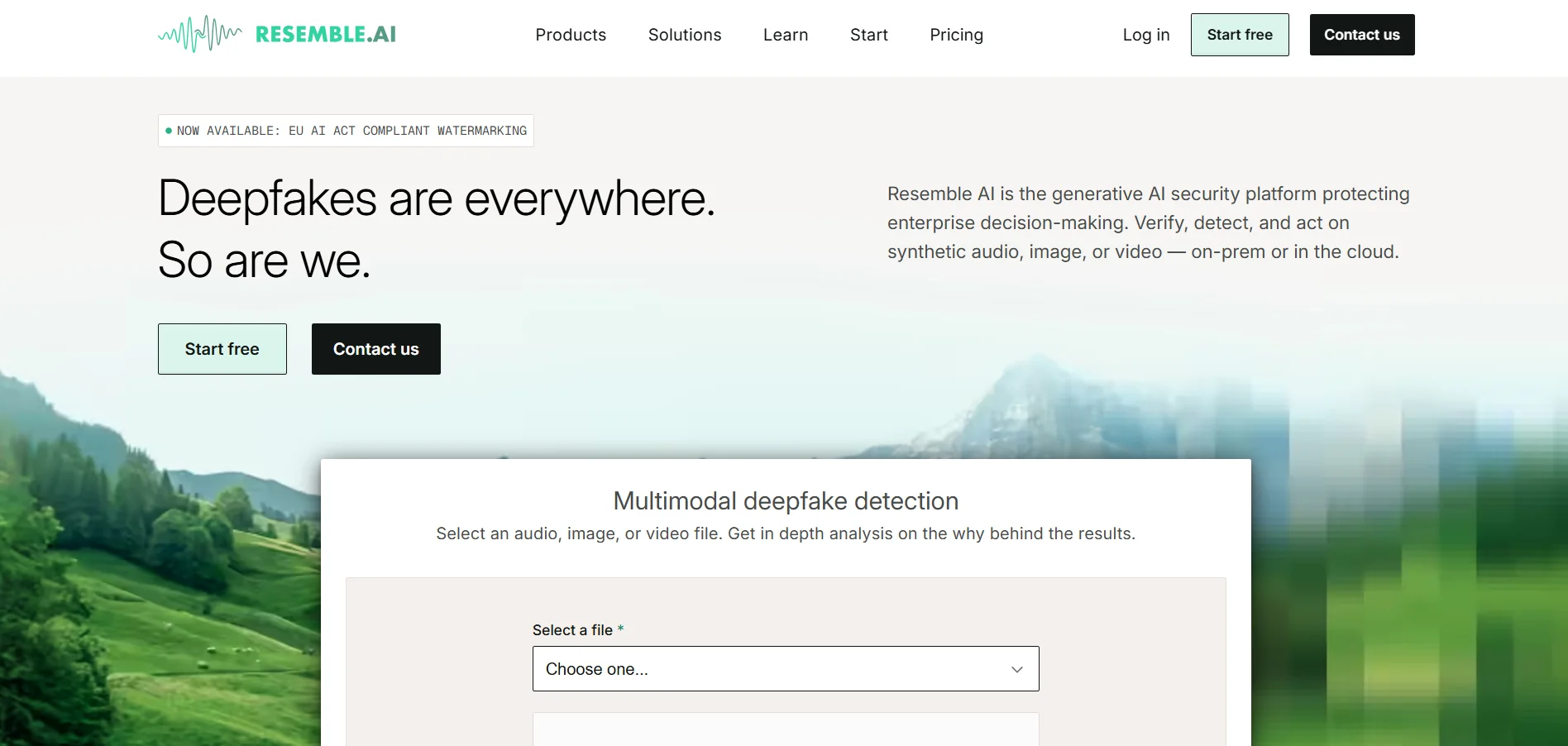
Resemble.ai’s Flex plan starts at $0 with no minimum commitment, letting users pay only for what they generate rather than committing to a subscription upfront. This pay-per-use structure functions as a practical trial since there’s no forced monthly fee before you start creating audio.
Pricing (from Resemble.ai’s official site):
- Flex (Pay-as-you-go) – $0.0005/second for text-to-speech
- Voice Agents – $0.001/second
- Deepfake Detection (audio) – $0.001/second
- Team Seats – $20/month per user (add-on)
- Enterprise – Custom quote, up to 80% volume discounts
Resemble.ai stands out for its integrated deepfake detection and PerTh audio watermarking, making it attractive to security-conscious organizations rather than just casual voiceover users. It has moved away from flat consumer subscriptions toward a consumption-based model, which rewards lighter usage but can become costly at high volumes.
Pros
- Pay-per-use pricing with no forced subscription
- Built-in deepfake detection and watermarking
- Credits never expire on the Flex plan
Cons
- No traditional free tier or flat monthly plan
- Costs can scale unpredictably at high volume
- Team seats and voice clones are separate add-on fees
Noiz.ai
✘ Limited Public Trial Info
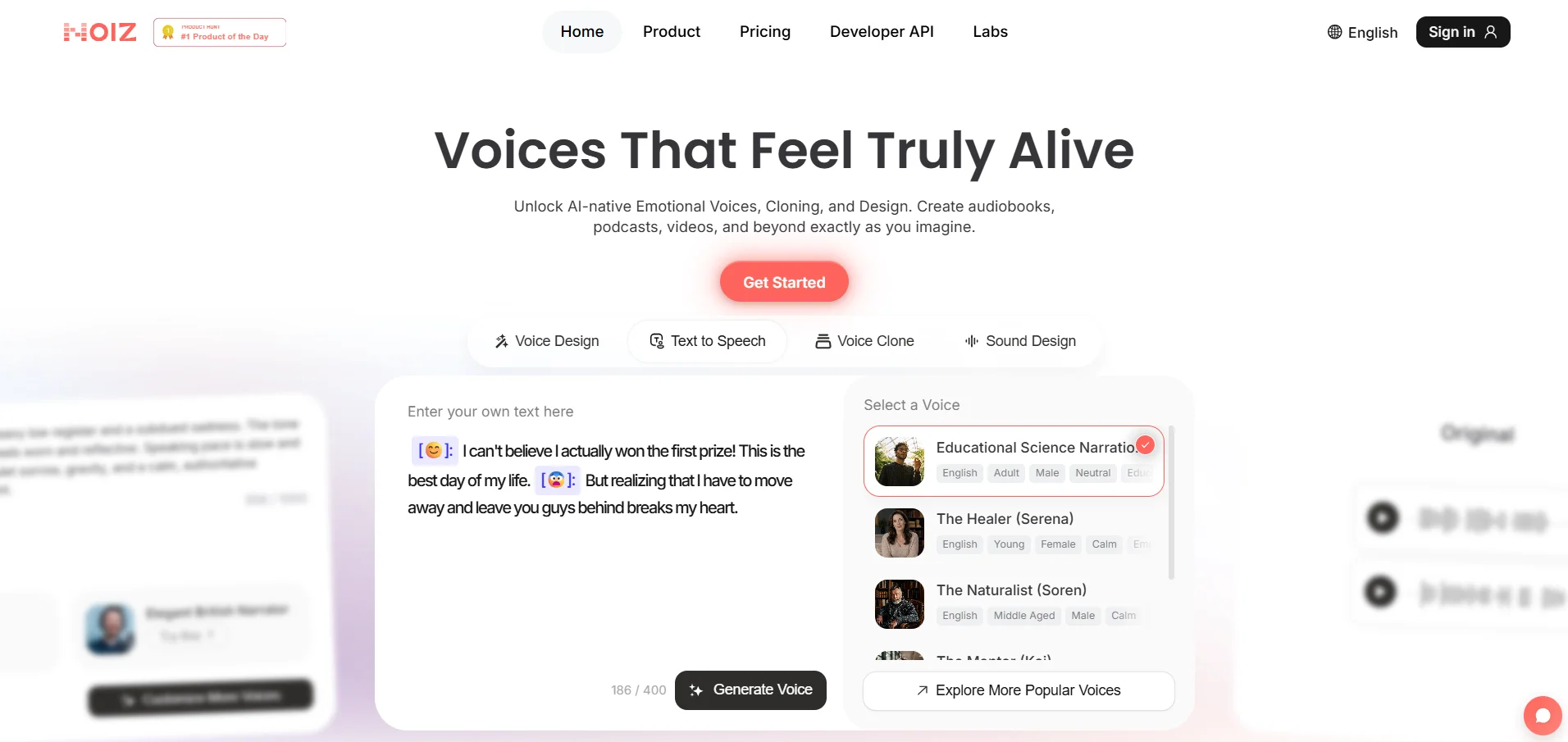
Noiz.ai is a lesser-documented AI voice tool, and specific trial terms aren’t consistently published across independent review sites. Prospective users should verify current free-trial availability directly on Noiz.ai’s official pricing page before assuming any particular offer applies.
Pricing:
- Entry plans are generally positioned for individual creators and small teams
- Higher tiers typically unlock more voice minutes and commercial licensing
- Confirm exact tier pricing on the official Noiz.ai website, as third-party listings vary
Noiz.ai targets creators looking for straightforward voice generation without the complexity of enterprise dashboards. It’s a reasonable option for smaller projects, though it lacks the extensive documentation, reviews, and market presence of more established platforms on this list.
Pros
- Straightforward, uncomplicated interface
- Positioned as a budget-conscious option
- Reasonable fit for smaller, independent projects
Cons
- Sparse independent reviews and documentation
- Pricing details are not consistently public
- Limited advanced feature set compared to major competitors
BookFab
✘ Limited Public Trial Info
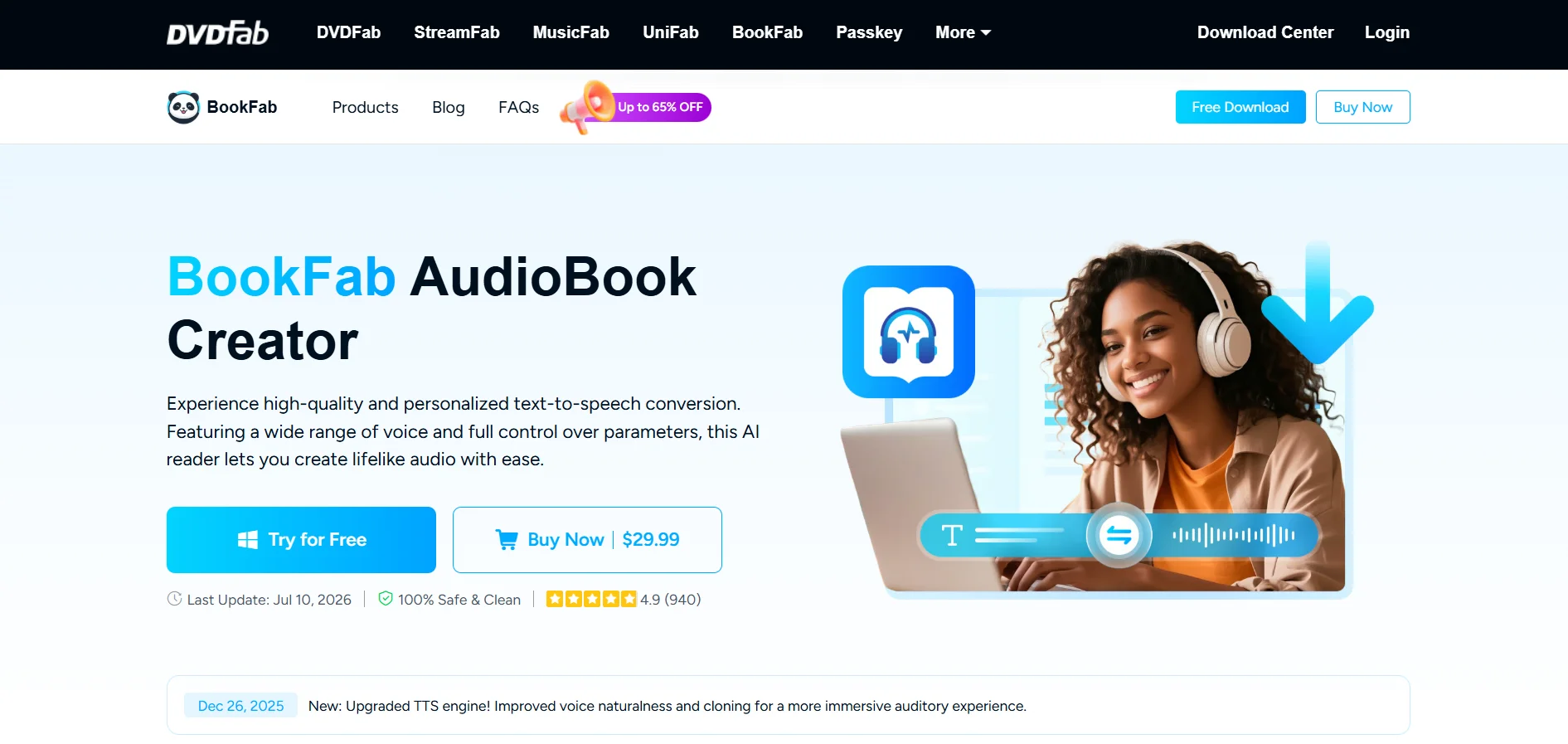
BookFab focuses on converting written content, particularly books and long-form text, into narrated audio. Trial availability isn’t uniformly documented across sources, so checking BookFab’s own site is the most reliable way to confirm whether a free tier or trial currently exists.
Pricing:
- Plans are generally structured around word or character volume for audiobook-style narration
- Higher tiers typically add more voices and longer narration limits
- Exact current pricing should be verified on BookFab’s official pricing page
BookFab is best suited to authors, publishers, and content creators who need long-form narration rather than short marketing clips. Its niche focus on book-length content sets it apart from more general-purpose TTS tools, though this specialization also limits its usefulness outside that specific use case.
Pros
- Purpose-built for long-form narration
- Useful niche fit for authors and publishers
- Simplifies the audiobook production workflow
Cons
- Narrow focus limits general content use
- Less brand recognition than major TTS platforms
- Pricing and trial details are not consistently published
Voice.ai
✔ Free Plan Available
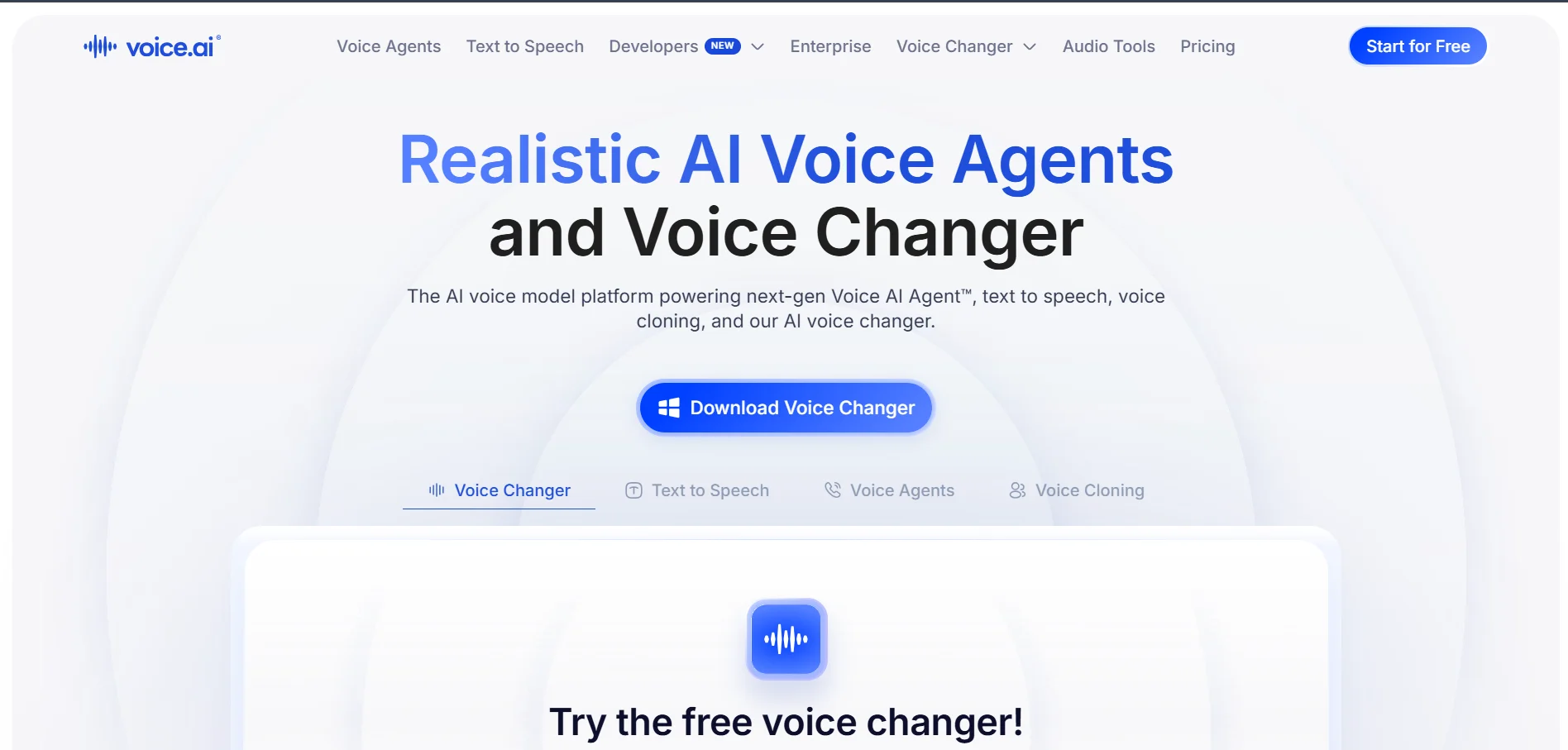
Voice.ai offers a free tier as part of its seven-tier pricing structure, giving users a way to test real-time voice changing and basic TTS features before subscribing. The free plan is best suited to casual use, since credit limits restrict how much content you can generate before hitting a paywall.
Pricing (from Voice.ai’s official site):
- Free – $0/month, limited credits
- Starter, Launch, Core, Scale – $5 to roughly $99/month, credit-based
- Business – Higher-volume tier, contact for pricing
- Enterprise – Custom pricing
Voice.ai is popular among gamers, streamers, and content creators who want real-time voice changing alongside TTS voiceover generation. Its credit system converts differently depending on the feature used, which means understanding true cost requires checking how many credits each specific action consumes before choosing a plan.
Pros
- Combines real-time voice changing with TTS
- Free plan available for casual testing
- Wide range of tiers for different budgets
Cons
- Credit conversion rates are confusing across features
- Requires a compatible GPU for real-time voice changing
- Overage rates aren’t always clearly disclosed
Gradium
✘ Limited Public Trial Info
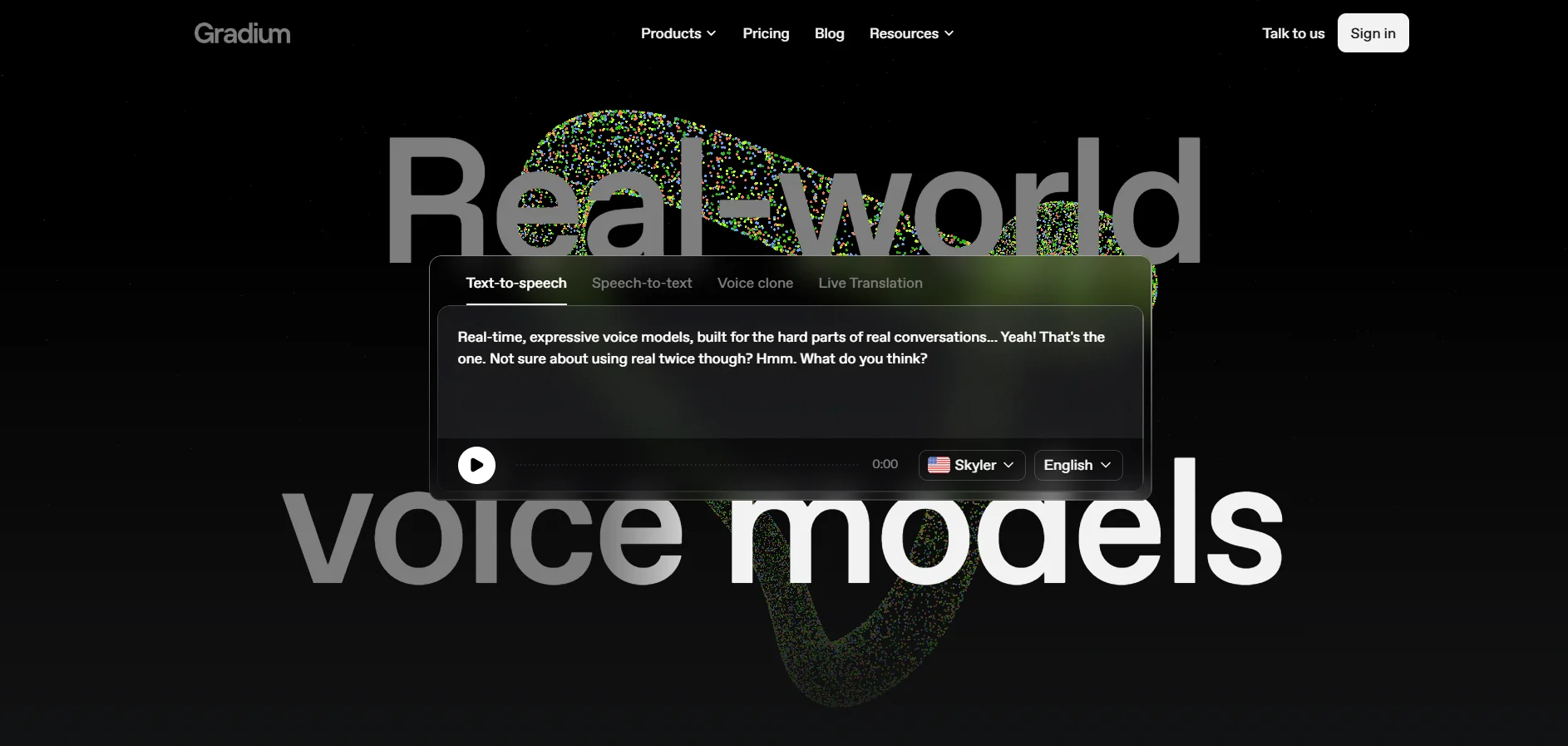
Gradium is a niche AI voice platform without extensively documented trial terms across major review aggregators. Anyone considering it should check the official Gradium website directly, since third-party pricing summaries are sparse and may not reflect the latest offerings.
Pricing:
- Entry plans appear positioned competitively against mainstream TTS tools
- Tiered pricing likely scales with usage volume and voice options
- Confirm exact current rates on Gradium’s official pricing page
Gradium serves users looking for an alternative voice platform outside the more saturated major brands. Given its limited public track record, it’s best approached cautiously, with users testing output quality thoroughly before committing to a longer-term subscription or larger-volume plan.
Pros
- Alternative option outside the mainstream crowd
- Potentially competitive entry-level pricing
- Simple positioning for straightforward use cases
Cons
- Very limited independent reviews or case studies
- Pricing and trial terms are not well documented
- Uncertain long-term platform support and updates
Fliki
✔ Free Plan (5 min/month)
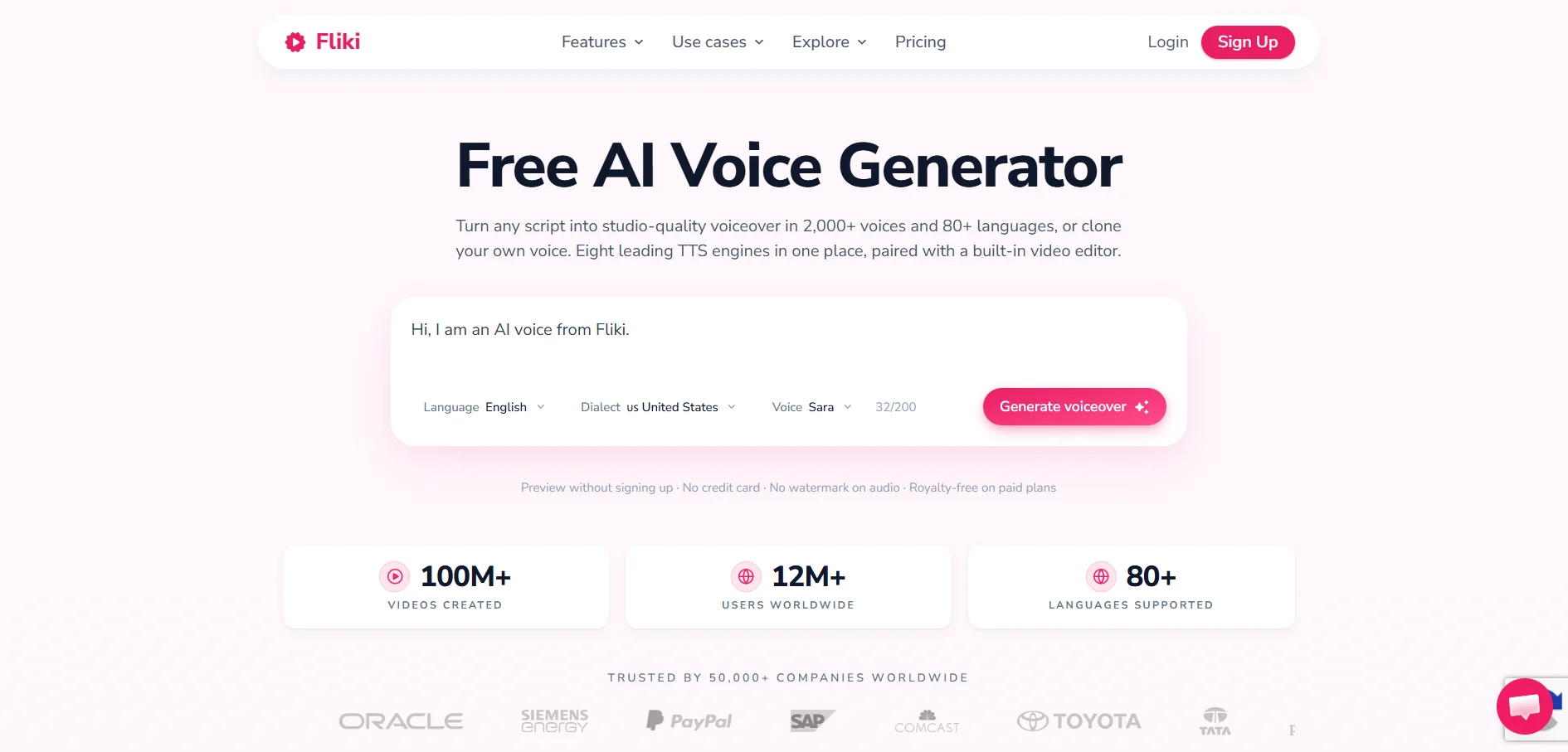
Fliki provides a free plan offering around 5 minutes of HD video per month with access to 300+ voices, letting users test text-to-video and voice quality before upgrading. The catch is that free-tier content includes a watermark and lacks commercial usage rights, limiting it to evaluation purposes only.
Pricing (from Fliki’s official site):
- Free – $0/month, 5 min HD, watermarked
- Standard – $28/month, 180 minutes, FHD video
- Premium – $88/month, 600 minutes, voice cloning, AI avatars
- Teams – From $160/month
Fliki turns scripts, blog posts, and text into narrated videos using over 2,000 AI voices across 75-plus languages. It’s particularly strong for creators who want voice-led video content without deep manual editing, though heavier users will need Premium for voice cloning and longer video durations.
Pros
- Large voice library across many languages
- Combines TTS with automated video creation
- Usable free plan for initial testing
Cons
- Free tier has no commercial usage rights
- Voice cloning locked behind the Premium tier
- Credit-based system can be confusing to estimate
VEED
✔ Free Trial Available
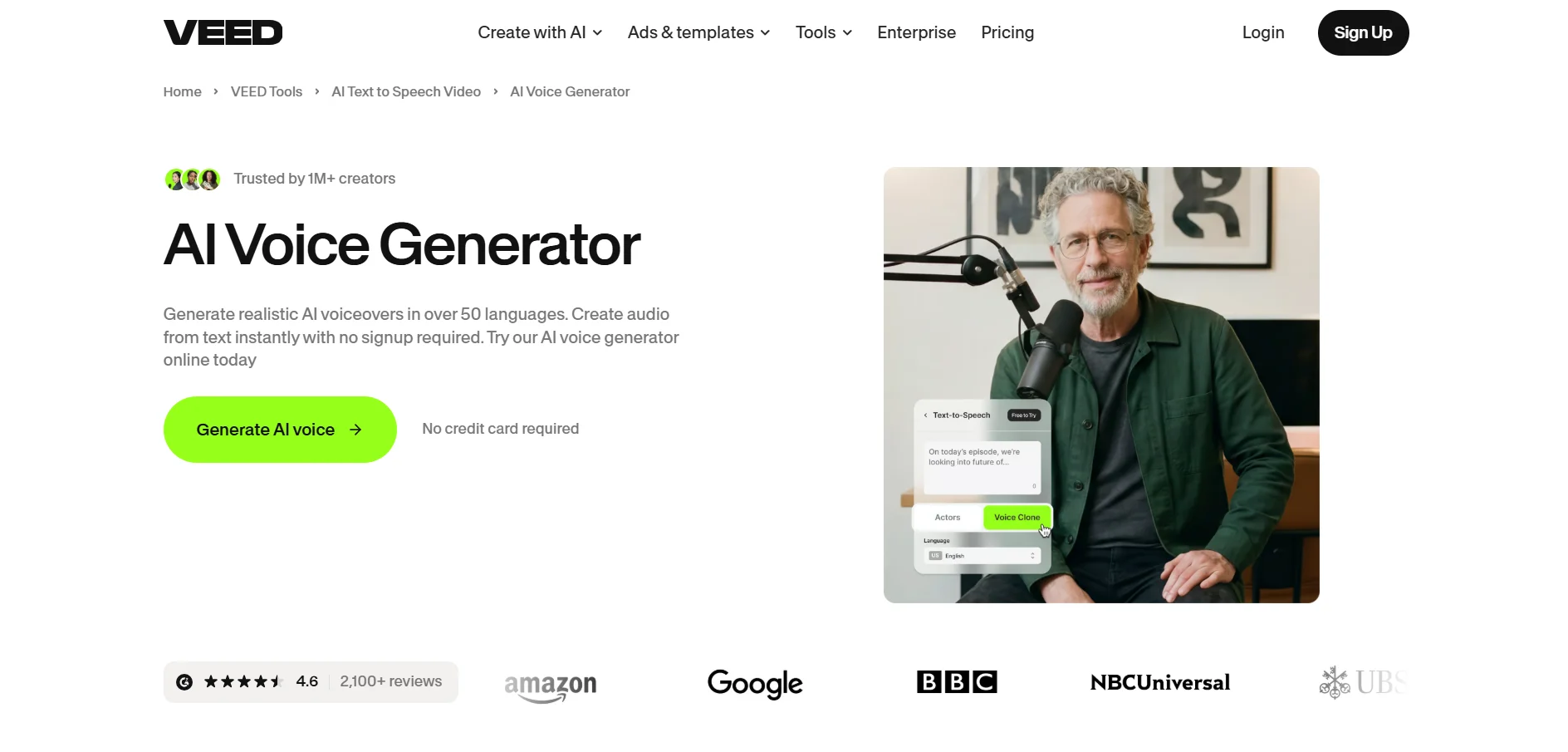
VEED offers a free trial that lets users explore its video editing, subtitling, and AI voice features before committing to a paid plan. According to G2 comparison data, VEED’s entry-level paid pricing starts noticeably higher than some competitors, but the trial gives enough access to judge whether the workflow fits.
Pricing (from VEED’s official site and G2 data):
- Free trial – Available, limited features
- Lite – $19.00/user/month (entry-level paid plan)
- Higher tiers scale up with more export quality and collaboration features
- Enterprise – Custom pricing available
VEED is primarily a video editing platform with strong subtitle and AI voice generation tools layered on top, making it popular with content creators focused on social media and accessibility. Users consistently praise its intuitive interface, particularly for quick trimming and automatic subtitling, though the entry-level price point is higher than some pure-TTS competitors.
Pros
- Intuitive, beginner-friendly video editor
- Strong automatic subtitling for accessibility
- High user satisfaction ratings on ease of use
Cons
- Entry-level pricing higher than some TTS-only tools
- Primarily video-focused, less specialized in pure voice generation
- Advanced features require higher-tier plans
Lovo.ai
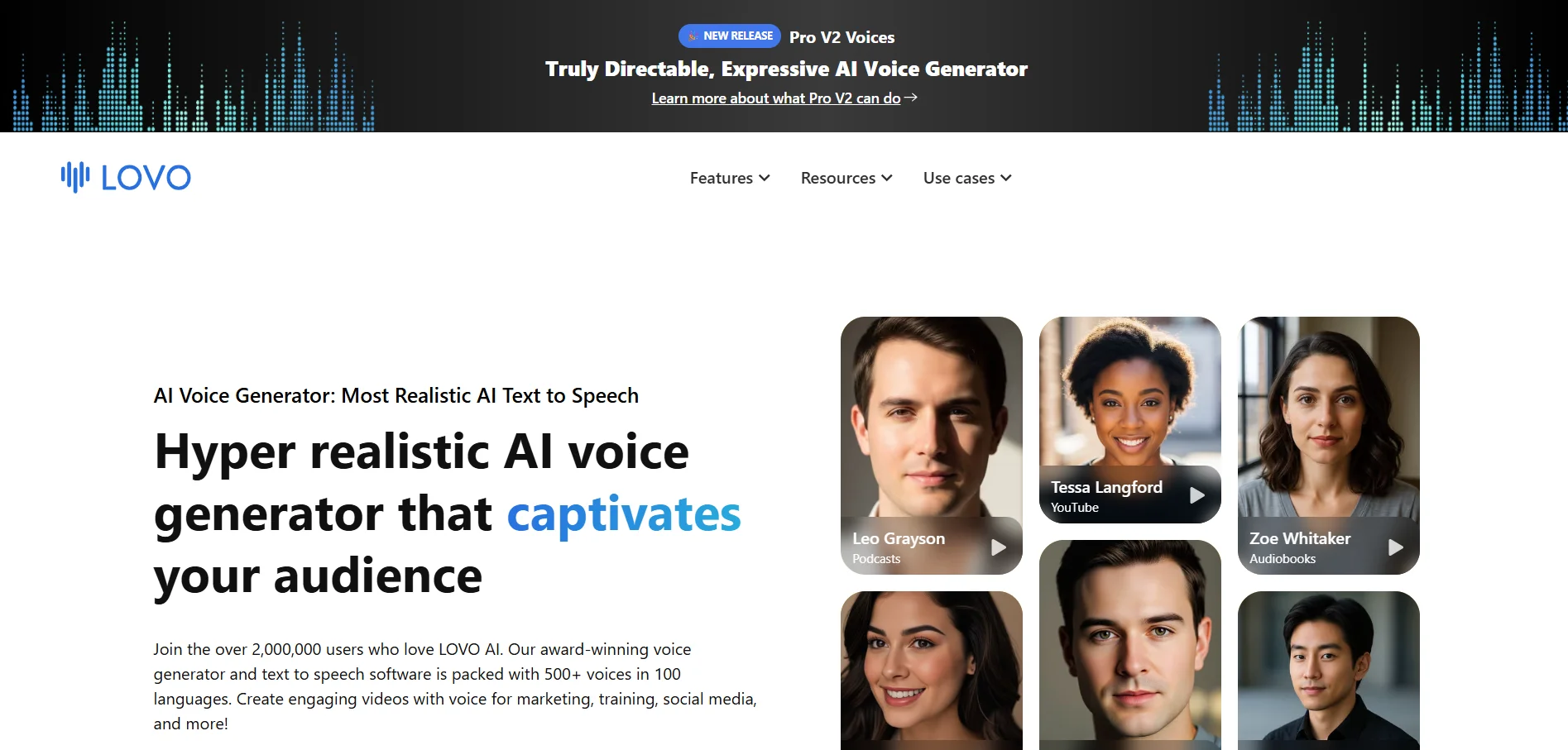
✔ Free Trial Available
Lovo.ai offers a free trial covering one user per month, giving newcomers a chance to sample its voice library and generation tools before subscribing. According to G2 comparison data, this trial is a meaningful way to test voice quality and workflow fit ahead of committing to a paid tier.
Pricing (based on Lovo.ai’s official site and G2 data):
- Free Trial – 1 user per month
- Paid plans scale by voice minutes, cloning access, and commercial licensing
- 4 pricing tiers available in total, including higher business-level plans
- Enterprise – Custom pricing for larger teams
Lovo.ai is known for its large voice library and Genny platform, which combines text-to-speech with basic video editing capabilities for marketers and e-learning creators. It holds a strong 4.4/5 rating on G2, with reviewers particularly noting the value of its free trial relative to some higher-priced competitors in the same category.
Pros
- Free trial lowers the barrier to testing
- Large, diverse voice library
- Combines TTS with basic video tools
Cons
- Entry-level pricing details require checking the official site
- Some advanced features reserved for higher tiers
- Video tools less robust than dedicated video editors
PlayHT
✔ Free Plan Available
PlayHT provides a free plan that lets users generate a limited amount of audio to test voice quality before subscribing to a paid tier. This makes it easy for developers and content creators to evaluate its API and voice cloning capabilities without financial commitment upfront.
Pricing (based on PlayHT’s official pricing structure):
- Free – $0/month, limited monthly word count
- Creator – Budget-friendly monthly tier for individual creators
- Unlimited/Business tiers – Higher word limits, commercial rights, voice cloning
- Enterprise/API – Custom pricing for high-volume developers
PlayHT is frequently positioned as a direct ElevenLabs and MiniMax competitor, offering ultra-realistic voices and low-latency streaming for real-time applications. It’s a strong choice for developers building voice-enabled apps thanks to its robust API, though exact current pricing tiers should always be confirmed on PlayHT’s official site since rates shift frequently.
Pros
- Developer-friendly API with low-latency streaming
- Free plan available for initial testing
- Competitive positioning against major TTS players
Cons
- Free plan word limits are quite restrictive
- Voice cloning and commercial rights require paid tiers
- Pricing structure can shift, requiring frequent verification
Cartesia
ElevenLabs
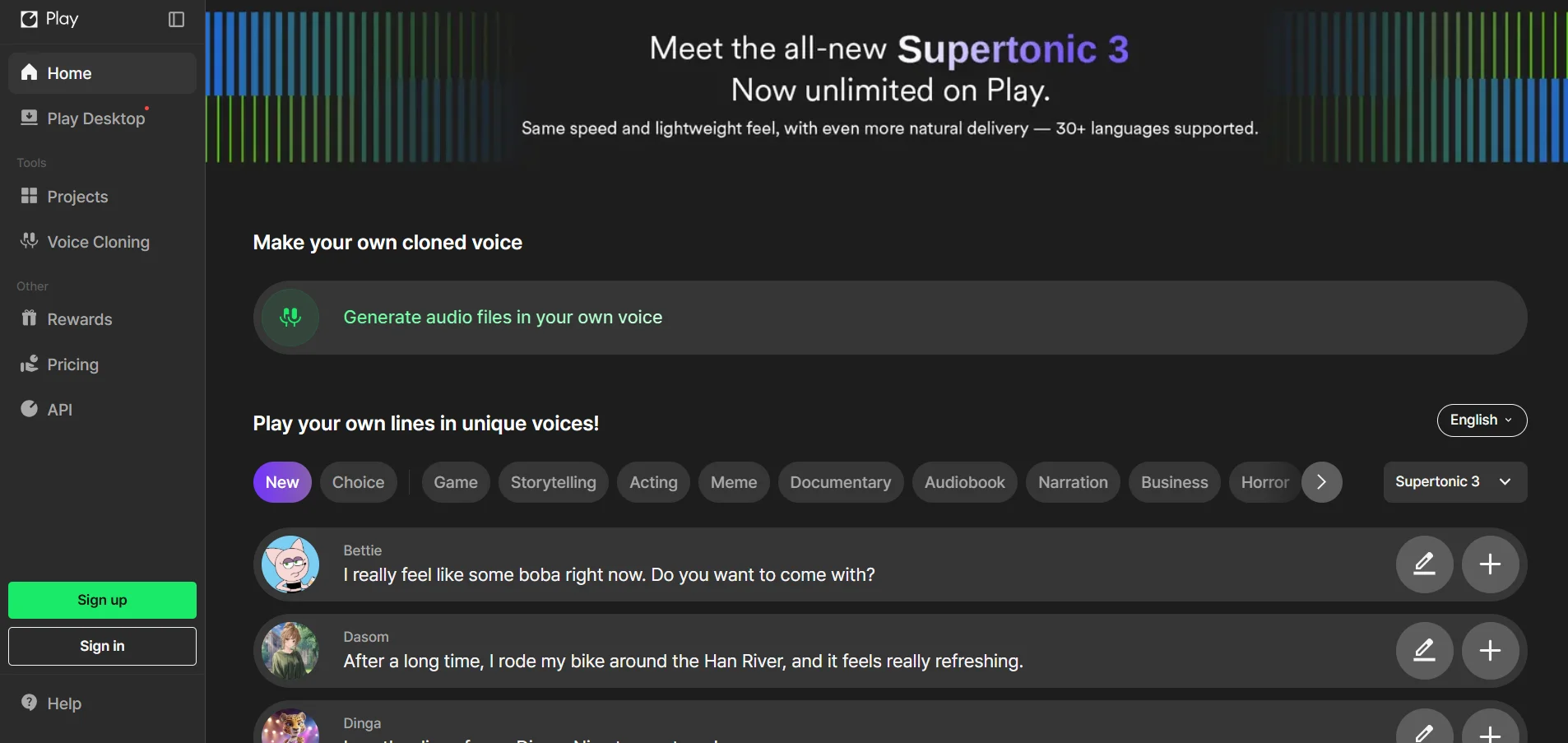
Supertone Play
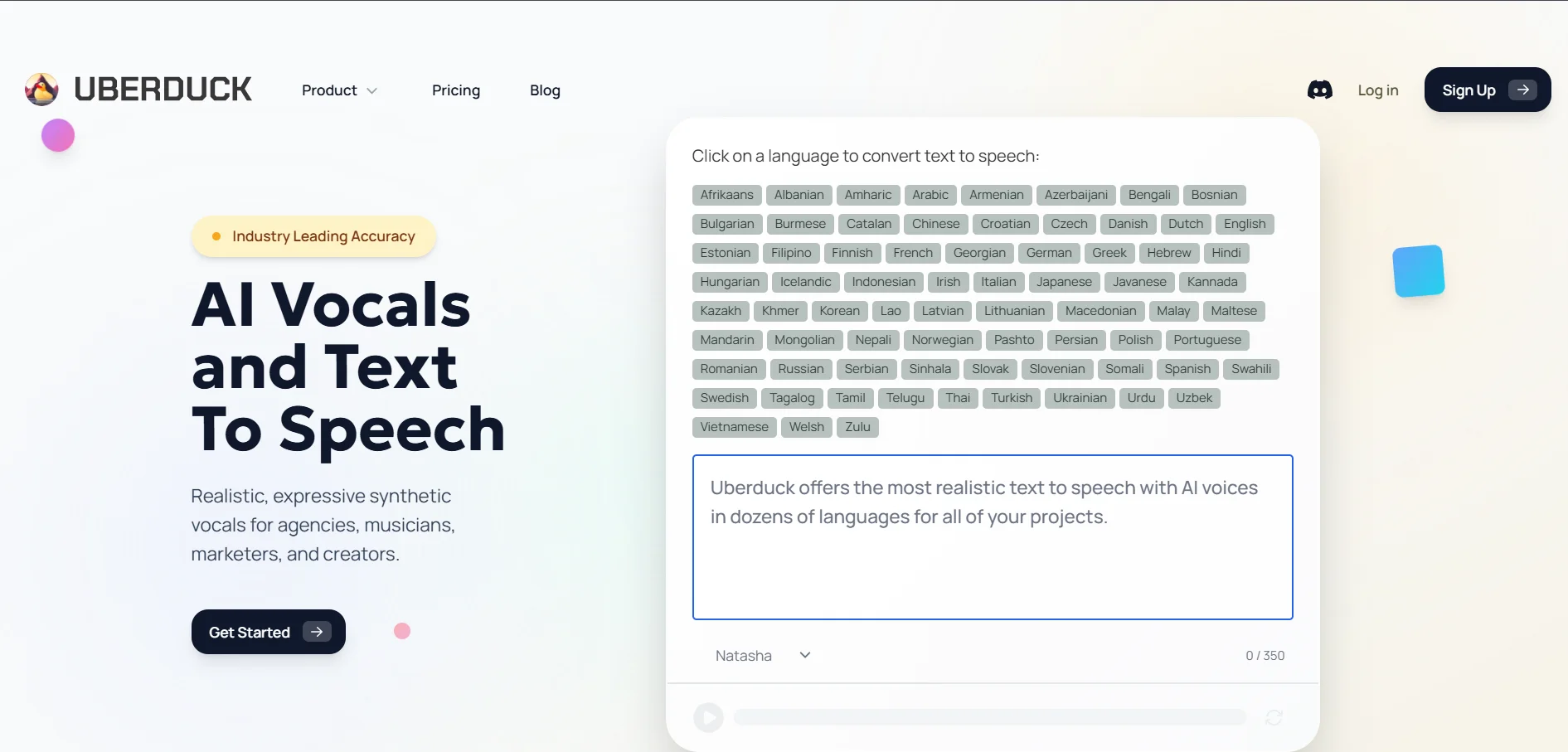
Uberduck
WellSaid Labs
| Alternative | Description |
|---|---|
| Speechify | Consumer-friendly TTS reader with a free plan, strong for reading documents and PDFs aloud at high speeds. |
| MiniMax Audio | Developer-focused TTS API with competitive per-character pricing and fast voice cloning. |
| KikiVoice | Emerging, budget-friendly voice tool for casual creators and small projects. |
| HeyGen | AI avatar and video platform combining realistic avatars with voice cloning and multilingual dubbing. |
| Resemble.ai | Pay-per-use voice cloning platform with built-in deepfake detection and watermarking. |
| Noiz.ai | Simple, budget-conscious voice generation tool for independent creators. |
| BookFab | Niche platform specializing in long-form audiobook-style narration for authors and publishers. |
| Voice.ai | Real-time voice changer combined with TTS, popular with streamers and gamers. |
| Gradium | Lesser-known alternative voice platform with limited public documentation. |
| Fliki | Text-to-video platform with a large multilingual voice library and automated video creation. |
| VEED | Video editing platform with strong subtitling and AI voice tools, ideal for social content. |
| Lovo.ai | Voice generation and light video editing platform with a large voice library and free trial. |
| PlayHT | Developer-oriented TTS platform with a robust API and low-latency streaming voices. |
Conclusion
WellSaid Labs remains a solid choice for enterprise-grade narration, but it’s far from the only option in 2026. If you need a free way to test voices before paying, Speechify, HeyGen, Fliki, VEED, Lovo.ai, and PlayHT all offer accessible free plans or trials. Developers building voice-enabled products may prefer MiniMax Audio, Resemble.ai, or PlayHT for their flexible APIs, while creators focused on video content will likely gravitate toward HeyGen, Fliki, or VEED. Smaller, emerging tools like KikiVoice, Noiz.ai, BookFab, and Gradium are worth exploring for niche use cases, though it’s wise to verify their latest pricing and trial terms directly on their official websites before subscribing. Ultimately, the best WellSaid Labs alternative depends on your specific need whether that’s affordability, voice cloning quality, video integration, or developer flexibility.


