

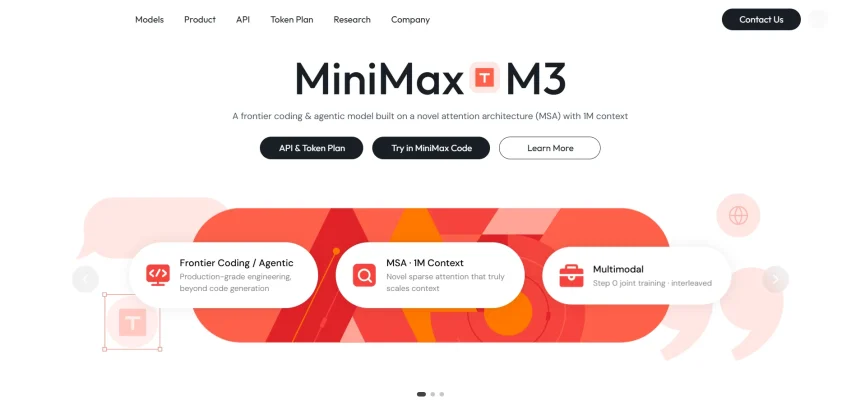
Minimax has become a popular name in AI voice and speech generation, but it isn’t the only option on the market. Depending on your budget, workflow, and the level of voice realism you need, several other platforms offer comparable or even superior features. This guide breaks down 10 of the best Minimax Alternatives available today. Each entry covers free trial availability, current pricing plans pulled from official sources, and the pros and cons you should weigh before committing.
1. Supertone Play
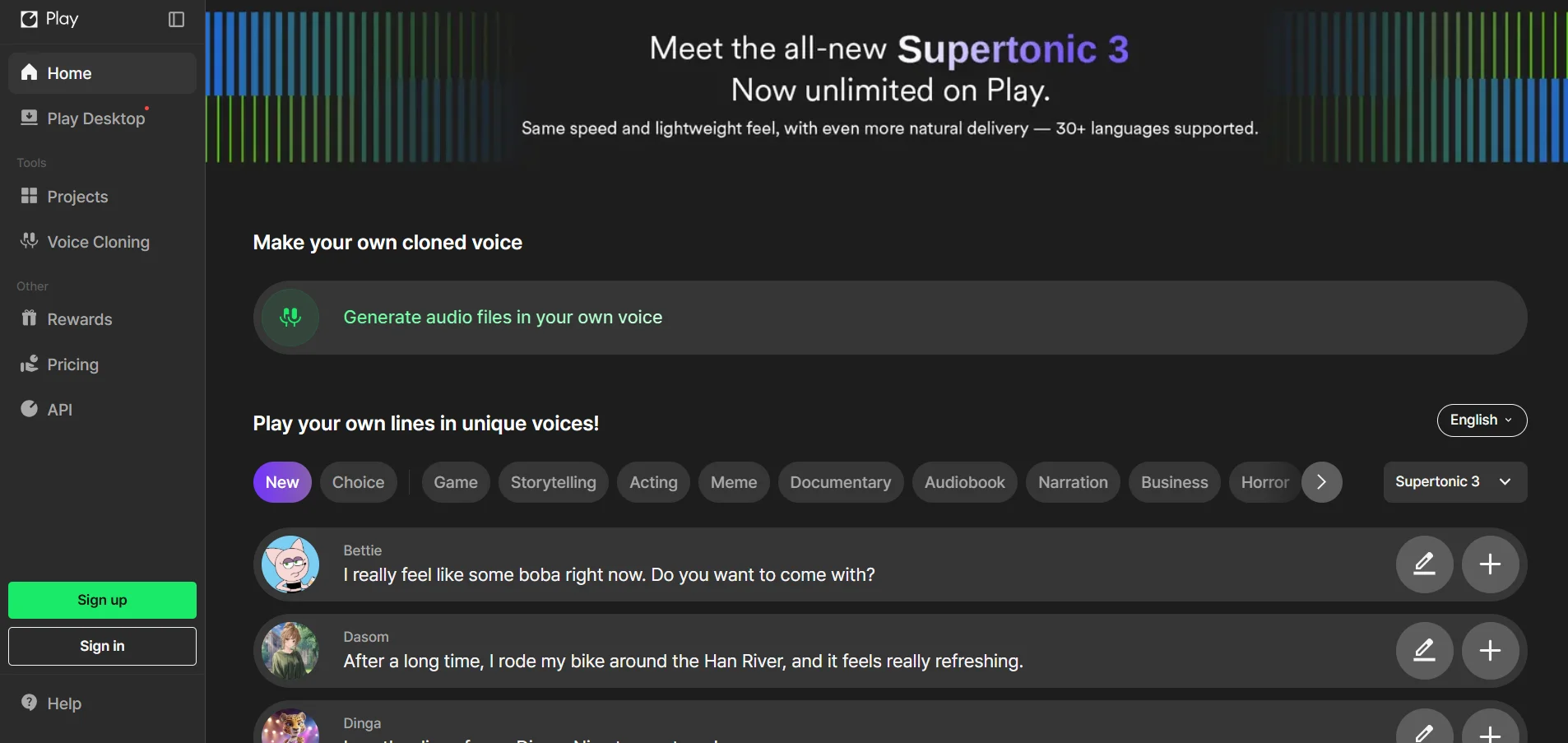
Pricing: Free ($0, 3,000 credits) | Starter ($2.99/mo) | Creator ($10.49/mo) | Pro ($55.99/mo) | Enterprise (custom)
Supertone Play is a multilingual text-to-speech platform known for expressive, emotionally rich voice output. It lets users switch languages mid-script while keeping the same character voice, which is ideal for global content creators. The two-week free trial gives full access to over 150 premium voices before any payment is required.
Pricing scales through credit-based tiers, starting at under $3 a month for casual creators and reaching nearly $56 for high-volume professional use. Commercial usage rights begin at the Starter tier, while the free plan requires attribution. Annual billing unlocks a 10% discount on Creator-tier plans and above.
Pros
- Strong emotional and multilingual voice control
- Generous 2-week no-card free trial
- Affordable entry-level pricing
Cons
- Credit system can be confusing for new users
- No refunds once purchased
- Best language support limited to a few languages
2. Resemble.ai
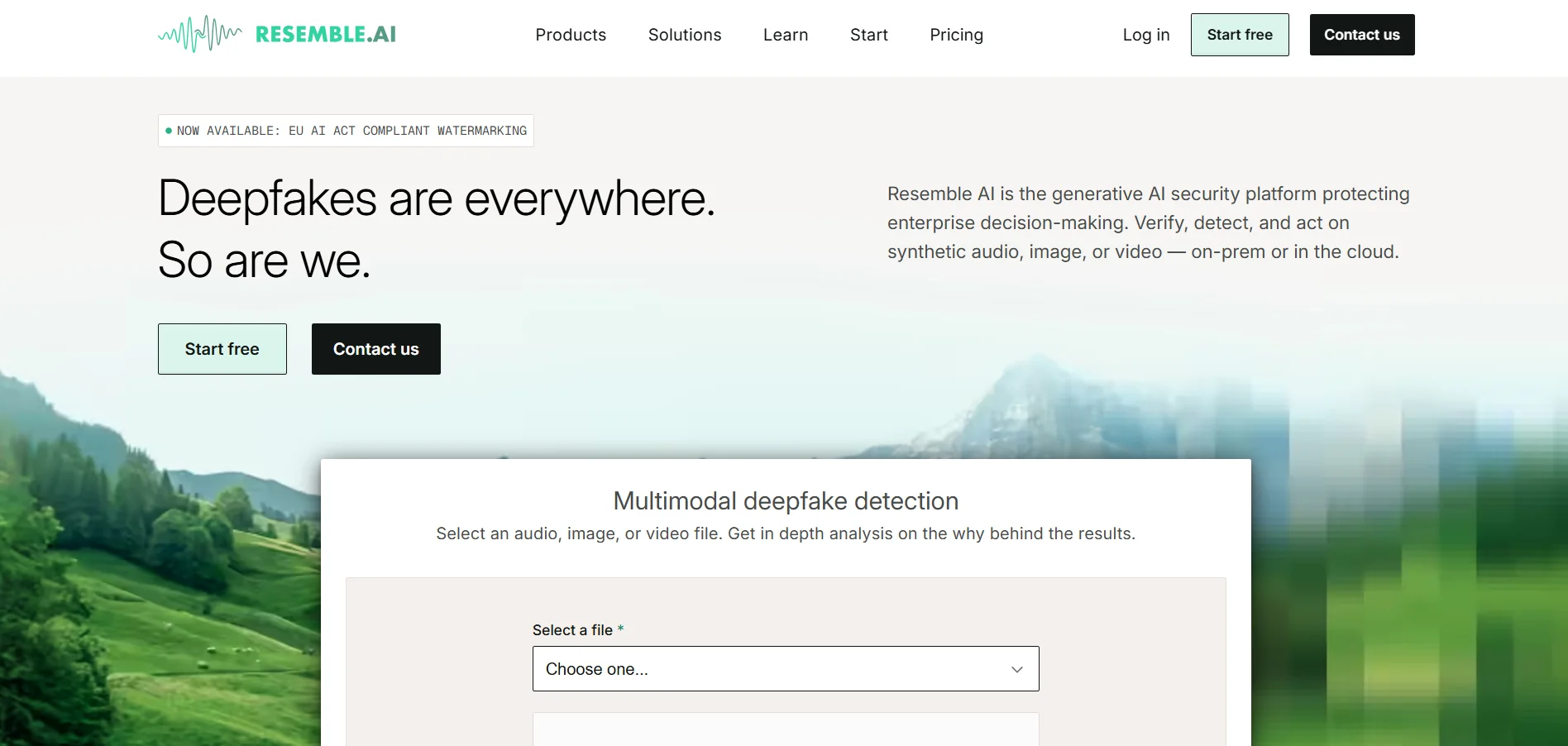
Pricing: Flex ($0 to start, $0.0005/sec TTS) | Enterprise (custom, quote-based)
Resemble.ai is a voice technology company built for broadcast-quality synthetic voices, real-time APIs, and deepfake detection tools. It moved away from flat subscription tiers in 2025 toward a consumption-based Flex model, giving developers granular control over spend. Credits never expire, and full API access is included from the very first dollar spent.
The Enterprise plan adds SOC 2 compliance, on-prem deployment, and volume discounts up to 80% for large-scale users. Resemble also stands out with built-in audio watermarking and deepfake detection, features most competitors don’t offer. This makes it a strong choice for security-conscious media and broadcast teams.
Pros
- Pay-per-use pricing avoids wasted subscription spend
- Built-in deepfake detection and watermarking
- Broadcast-quality voice cloning
Cons
- No flat monthly plans for predictable budgeting
- Costs can climb fast at high volume
- Enterprise pricing requires a sales conversation
3. PlayHT
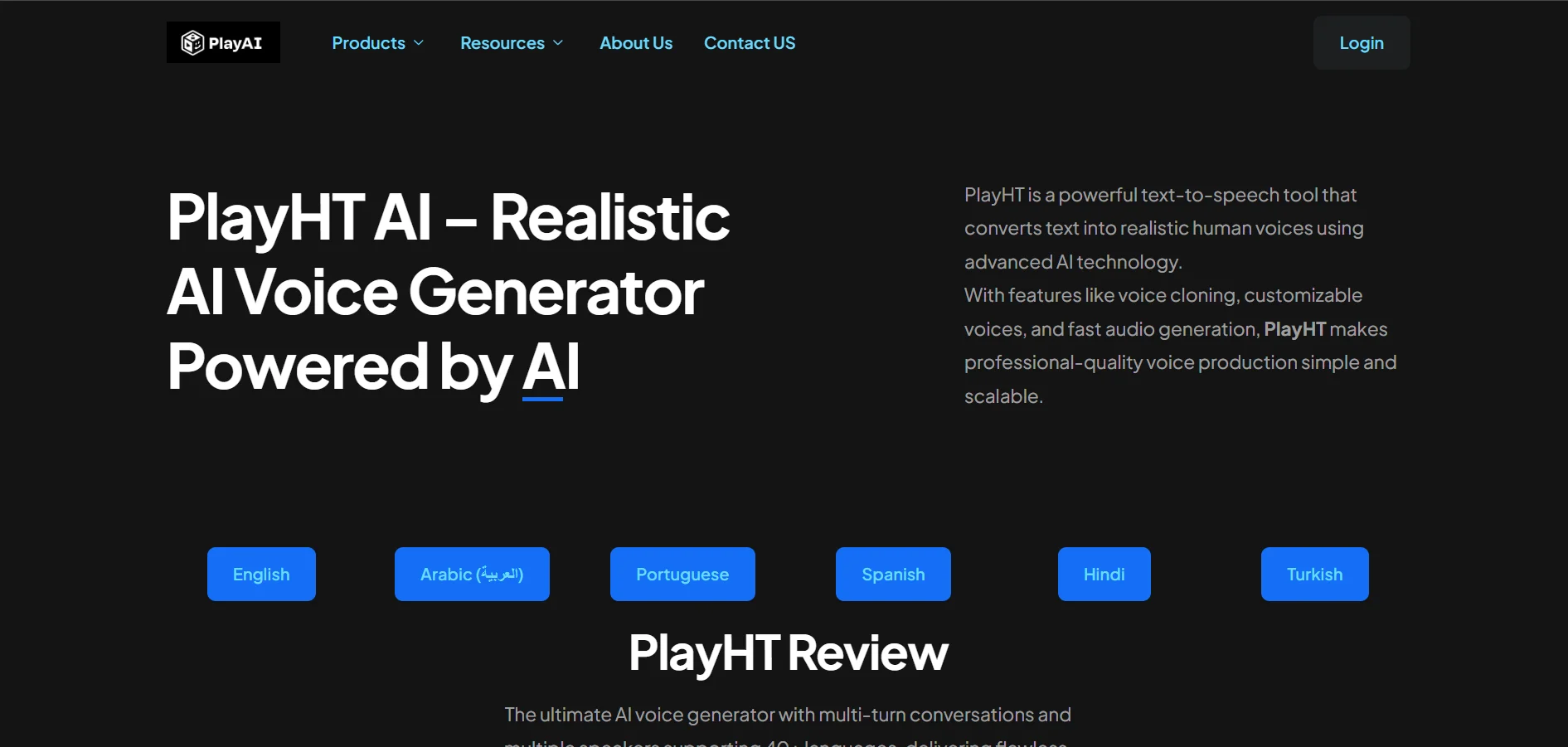
Pricing: Free ($0) | Creator (~$31.20/mo annual) | Unlimited (~$99/mo) | Enterprise (custom)
PlayHT is an AI voice generator offering over 800 natural-sounding voices across 140+ languages, along with instant voice cloning and a developer API. The free plan is a solid way to sample the platform, offering one instant voice clone and access to the full voice library, though commercial use isn’t permitted at this tier.
Paid plans unlock commercial rights, higher character limits, and priority processing speeds for professional workloads. The Unlimited plan is designed for agencies and businesses producing high volumes of narrated content regularly. Enterprise pricing adds dedicated support and custom integrations for larger teams.
Pros
- Massive voice and language library
- Free tier available to test quality first
- Useful character voice generator for games and animation
Cons
- Free plan lacks commercial usage rights
- Pricing tiers vary across listing sources, causing confusion
- No API access on lower-tier plans
4. Uberduck
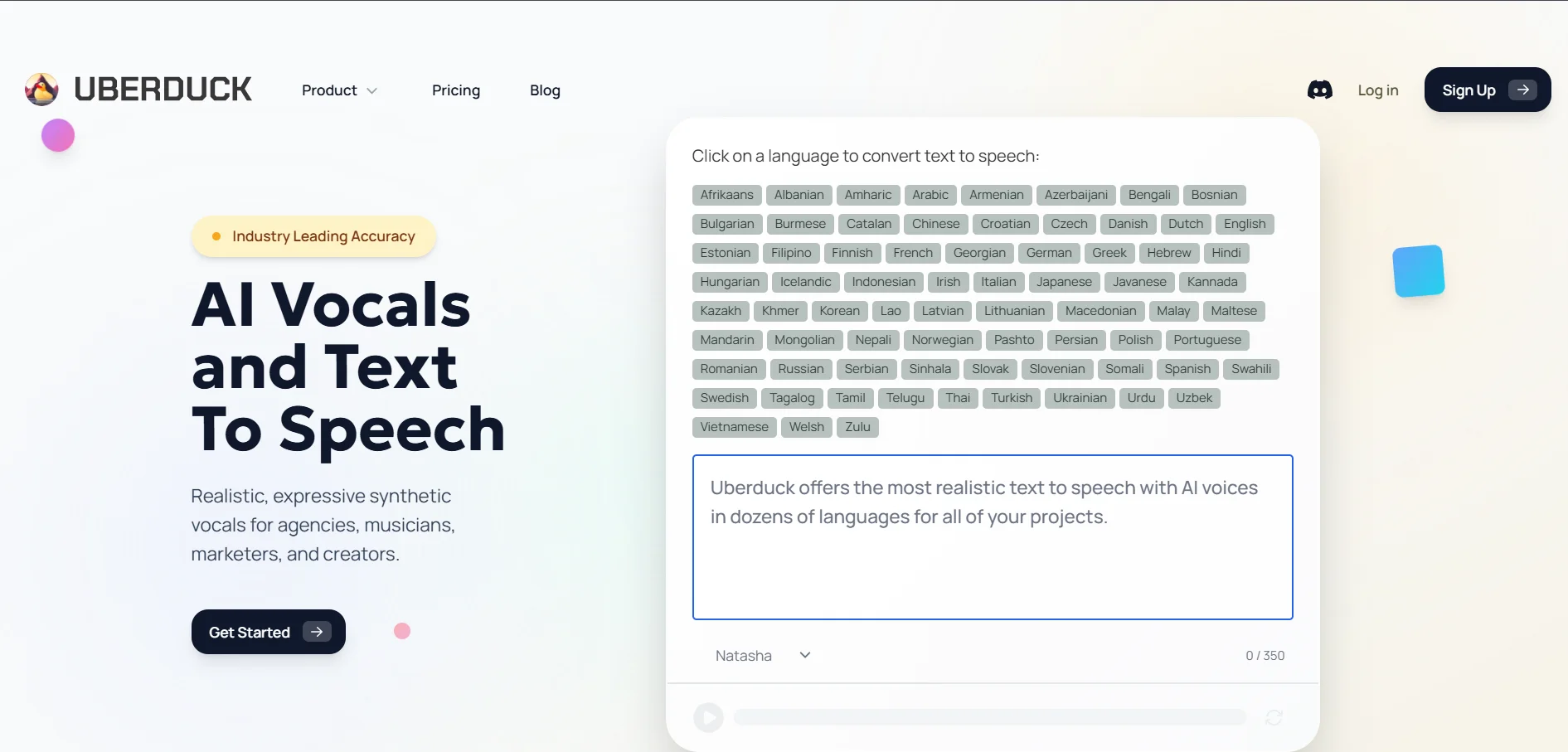
Pricing: Free ($0) | Creator (~$5–$10/mo) | Pro (~$60/mo) | Enterprise (custom)
Uberduck built its reputation on a quirky library of over 5,000 voices, including celebrity-style impersonations and AI-generated rap and singing tools. It’s popular among TikTok and YouTube creators who want playful, meme-friendly audio rather than strictly professional voiceovers. The free tier is functional enough for casual experimentation.
The Creator plan adds a commercial license and API access, while Pro increases credit allowances significantly for heavier users. Voice quality has fallen behind newer competitors like ElevenLabs, though the rap and singing generation features remain a distinctive selling point few rivals match.
Pros
- Huge, unique voice library including novelty voices
- Unmatched AI rap and singing generation tools
- Affordable entry-level pricing
Cons
- Voice naturalness trails premium competitors
- Commercial licensing terms can be unclear
- Server reliability issues reported by users
5. KikiVoice
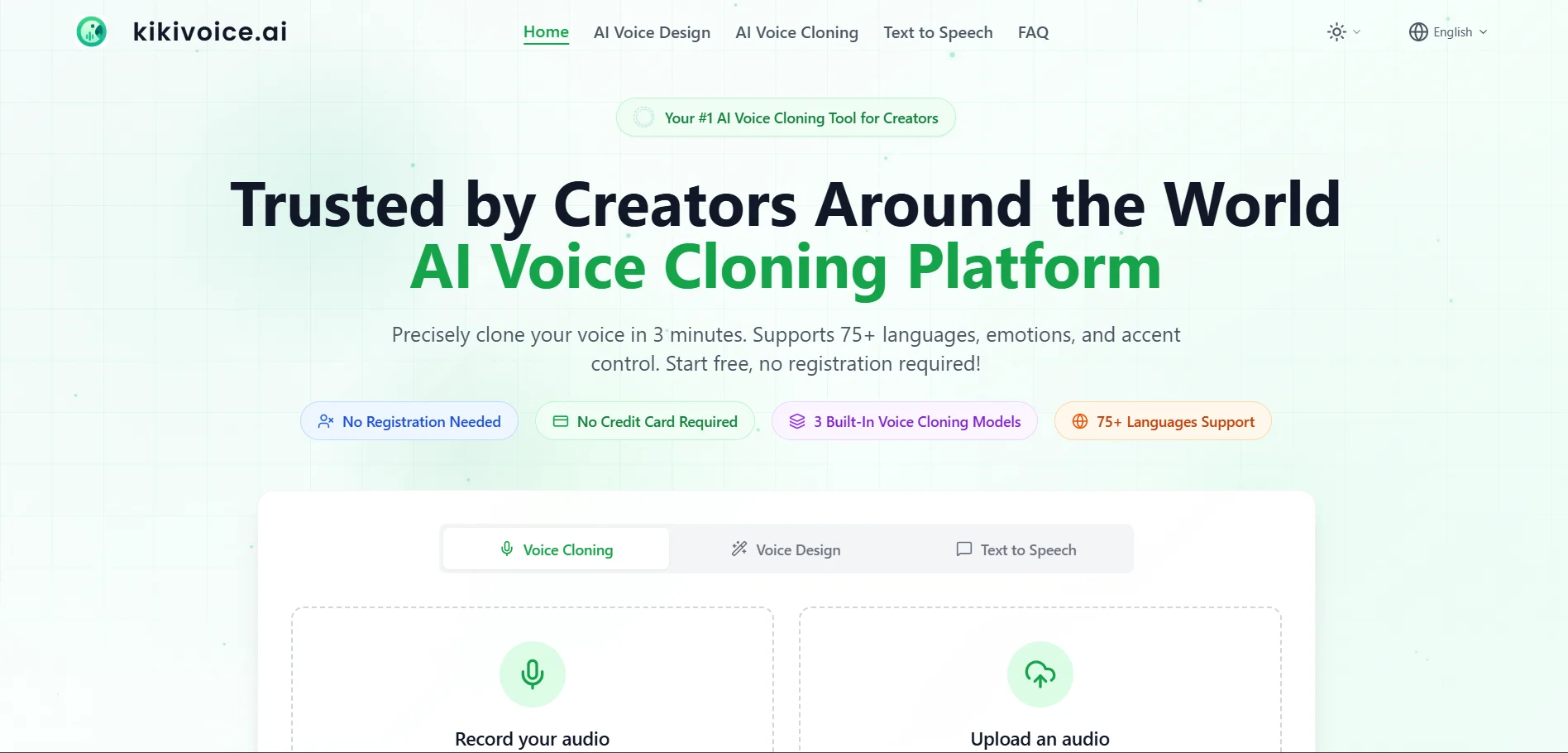
Pricing: Free preview ($0) | Standard subscription tiers (check official site for current rates) | Custom/Enterprise plans available
KikiVoice is a lesser-known but growing text-to-speech platform focused on natural-sounding voices for content creators and small businesses. It offers a straightforward interface aimed at users who want quick voiceovers without a steep learning curve. The free preview lets newcomers test output quality before paying anything.
Paid subscription tiers unlock longer generation limits, additional voice styles, and commercial usage rights for monetized projects. Because KikiVoice is smaller than industry giants, pricing and features can shift quickly, so checking the official site before purchasing is recommended. It suits users seeking a simple, budget-conscious alternative.
Pros
- Simple, beginner-friendly interface
- Free preview before committing to payment
- Budget-friendly for small creators
Cons
- Smaller voice library than major competitors
- Less brand recognition and community support
- Feature set less advanced than industry leaders
6. Pixbim (Voice Clone AI)
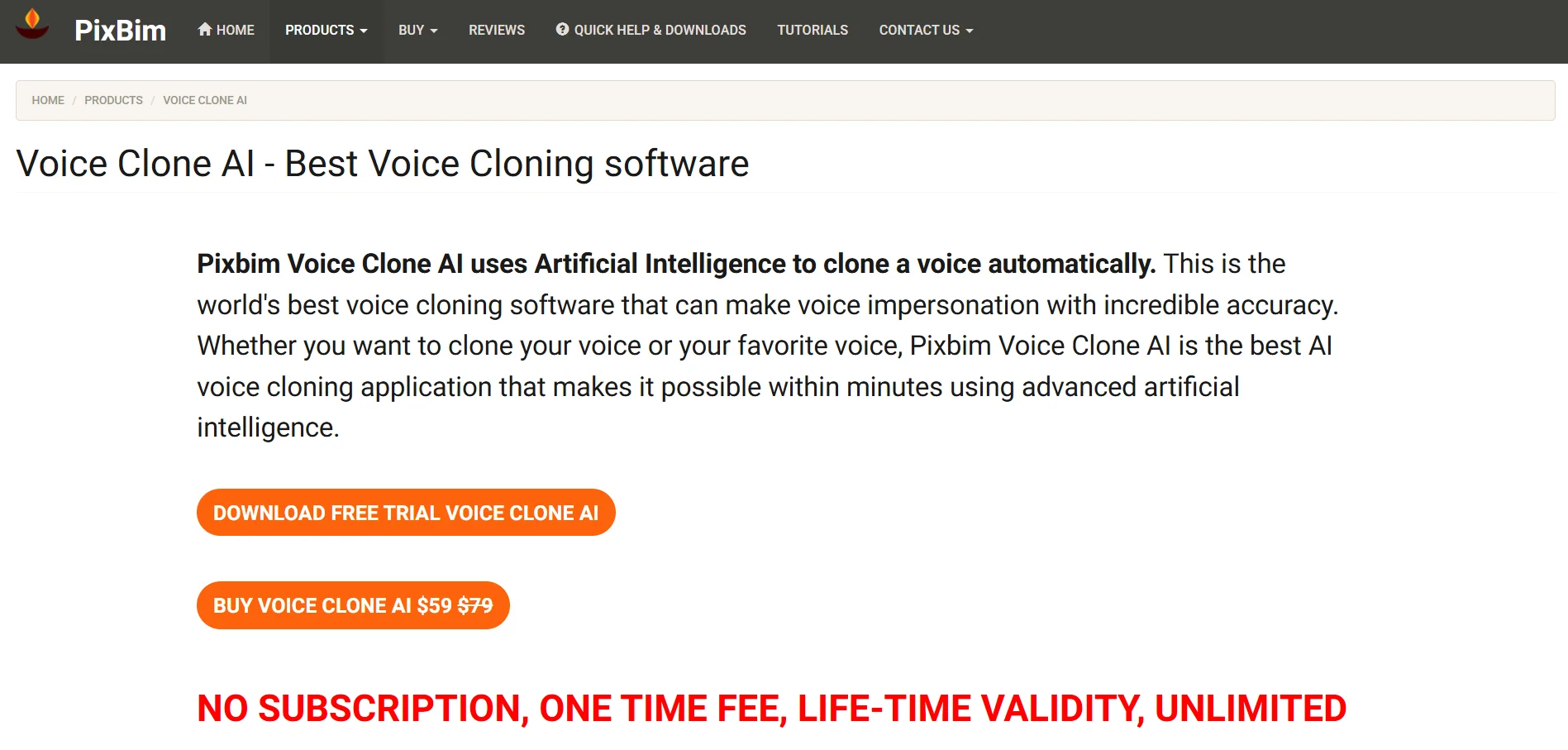
Pricing: One-time purchase at $59 (discounted from $79), lifetime license, no subscription
Pixbim Voice Clone AI stands apart from most competitors by using a one-time payment model instead of recurring subscriptions. It’s an offline desktop application, meaning voice cloning happens locally without needing an internet connection, which appeals to privacy-focused users. The free trial lets you test cloning quality before buying.
Once purchased, users get unlimited voice cloning duration, multi-speaker support, and no text limits for generating scripts. This makes it especially cost-effective for long-term users compared to monthly subscription tools like ElevenLabs. However, it lacks cloud collaboration features and the expansive prebuilt voice libraries offered by web-based platforms.
Pros
- One-time fee, no recurring subscription costs
- Works fully offline for data privacy
- Unlimited voice cloning usage after purchase
Cons
- No cloud-based collaboration tools
- Smaller prebuilt voice library than web platforms
- Desktop-only, no mobile app
7. Cartesia
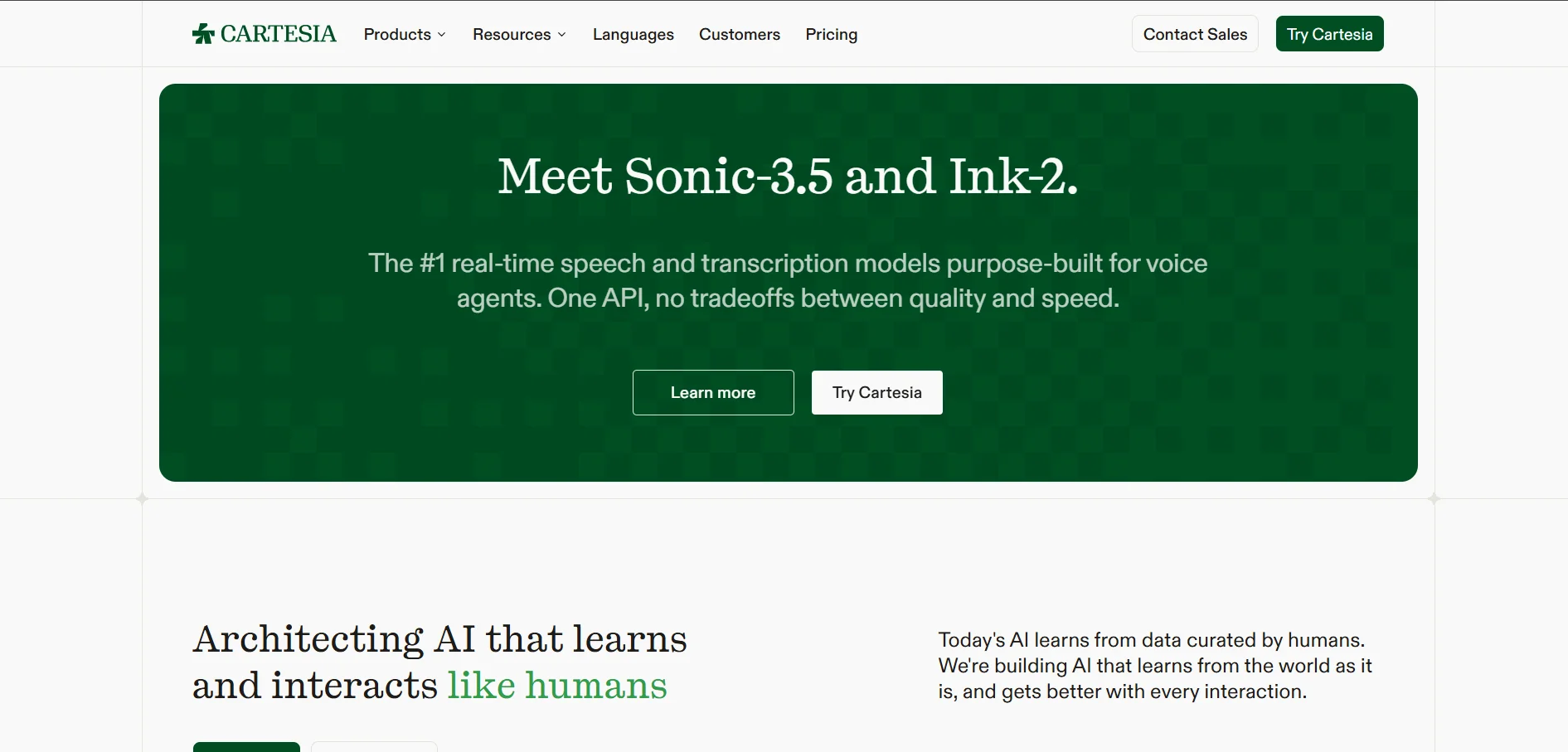
Pricing: Free ($0) | Pro (~$5/mo) | Startup (~$49/mo) | Scale (~$299/mo) | Enterprise (custom)
Cartesia is a real-time voice AI platform built specifically for ultra-low latency applications like voice agents and conversational AI. Its Sonic model claims sub-100ms time-to-first-audio, making it a favorite among developers building phone bots and interactive assistants. The free tier has no time limit, which is rare among API-first competitors.
Paid tiers scale credits and concurrency limits, with the Pro plan unlocking commercial use and instant voice cloning. Higher tiers like Startup and Scale target businesses running high-volume voice agents needing dedicated support. Enterprise adds HIPAA compliance and on-premise deployment for regulated industries.
Pros
- Industry-leading low latency for real-time voice agents
- Free plan never expires
- Scales well for developers building conversational AI
Cons
- Requires engineering resources; no no-code option
- Credit system can get pricey at high volume
- No commercial use on the free tier
8. Podcastle
Pricing: Free ($0) | Storyteller (~$11.99/mo annual) | Pro (~$23.99–$39.99/mo) | Business (~$64.99/mo) | Enterprise (custom)
Podcastle is an all-in-one audio and video content platform combining recording, AI voice generation, transcription, and editing tools. It’s designed for podcasters and YouTubers who want to avoid juggling multiple separate apps for production. The free Basic plan supports unlimited audio recording, making it genuinely usable before upgrading.
Paid tiers add AI-powered noise removal, filler-word detection, and remote multi-guest recording for up to 10 participants on separate tracks. The Storyteller plan is the most budget-friendly paid option combining recording and editing in one package. Business and Enterprise tiers add team collaboration and advanced security features.
Pros
- All-in-one recording, editing, and AI voice toolkit
- Genuinely usable free plan
- Great for multi-guest podcast interviews
Cons
- Video features are more limited than audio features
- Some users report billing and cancellation issues
- Less specialized than dedicated TTS-only tools
9. Speechify
Pricing: Free ($0) | Premium ($139/yr or $29/mo) | Studio Starter (~$19/mo) | Studio Creator (~$49/mo) | Enterprise (custom)
Speechify built its name as a text-to-speech reading app, converting articles, PDFs, and books into natural audio for accessibility and productivity. Its free plan includes basic voices and playback up to 1.5x speed, useful for casual readers with ADHD or visual impairments. A Chrome extension reads web pages aloud instantly.
Premium unlocks over 30 high-definition voices and playback speeds up to 4.5x for power users who consume large volumes of text. The Studio line targets content creators needing commercial-use voiceovers rather than personal reading assistance. Enterprise and education plans offer discounted or free access for schools.
Pros
- Excellent accessibility features for reading assistance
- Fast playback speeds up to 4.5x
- Free tier genuinely useful for light use
Cons
- Studio Creator plan is pricier than some competitors
- Free plan limited to fewer voices and languages
- Contracts often auto-renew annually
10. ElevenLabs
Pricing: Free ($0) | Starter ($6/mo) | Creator ($22/mo) | Pro ($99/mo) | Scale ($299/mo) | Business ($990/mo) | Enterprise (custom)
ElevenLabs is widely regarded as the industry leader in AI voice synthesis, offering some of the most natural-sounding text-to-speech and voice cloning available today. The free plan lets users experiment with roughly 10 minutes of audio generation monthly, though commercial use requires upgrading. Its credit system applies uniformly across text-to-speech, dubbing, and conversational AI agents.
The Creator plan is the sweet spot for most solo creators, unlocking professional voice cloning and 121,000 monthly credits at a reasonable price. Higher tiers like Scale and Business serve agencies and enterprises generating daily narration at scale. ElevenLabs consistently ranks top for realism, making it the benchmark competitors are measured against.
Pros
- Best-in-class voice realism and emotional range
- Flexible credit system across multiple tools
- Strong developer API and dubbing support
Cons
- Free plan has no commercial usage rights
- Credits burn quickly with heavy use
- Higher tiers get expensive for agencies
| Alternative | Description |
|---|---|
| Supertone Play | Multilingual, emotionally expressive TTS platform with character-consistent voice switching across languages. |
| Resemble.ai | Broadcast-quality voice cloning API with built-in deepfake detection and pay-per-use pricing. |
| PlayHT | Large voice and language library with instant cloning, popular for creators and character voice work. |
| Uberduck | Quirky voice platform known for celebrity-style voices, AI rap, and singing generation tools. |
| KikiVoice | Beginner-friendly TTS tool offering simple, budget-conscious voice generation for small creators. |
| Pixbim | Offline, one-time-purchase voice cloning software with unlimited usage and no subscription fees. |
| Cartesia | Ultra-low latency real-time voice AI platform built for conversational agents and voice bots. |
| Podcastle | All-in-one podcast and video recording, editing, and AI voiceover platform for creators. |
| Speechify | Text-to-speech reading app focused on accessibility, productivity, and fast-paced audio consumption. |
| ElevenLabs | Industry-leading AI voice synthesis platform known for the most realistic, natural voice output. |
Conclusion
Minimax has plenty of capable rivals, and the right pick depends entirely on your use case. Developers building real-time voice agents will lean toward Cartesia or Resemble.ai, while podcasters and YouTubers may prefer the all-in-one convenience of Podcastle or the realism of ElevenLabs. Budget-conscious creators have strong options too, from Pixbim’s one-time fee to Uberduck’s playful low-cost tiers.
Before committing to any platform, take advantage of the free trials listed above to test voice quality firsthand. Pricing structures shift often in this fast-moving space, so always double-check the official website for the latest plans. With the right alternative, you can match your voice generation needs to your budget without compromising on quality.


