

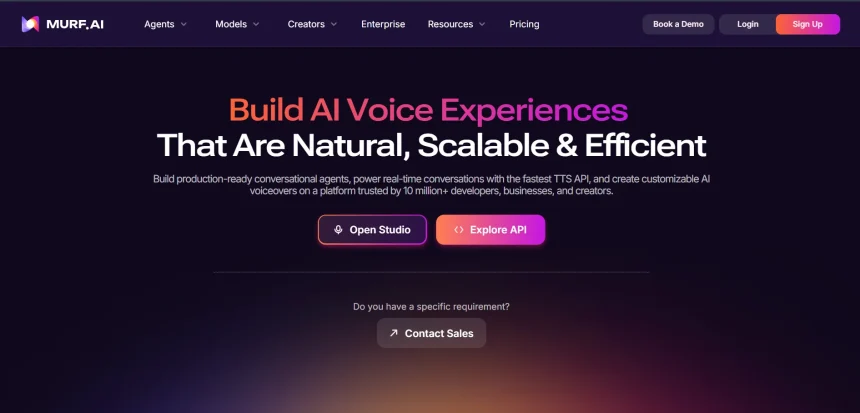
Murf.AI has long been a popular choice for AI voiceovers, but it is far from the only option on the market. Whether you need studio-grade narration, real-time voice cloning, multilingual dubbing, or an affordable text-to-speech reader, dozens of platforms now compete for your attention. In this guide, we break down 11 of the best Murf.AI Alternatives available today.
We cover their free trial availability, current pricing plans pulled from official sources, and a clear list of pros and cons so you can decide which tool actually fits your budget and workflow before you commit to a subscription.
1. MiniMax
✅ Free Trial: 4,000 free daily credits, no card required
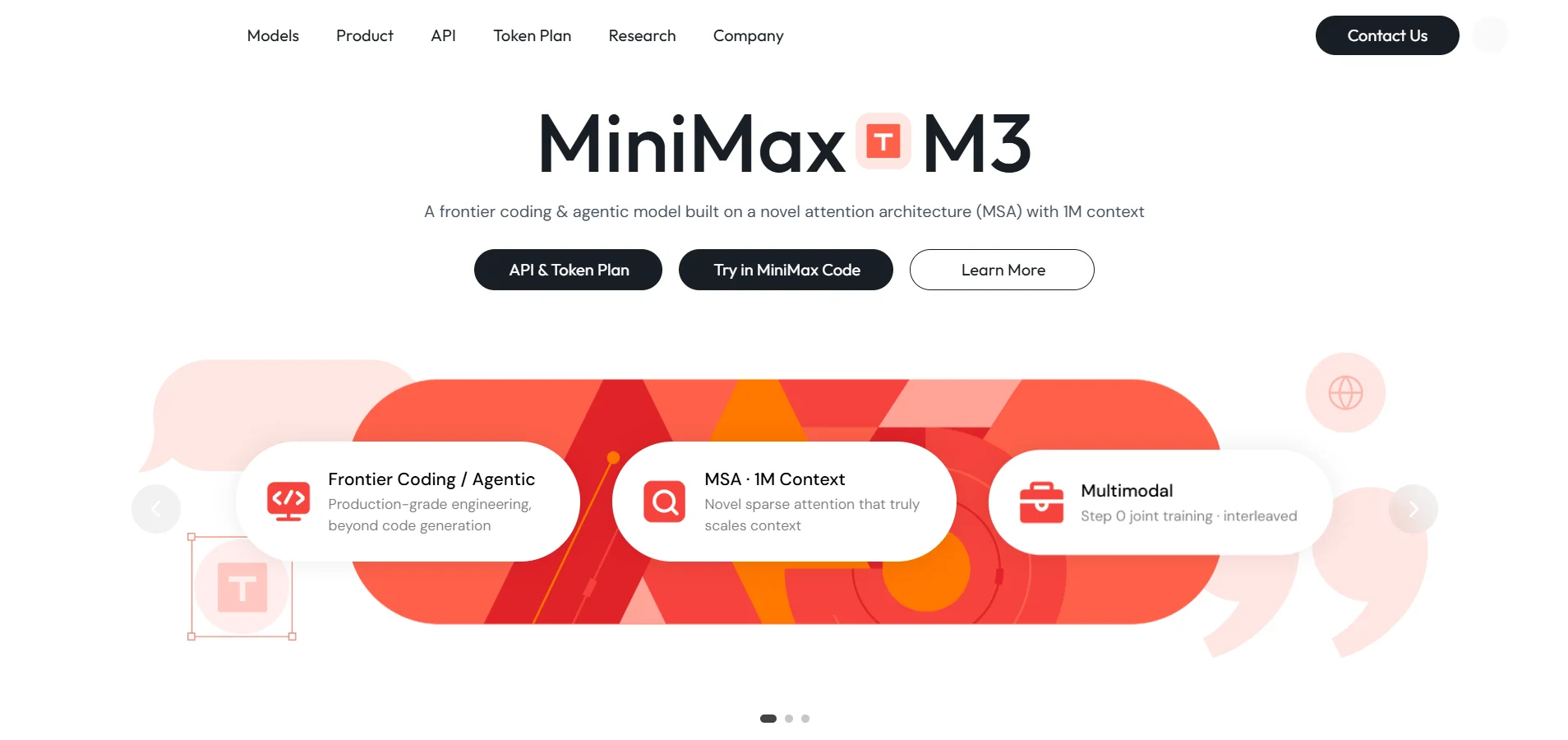
MiniMax Audio is a fast-growing enterprise-grade voice synthesis platform built on the speech-2.8 model family, supporting 40 languages and instant voice cloning. New users can test the platform daily without a subscription. Its pay-as-you-go API pricing and monthly subscription tiers make it flexible for both hobbyists and larger production teams needing bulk audio output.
Starter – $5/mo
Creator – $15/mo
Standard – $30/mo
Business – $999/moAPI: $60–$100 per million characters; voice cloning from $1.50/voice.
Beyond subscriptions, MiniMax offers granular API pricing for developers who need programmatic access, charging separately for rapid voice cloning and generative voice design. This dual model — flat subscriptions for casual users and metered billing for scaled production — makes MiniMax appealing to both solo creators and companies building voice-powered applications or automated content pipelines.
✔ Pros
- Very affordable entry-level pricing
- 10-second instant voice cloning
- Supports 40+ languages
- Generous daily free credits
✘ Cons
- API pricing structure can be confusing
- Interface geared more toward developers
- Enterprise tier is expensive
2. Supertone Play
✅ Free Trial: 2 weeks, no card required
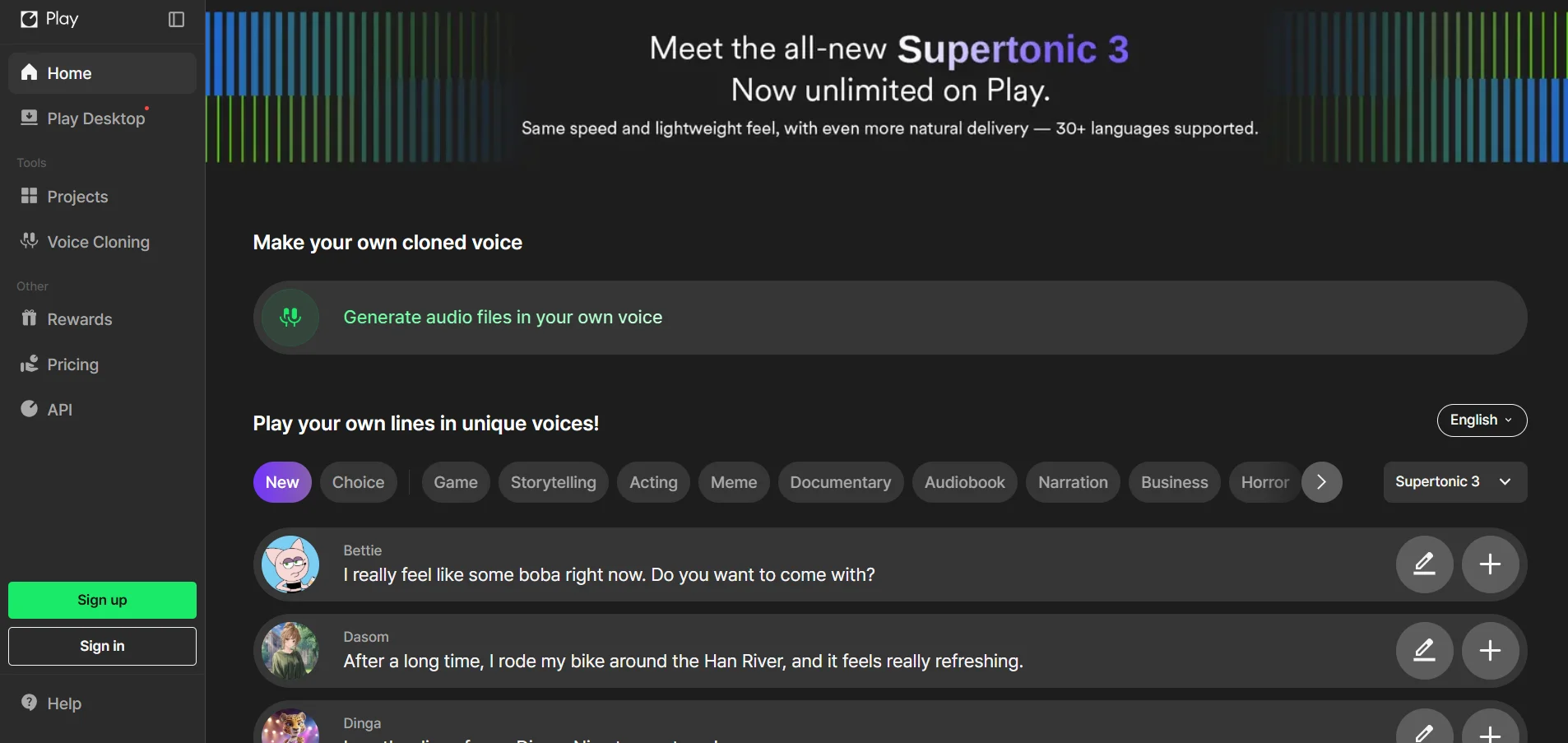
Supertone Play, developed by HYBE’s AI subsidiary Supertone, is a hyperrealistic text-to-speech tool known for expressive, emotionally nuanced voices and 10-second voice cloning. It primarily supports Korean, Japanese, and English, making it a strong niche pick for creators targeting Asian markets or anime-style content, though broader language coverage remains limited.
Free – 3,000 credits/mo
Creator plans (paid tiers)
Annual billing – 10% offAdd-on tools: Supertone Clear at $69 (from $99).
Paid subscribers unlock unlimited feature access regardless of tier, and annual plans deliver a full year of credits upfront with a 10% discount. Business use is permitted even on individual plans. However, reviewers note occasional compatibility issues with DAWs like Reaper, and the official pricing page can lack up-to-date detail compared to competitors.
✔ Pros
- Highly expressive, emotional voice output
- Fast 10-second voice cloning
- 150+ voice character library
- Generous free trial period
✘ Cons
- Limited language support
- Reported software crashes with some DAWs
- No refunds on beta purchases
3. Uberduck
⚠️ Limited free access on community tiers
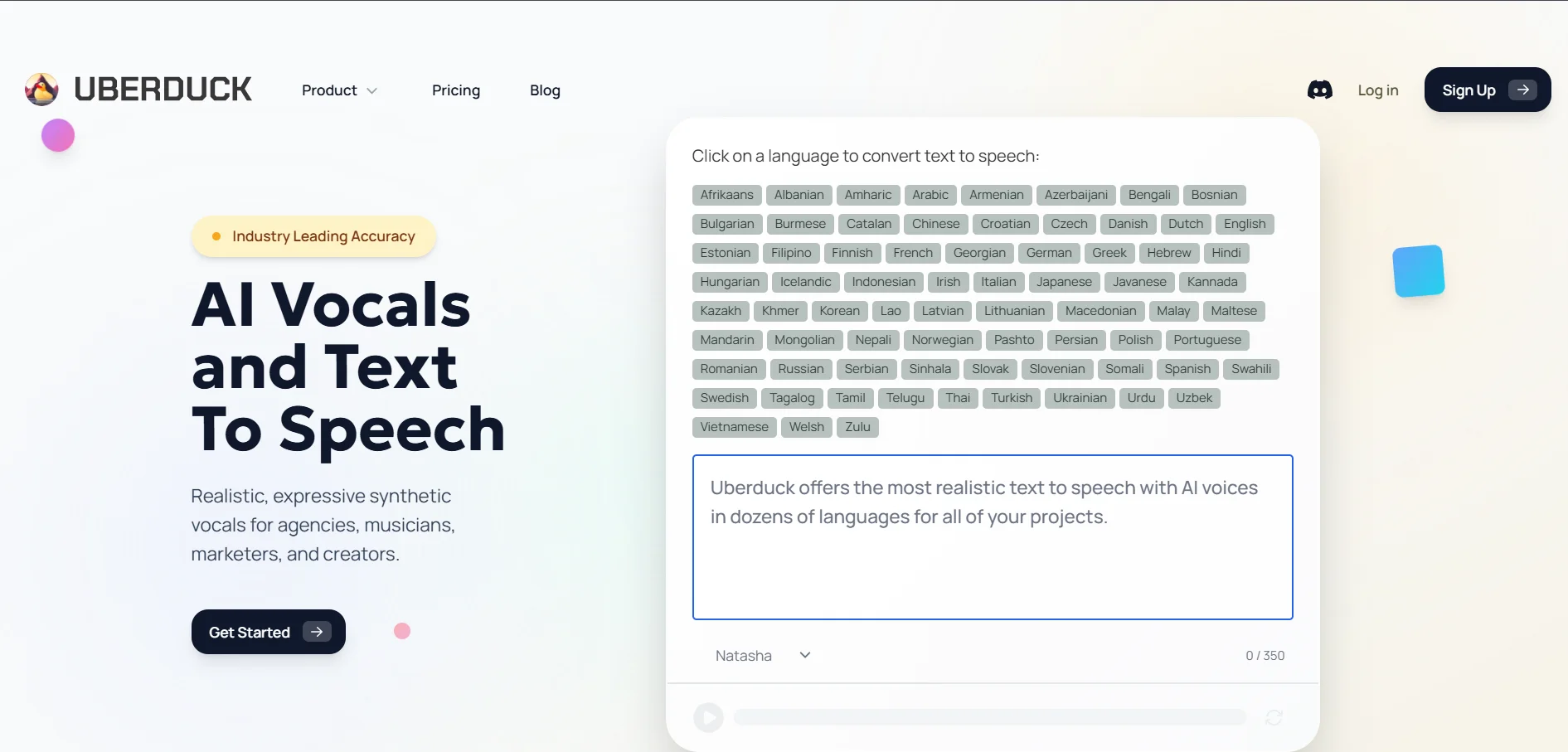
Uberduck built its reputation on meme-style and character voice generation, giving creators access to a huge library of fun, novelty, and pop-culture-inspired AI voices. It’s popular among gaming and streaming communities for parody content, Discord bots, and fan-made character audio, offering a more playful alternative to Murf’s professional-corporate voice library.
Free tier – limited generations
Pro plans – usage-based credits
API access – custom quotesExact current tier pricing should be confirmed on Uberduck’s official site as availability has fluctuated.
Because Uberduck leans into novelty and community-driven voice packs, its pricing model favors casual and hobbyist creators over enterprise buyers. It’s not the tool of choice for polished corporate narration, but it remains one of the most fun, low-commitment ways to experiment with AI voice generation for entertainment projects.
✔ Pros
- Huge library of novelty and character voices
- Popular in gaming and streaming communities
- Low barrier to entry for casual users
✘ Cons
- Not designed for professional business narration
- Service availability has been inconsistent
- Fewer enterprise-grade features
4. Resemble.ai
⚠️ No permanent free tier; pay-as-you-go Flex plan starts at $0 commitment
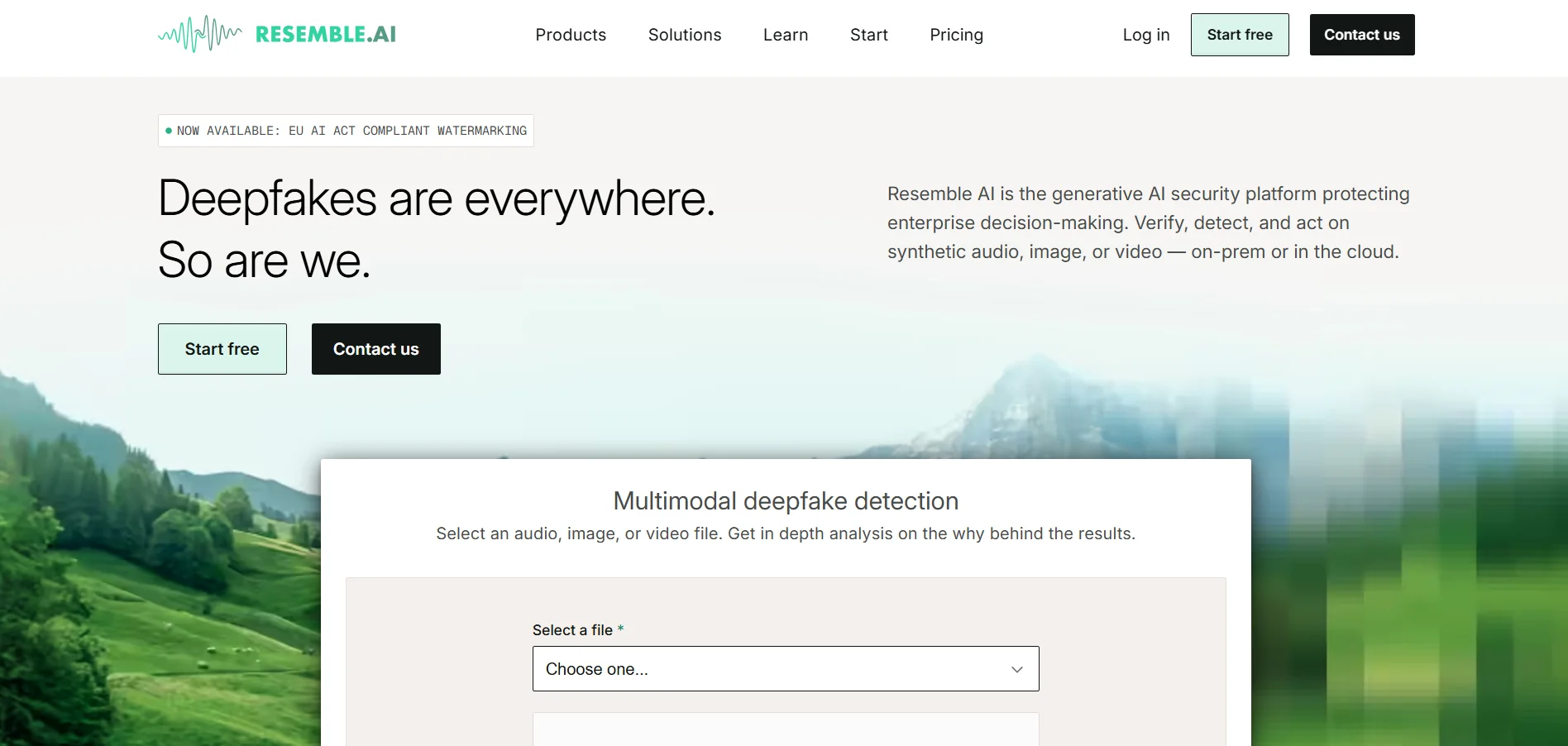
Resemble.ai specializes in voice cloning, real-time speech-to-speech conversion, and deepfake/audio authenticity detection. It’s positioned firmly toward security-conscious enterprises and media companies needing watermarking and voice verification alongside standard text-to-speech, setting it apart from Murf’s more consumer-focused feature set.
Flex (pay-as-you-go) – $0.0005/sec TTS
Voice Agents – $0.001/sec
Team Seats – $20/mo/user
Enterprise – custom, up to 80% volume discount
Resemble’s per-second billing means costs scale directly with usage rather than locking you into a flat monthly fee, which benefits low-volume users but can add up quickly for high-output teams. Its standout features are PerTh audio watermarking and deepfake detection, tools rarely found bundled with standard TTS platforms like Murf.
✔ Pros
- Built-in deepfake detection and watermarking
- Flexible pay-per-use pricing, credits never expire
- Strong real-time speech-to-speech capability
✘ Cons
- No permanent free plan
- Costs can escalate fast at high volume
- Less beginner-friendly than flat-rate competitors
5. WellSaid Labs
✅ Free Trial: 7 days, full studio and API access
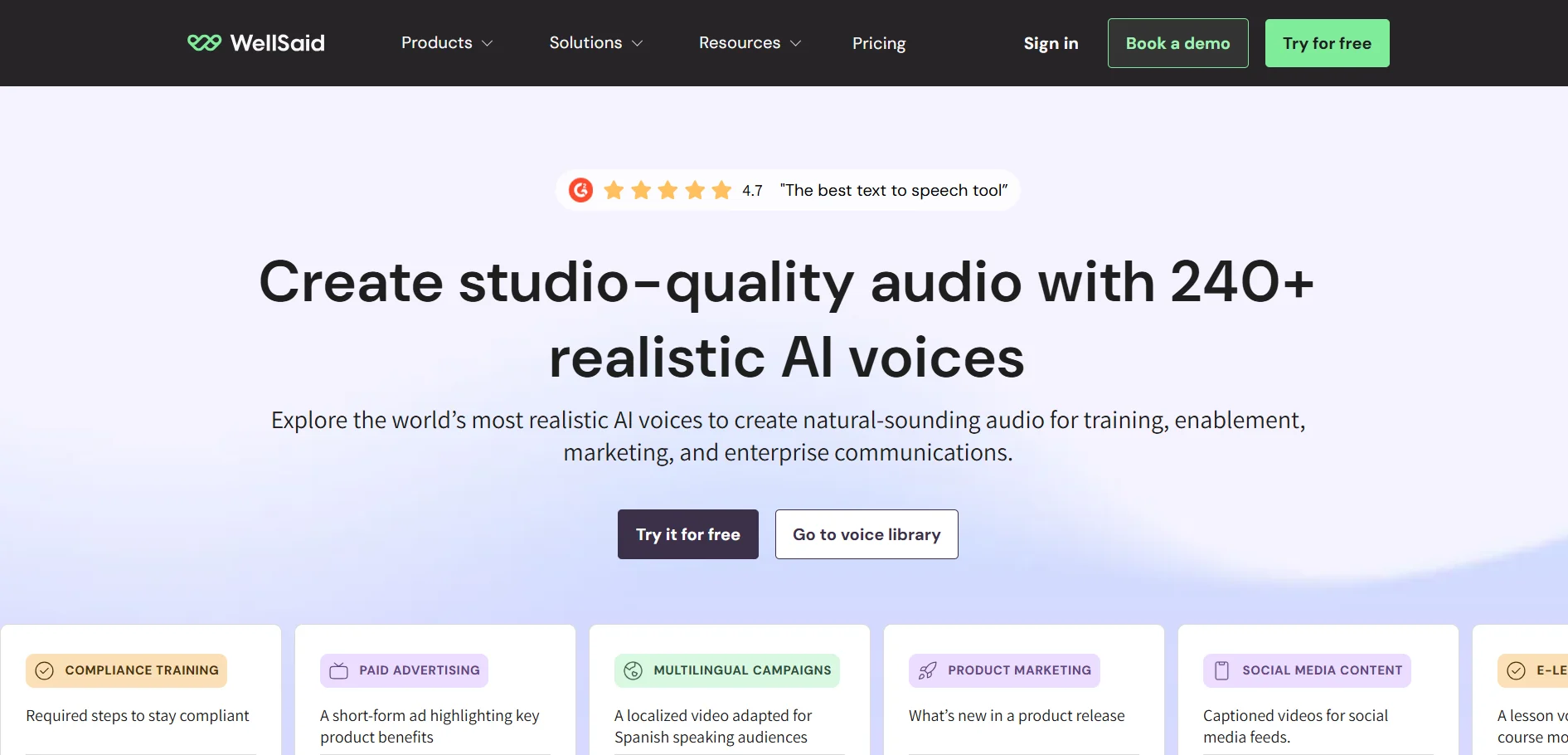
WellSaid Labs focuses on studio-quality, enterprise-ready voice avatars designed for corporate training videos, product demos, and e-learning content. Its respelling and pronunciation tools give users precise control over cadence and emphasis, making it a favorite among businesses that need polished, brand-consistent narration at scale.
Maker – $49/mo
Creative – $99/mo
Business/Team – $179–$249/mo
Enterprise – custom (SSO included)
The seven-day trial allows up to 50 audio files across five projects, though downloads are disabled until you subscribe. Annual billing shaves roughly 10% off monthly rates. WellSaid’s tiered structure rewards larger teams with bulk download allowances and Adobe integrations on higher plans, but commercial usage rights only unlock from the Creative tier upward.
✔ Pros
- Excellent pronunciation and emphasis controls
- Consistent, studio-quality voice output
- Strong fit for corporate/e-learning content
✘ Cons
- No downloads during free trial
- Commercial rights locked behind paid tiers
- Pricier than several competitors at entry level
6. HeyGen
✅ Free Trial: 3 free videos/month, no card required
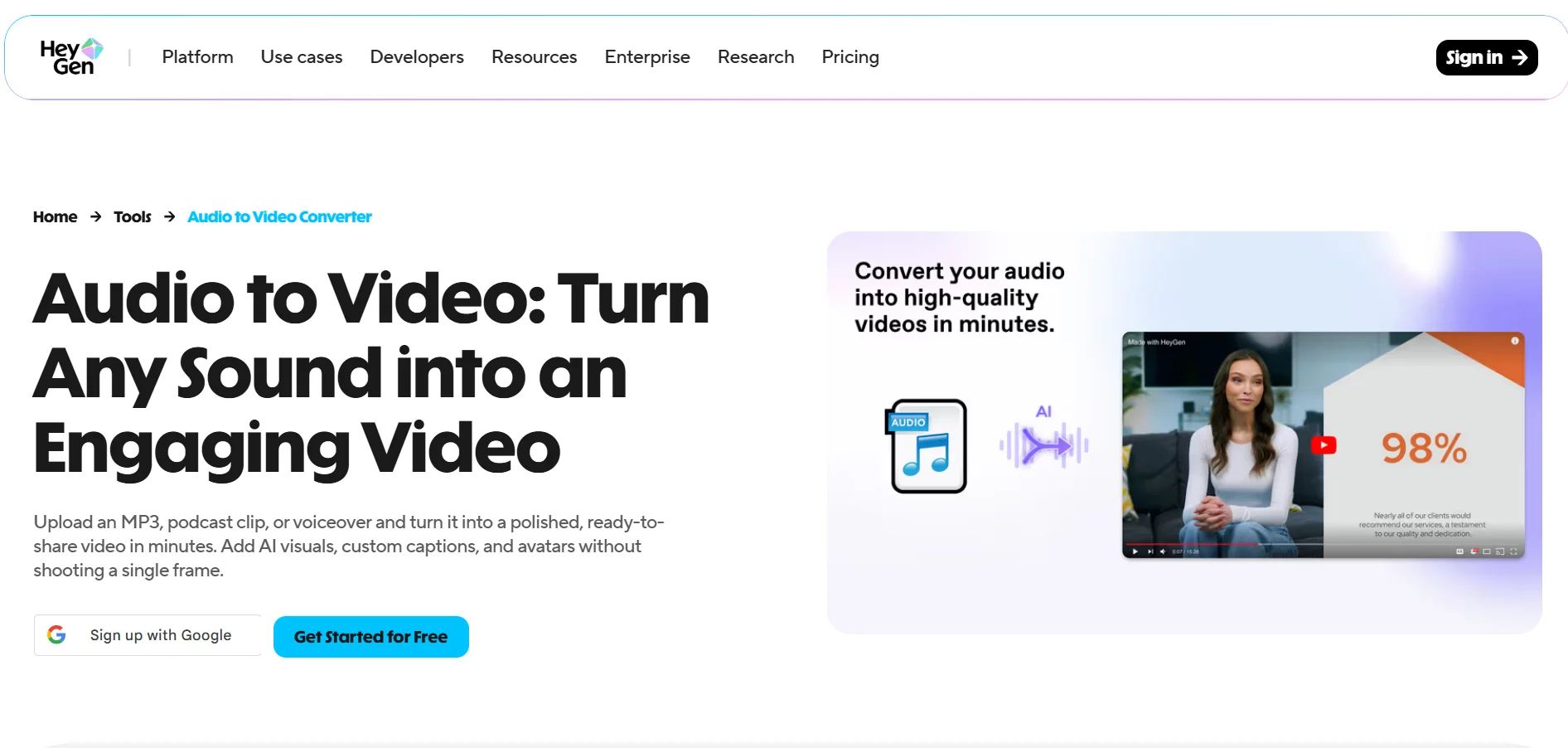
HeyGen is primarily an AI avatar video generator rather than a pure voice tool, letting users pair lifelike talking avatars with AI-generated voiceovers for marketing, training, and localization videos. It has become a go-to Murf alternative for teams who want video and voice combined in a single workflow instead of stitching separate tools together.
Free – $0/mo
Creator – $29/mo
Pro – $49–$99/mo
Business – $149/mo (+$20/seat)
Enterprise – custom
HeyGen’s credit system means Avatar IV and translation features consume credits faster than simple narration, so heavy users often outgrow the Creator plan quickly. Business plans add SSO, 4K export, and multi-seat collaboration, while API usage is billed entirely separately from the web subscription through a prepaid wallet.
✔ Pros
- Combines realistic avatars with AI voice
- Strong for localized, multilingual video content
- Free tier available for testing
✘ Cons
- Credits deplete quickly with premium avatar features
- Extra seats add up fast for teams
- API billing is separate and can surprise buyers
7. BookFab
⚠️ One-time purchase model; limited trial via demo voices
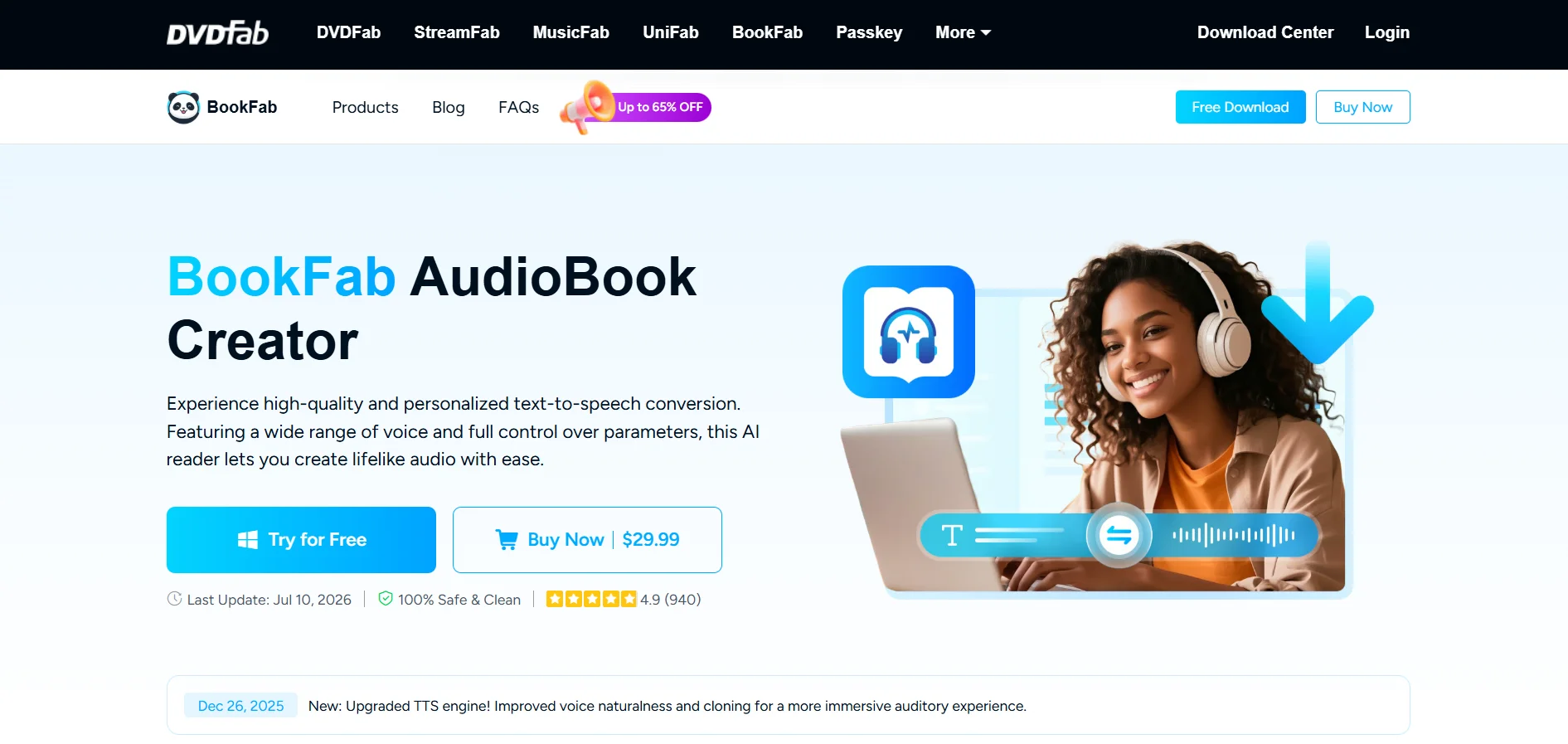
BookFab is an all-in-one eBook and audiobook converter that generates AI narration directly from TXT and EPUB files, exporting to MP3, OPUS, or M4B formats. It’s built specifically for authors and publishers who want to turn manuscripts into audiobooks without hiring a professional narrator, offering more than 20 AI voice presets plus voice cloning.
One-time software license – $59.99
20+ built-in voice presets included
Unlike most subscription-based competitors, BookFab uses a one-time payment model, which can be more economical for authors producing occasional titles rather than continuous content. However, it currently supports only English and Japanese, and requires a live internet connection for text-to-audio conversion despite being installed desktop software.
✔ Pros
- One-time payment, no recurring subscription
- Purpose-built for audiobook and eBook conversion
- Includes voice cloning feature
✘ Cons
- Only supports English and Japanese
- Requires internet connection to function
- Desktop-only, no cloud collaboration
8. ElevenLabs
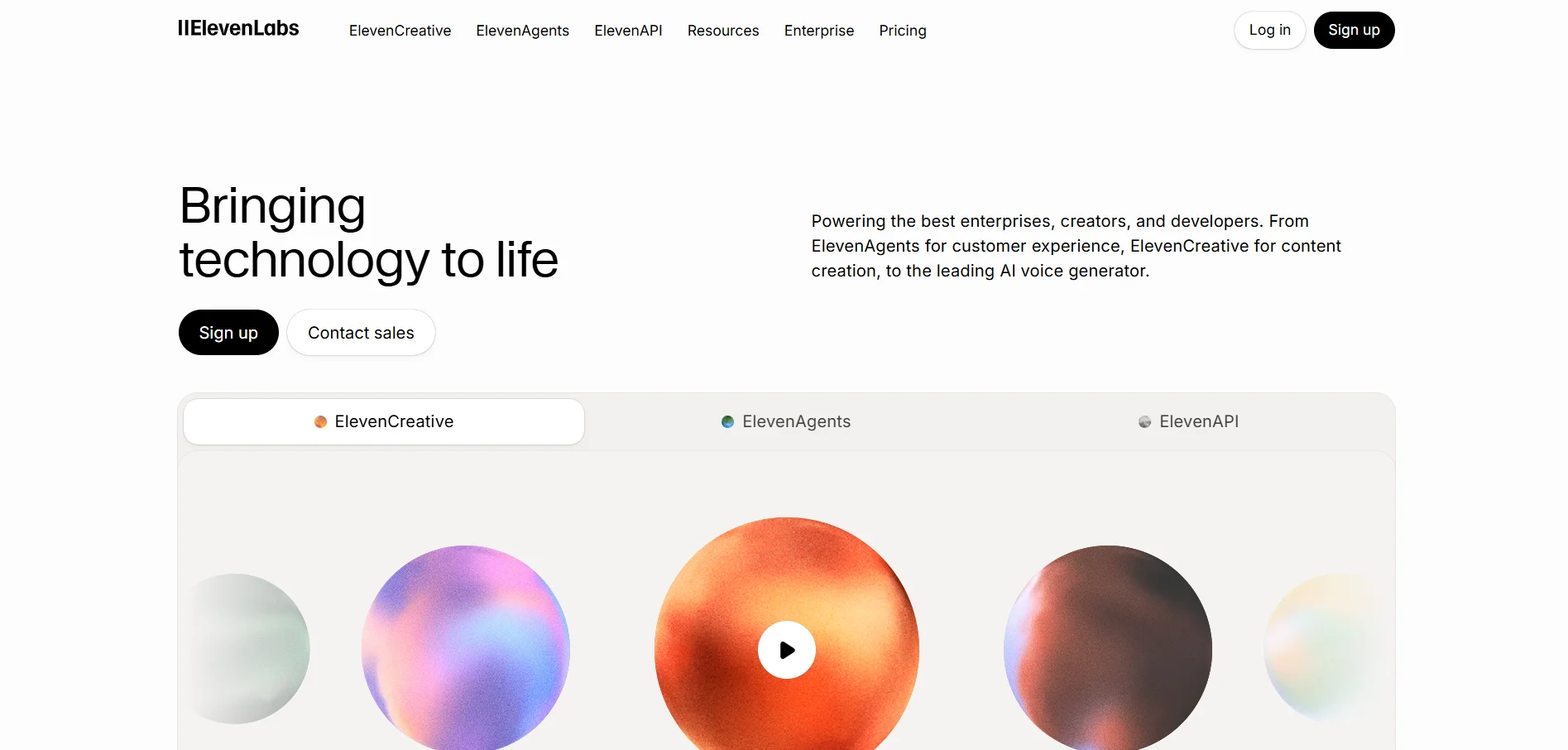
✅ Free Trial: Free plan with 10,000 credits/month
ElevenLabs is widely regarded as the industry leader in natural-sounding AI voice synthesis, offering advanced voice cloning, dubbing, and conversational AI agents. Its Multilingual v2 and Flash models deliver some of the most lifelike emotional narration available, making it a top pick for podcasters, audiobook creators, and video producers who prioritize voice realism.
Free – $0/mo
Starter – $5–$6/mo
Creator – $22/mo
Pro – $99/mo
Scale – $299/mo
Business – $990/mo
ElevenLabs uses a credit system rather than flat character limits, with roughly one credit per character on standard models and more efficient rates on Flash. While the Free plan lacks commercial rights, Creator and above unlock professional voice cloning, and unused credits roll over for up to two months, giving flexibility for uneven monthly usage.
✔ Pros
- Industry-leading voice realism and emotion
- Generous free tier to test quality
- Credits roll over for up to two months
✘ Cons
- Pricing can escalate quickly at scale
- Free plan excludes commercial usage rights
- Credit system can be confusing for new users
9. iSpeech
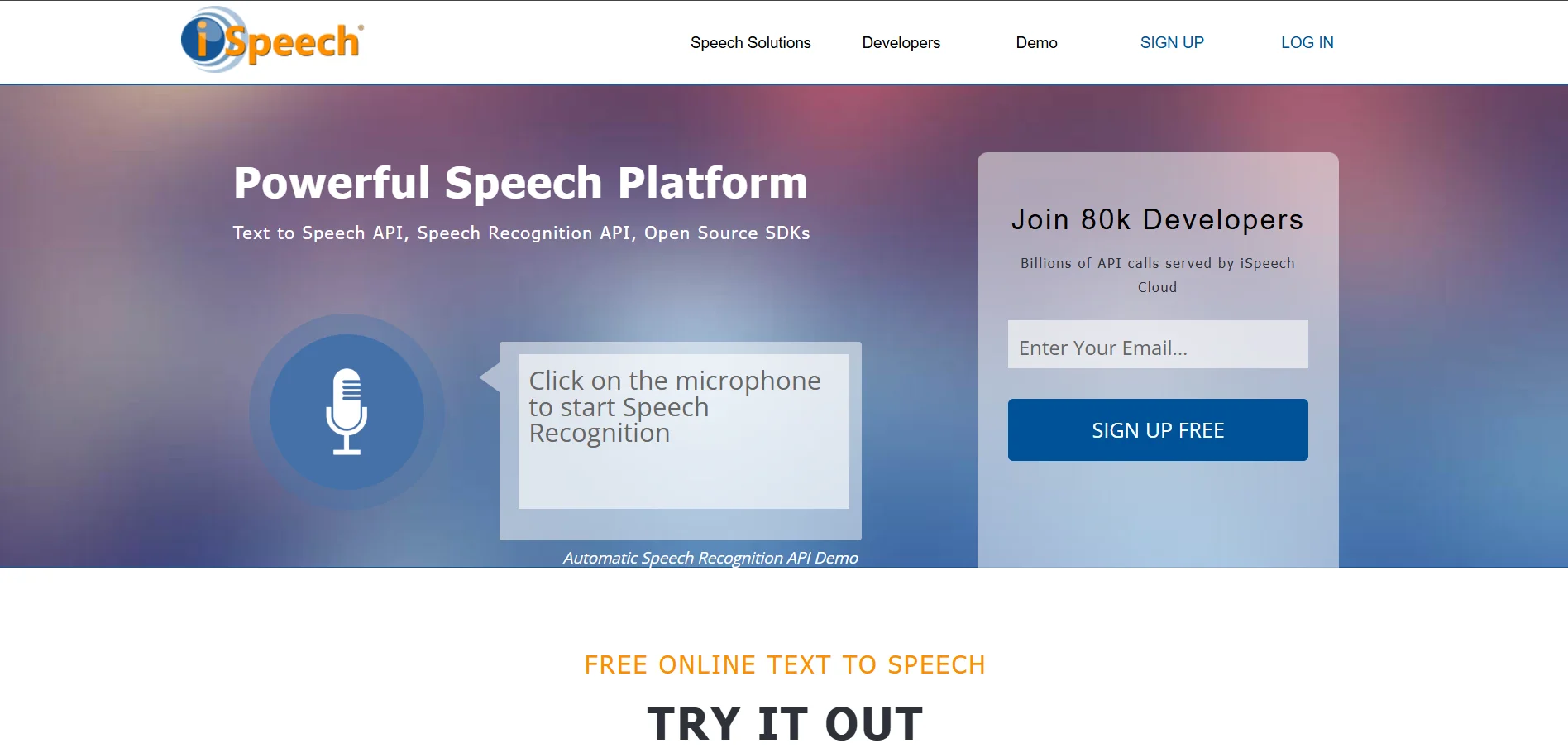
✅ Free Trial: Free tier available for testing
iSpeech is a long-standing text-to-speech and speech recognition provider offering both an API/SDK for developers and a simple web-based converter. It’s a solid, no-frills alternative to Murf for businesses needing straightforward TTS integration into apps, IVR systems, or accessibility tools without the complexity of advanced voice cloning platforms.
Free tier – limited usage
Developer plans – tiered by volume
Enterprise/custom API pricing availableCheck iSpeech.org for current tier rates.
iSpeech’s strength lies in its API-first approach, giving developers a straightforward path to embed TTS and ASR (speech recognition) directly into products. It lacks the expressive, emotion-driven voice quality of newer platforms like ElevenLabs, but remains a dependable, budget-conscious choice for functional, utilitarian voice needs.
✔ Pros
- Simple, developer-friendly API and SDK
- Offers both TTS and speech recognition
- Budget-friendly for basic integrations
✘ Cons
- Voice quality lags behind newer AI platforms
- Less suited for expressive, creative content
- Interface feels dated compared to competitors
10. Speechify
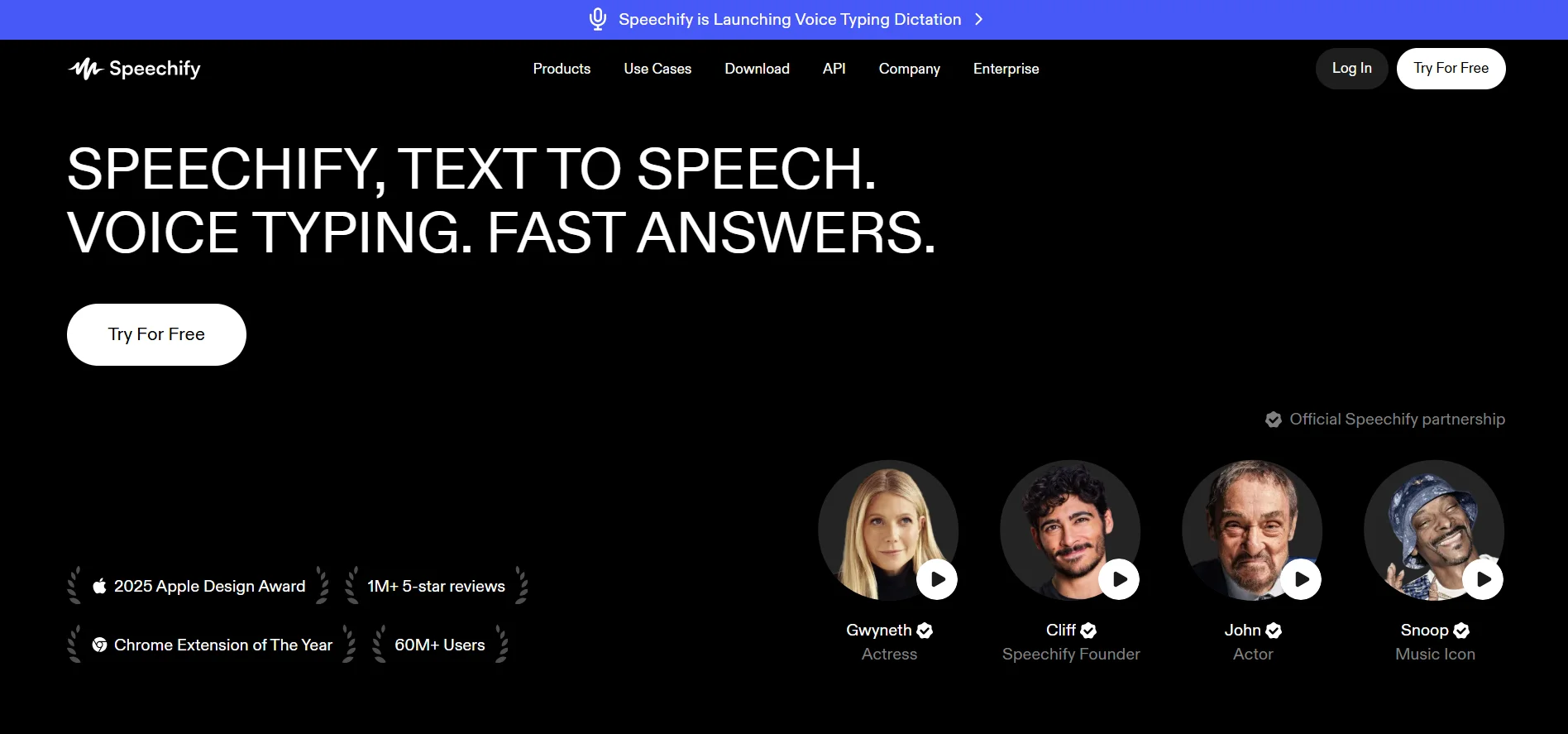
✅ Free Trial: Free plan with 10 voices available
Speechify is best known as a text-to-speech reading app rather than a voiceover production tool, letting users listen to articles, PDFs, and books at speeds up to 4.5x. It has expanded into AI podcasts, voice typing, and a Studio product for creators, making it a versatile alternative for both content consumption and light content creation.
Free – $0/mo
Premium – $29/mo ($139/yr annual)
Studio Starter – $19/mo
Studio Creator – $49/mo
Speechify’s Premium plan unlocks over 200 natural voices, 60+ languages, and offline listening, while the newer Studio tiers target creators wanting production-grade voiceovers instead of read-aloud functionality. It’s an especially strong pick for students and professionals who consume large volumes of written content daily.
✔ Pros
- Excellent for reading and content consumption
- 200+ voices and 60+ language support
- Reasonable annual pricing
✘ Cons
- Less focused on professional voiceover production
- Free plan has limited voice selection
- Studio features are newer and less mature
11. Noiz.ai
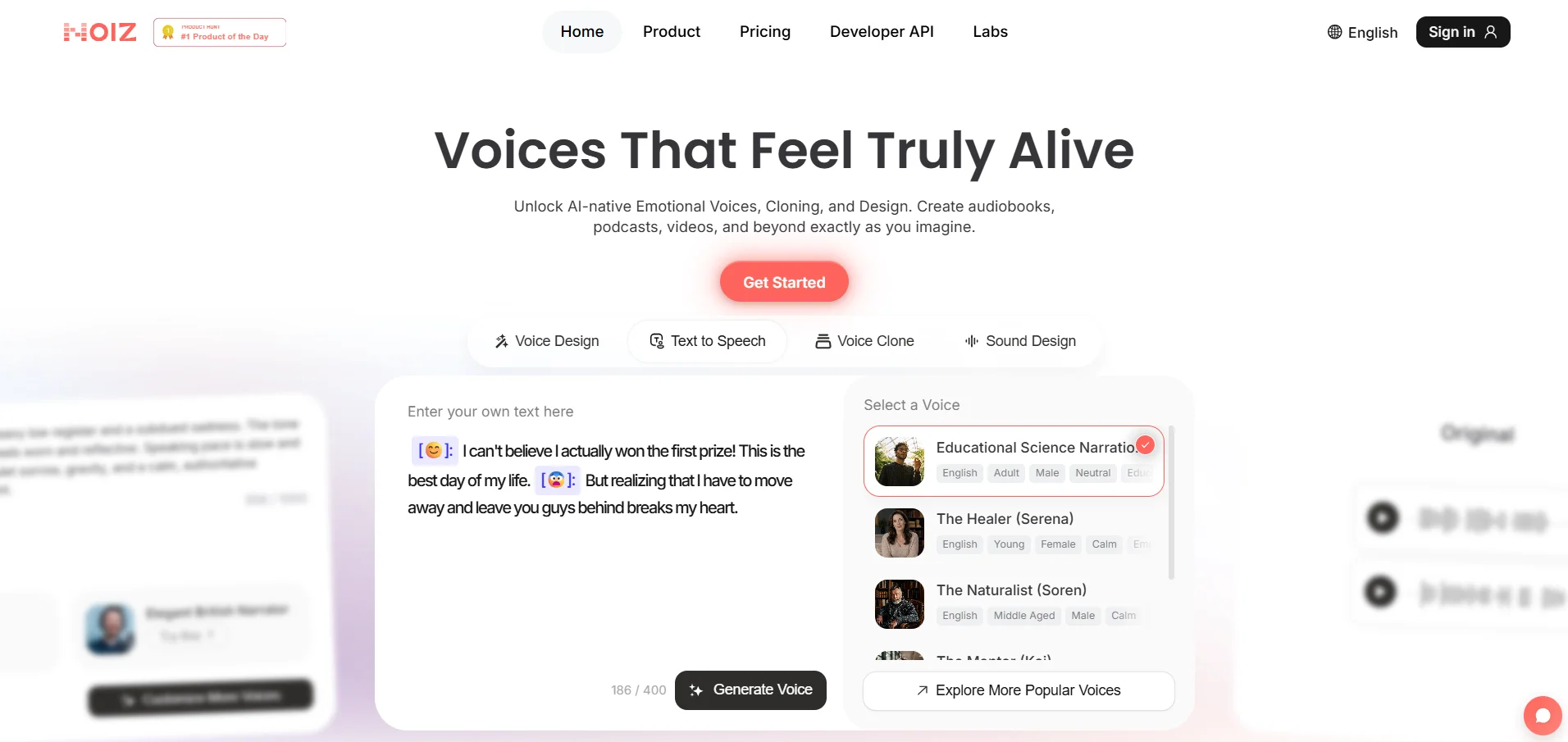
⚠️ Free trial availability varies; check official site
Noiz.ai is an emerging AI voice and audio platform aimed at creators looking for quick, affordable voiceover generation without the steep learning curve of enterprise tools. It typically appeals to indie creators, small marketing teams, and social media producers who need fast turnaround voice content on a limited budget.
Free/trial tier – limited credits
Paid subscription tiers – usage-basedPricing structure is smaller-scale; confirm current rates on Noiz.ai’s official pricing page.
As a newer entrant compared to established names like ElevenLabs or Murf, Noiz.ai’s pricing tends to be more accessible for small-scale projects, though it lacks the extensive language libraries and enterprise integrations of larger platforms. It’s best suited as a lightweight, budget alternative rather than a full production replacement.
✔ Pros
- Budget-friendly for small creators
- Simple, fast voice generation workflow
- Good entry point for beginners
✘ Cons
- Smaller voice library than major competitors
- Less brand recognition and community support
- Enterprise-grade features are limited
Comparison Table
| Alternative | Description |
|---|---|
| Minimax | Enterprise-grade multilingual voice synthesis with instant cloning and affordable subscription tiers. |
| Supertone Play | Hyperrealistic, emotionally expressive TTS focused on Korean, Japanese, and English markets. |
| Uberduck | Novelty and character-based AI voice generator popular in gaming and streaming communities. |
| Resemble.ai | Voice cloning and deepfake detection platform with per-second, pay-as-you-go pricing. |
| WellSaid Labs | Studio-quality corporate voice avatars built for training, e-learning, and business content. |
| HeyGen | AI avatar video generator that pairs talking avatars with synthetic voiceovers. |
| BookFab | One-time-purchase eBook-to-audiobook converter with built-in AI narration and cloning. |
| ElevenLabs | Industry-leading realistic voice synthesis with advanced cloning and dubbing tools. |
| iSpeech | Developer-focused TTS and speech recognition API for simple app integrations. |
| Speechify | Text-to-speech reading app for consuming articles, PDFs, and books at high speed. |
| Noiz.ai | Budget-friendly, beginner-focused AI voice generation tool for small creators. |
Conclusion
Choosing the right Murf.AI alternative ultimately comes down to your specific use case and budget. If you need enterprise-grade realism and dubbing, ElevenLabs or Resemble.ai stand out. For corporate training and e-learning, WellSaid Labs offers precision and control. Creators focused on video content will find HeyGen’s avatar-voice combo hard to beat, while authors converting manuscripts into audiobooks may prefer BookFab’s one-time pricing.
Meanwhile, budget-conscious users and casual creators can explore Minimax, Speechify, iSpeech, Noiz.ai, or Uberduck without committing to expensive subscriptions. Before you decide, take advantage of the free trials listed above, compare actual output quality with your own scripts, and match the pricing tier to your real monthly usage rather than paying for capacity you won’t use.


