

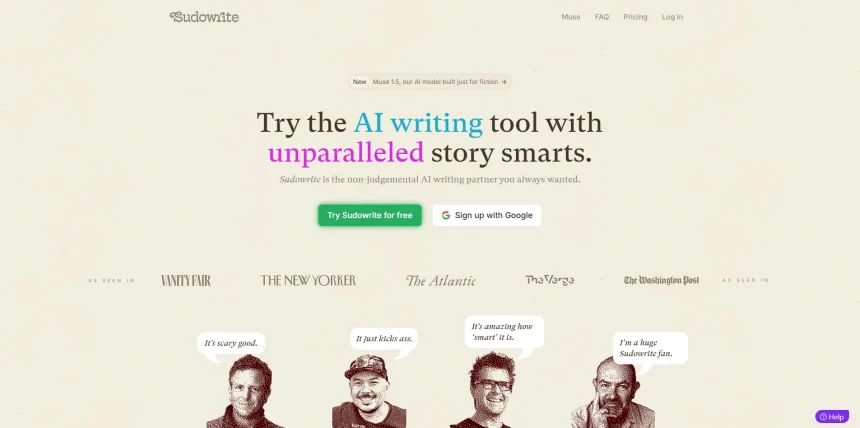
Sudowrite has long been a favorite among fiction writers for its story-focused AI tools, but it isn’t the only option on the market anymore. Whether you’re a novelist, screenwriter, or content creator, dozens of AI writing platforms now offer comparable or specialized features at different price points. Some focus on screenwriting, others on outlining, dialogue, or general-purpose content generation. This guide breaks down 10 Sudowrite Alternatives, covering their free trials, pricing plans, and the pros and cons of each. Whether you need a tool for scriptwriting, story planning, or AI-assisted prose, there’s likely an option here that fits your workflow and budget better than Sudowrite does.
1. Studiovity
✅ Free Trial Available (7 Days)
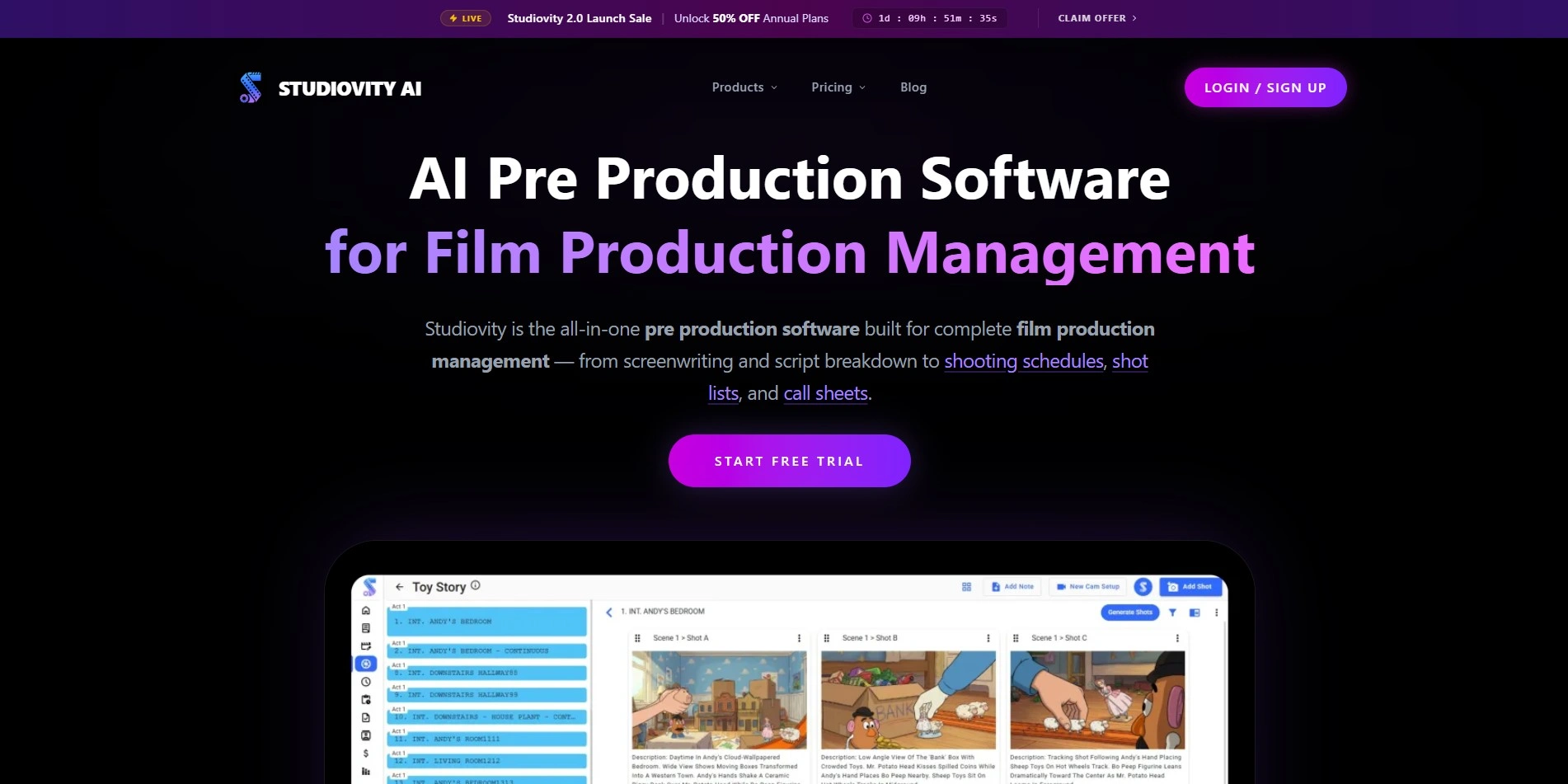
Studiovity is an AI-powered screenwriting and pre-production platform used by major studios including Netflix and Disney+. It automatically formats scripts to industry standards while offering an Act Structure Board for organizing plot points and scenes visually. Real-time collaboration lets writers, directors, and producers work on the same script simultaneously without losing version history.
Beyond screenwriting, Studiovity extends into full production management with tools for script breakdown, shot lists, storyboarding, and budgeting. This makes it more comprehensive than Sudowrite for filmmakers who need to move from script to screen. However, its film-industry focus means novelists and general fiction writers won’t find as much direct value in its specialized production tools.
Pros
- Very affordable entry-level pricing
- Real-time collaboration for teams
- Covers full pre-production workflow
- Used by major studios worldwide
Cons
- 7-day trial felt short by some users
- Geared toward film/TV, not novels
- Limited tutorials and documentation
2. Google Gemini

✅ Free Tier Available (No Trial Needed)
Google Gemini is a general-purpose AI assistant capable of brainstorming plots, rewriting scenes, and generating dialogue much like Sudowrite’s story tools. Its large context window makes it well-suited for handling long manuscripts, and it integrates directly with Google Docs, Sheets, and other Workspace apps that many writers already use daily.
Because Gemini isn’t purpose-built for fiction writing, it lacks Sudowrite’s specialized story bible and canvas features. Still, its free tier and low-cost Pro plan make it a budget-friendly way to get AI assistance for outlining, character development, and editing without committing to a niche writing subscription.
Pros
- Free tier with generous access
- Massive context window for long manuscripts
- Deep integration with Google Workspace
- Affordable Pro tier at $19.99/month
Cons
- No dedicated fiction-writing interface
- Lacks story bible or canvas tools
- Higher tiers can get expensive fast
3. Plottr

✅ Free Trial Available
Plottr is a visual story-planning tool built for novelists, screenwriters, and academic writers who want to organize plots, timelines, and character arcs before drafting. It comes with 30+ proven story templates, including the hero’s journey, and supports series-level tracking across multiple books, which Sudowrite doesn’t offer natively.
Unlike Sudowrite, Plottr isn’t focused on generating prose with AI; it’s strictly an outlining and organization tool that exports to Word or Scrivener for the actual writing. This makes it a strong companion tool rather than a direct AI-writing replacement, ideal for pantsers and plotters who need structure before they draft.
Pros
- One-time lifetime purchase option
- Excellent visual timeline and outlining
- 30+ built-in story structure templates
- Exports cleanly to Word and Scrivener
Cons
- No AI text generation included
- Mobile access requires extra cost
- Learning curve for new users
4. Highland 2
✅ Free Trial Available
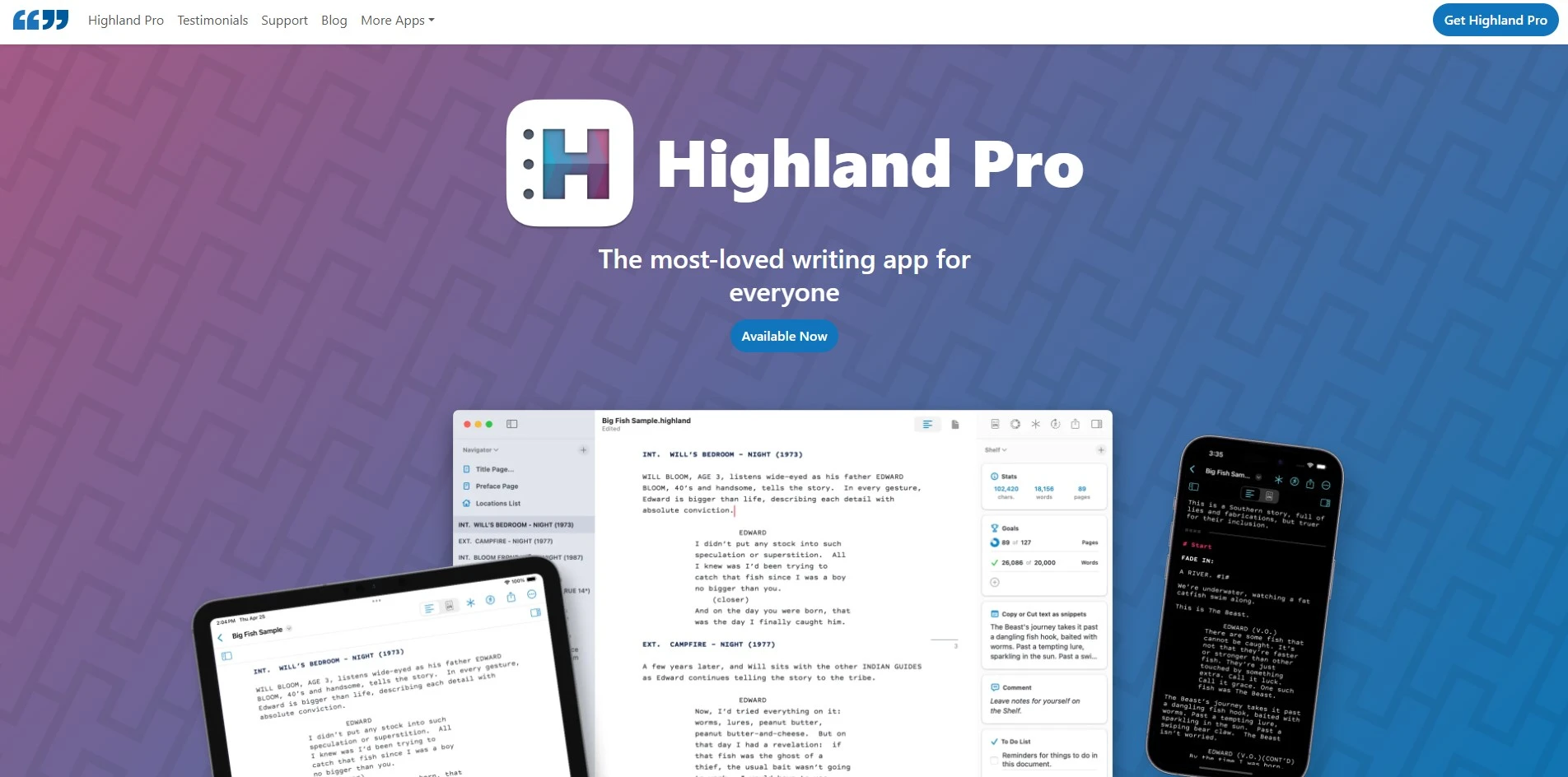
Highland 2 is a distraction-free screenwriting app built around the Fountain plain-text markup language, which auto-formats scripts as you type without any menus or fuss. It’s designed by working screenwriters for screenwriters, focusing purely on clean writing rather than AI-assisted brainstorming or story generation.
Because Highland 2 doesn’t include built-in AI writing features, it’s less of a direct AI competitor to Sudowrite and more of an alternative for writers who prefer minimalist, distraction-free tools. It’s a strong pick for those who want reliable formatting without subscription fees or AI dependency.
Pros
- One-time purchase, no subscription
- Clean, distraction-free writing interface
- Fountain markup auto-formats scripts
- Mac-native performance and design
Cons
- No built-in AI writing assistance
- Mac and iOS only, no Windows version
- Limited collaboration features
5. Claude
✅ Free Tier Available (No Trial Needed)
Claude, developed by Anthropic, is known for strong long-form writing, nuanced character voice, and large context windows that let it track an entire novel’s worth of detail in one conversation. Writers use it for drafting scenes, refining dialogue, brainstorming plot twists, and getting detailed feedback on tone and pacing.
While Claude isn’t a dedicated fiction-writing platform like Sudowrite, its conversational flexibility means it can handle outlining, editing, and prose generation all in one place. Writers who want a general AI assistant without paying for a niche writing subscription often find Claude’s free and Pro tiers more than sufficient.
Pros
- Excellent at long-form, nuanced prose
- Large context window for full manuscripts
- Affordable $20/month Pro tier
- Strong reasoning for plot consistency
Cons
- No dedicated story bible interface
- Free tier has usage caps
- Not purpose-built for screenwriting format
6. Mugafi
✅ Free Plan Available
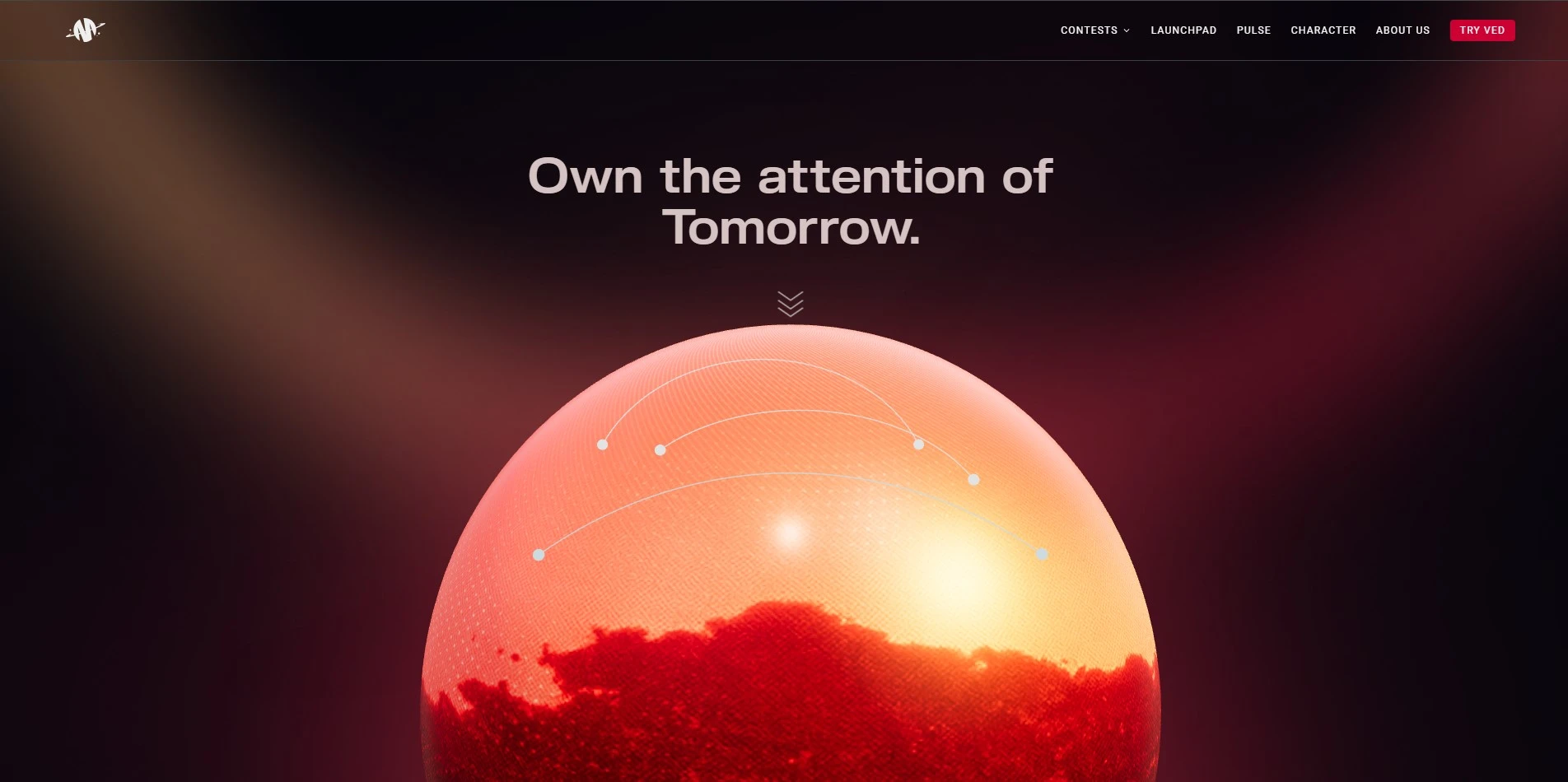
Mugafi is an AI-powered screenwriting and storytelling platform tailored specifically for Indian film and OTT content creators. Its Ved AI assistant helps with research, scene rewriting, dialogue expansion, and script scoring, while also supporting multiple Indian languages and regional storytelling formats that most Western tools ignore.
What sets Mugafi apart from Sudowrite is its deep localization for Bollywood, Tollywood, and regional Indian cinema, plus a built-in community of mentors and writing contests. This makes it especially valuable for writers targeting the Indian entertainment industry rather than English-language fiction or Western screenwriting markets.
Pros
- Free tools for new screenwriters
- Supports multiple Indian languages
- Community mentorship and contests
- Script scoring and analytics built-in
Cons
- Premium pricing not fully transparent
- Niche focus on Indian storytelling
- Less useful for novel-length fiction
7. Copy.ai
✅ Free Forever Plan Available
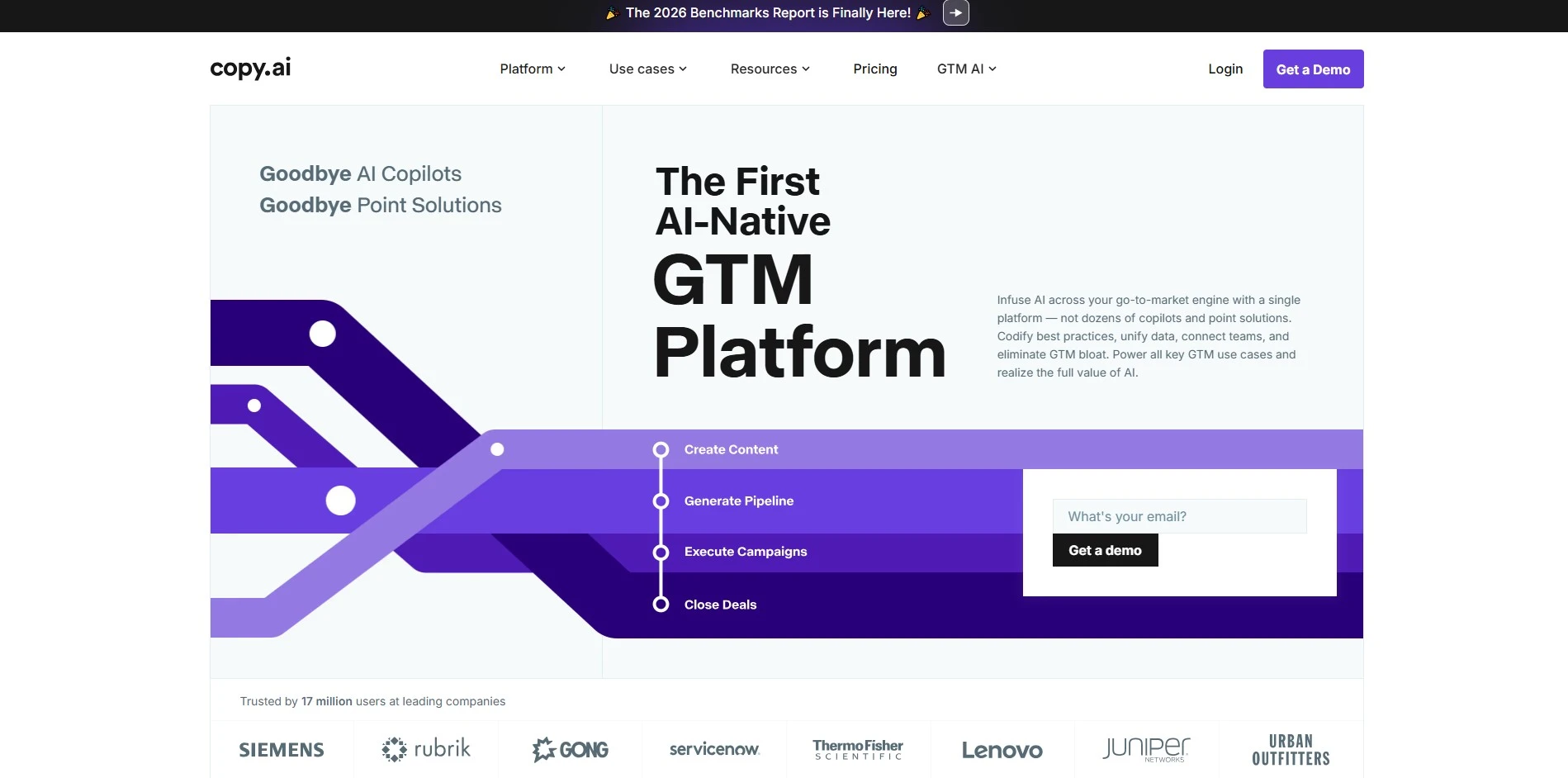
Copy.ai started as a marketing copywriting tool but has expanded into a broader AI content and workflow platform, supporting blog posts, emails, and short-form creative writing. Its free plan is genuinely usable, not just a demo, offering 2,000 words per month and access to dozens of templates for quick content generation.
Compared to Sudowrite, Copy.ai is less specialized for fiction and more oriented toward marketing and business content, though its Chat feature can still help brainstorm story ideas or dialogue. Writers looking for a flexible, budget-friendly AI writer outside the fiction niche may find real value here.
Pros
- Genuinely usable free-forever plan
- 90+ templates for varied content types
- Unlimited words on paid Pro tier
- Multi-model AI support (GPT, Claude, Gemini)
Cons
- Not built specifically for fiction writing
- Team/Enterprise pricing jumps steeply
- Best features locked behind paid tiers
8. Arc Studio Pro
✅ Free 7-Day Pro Trial
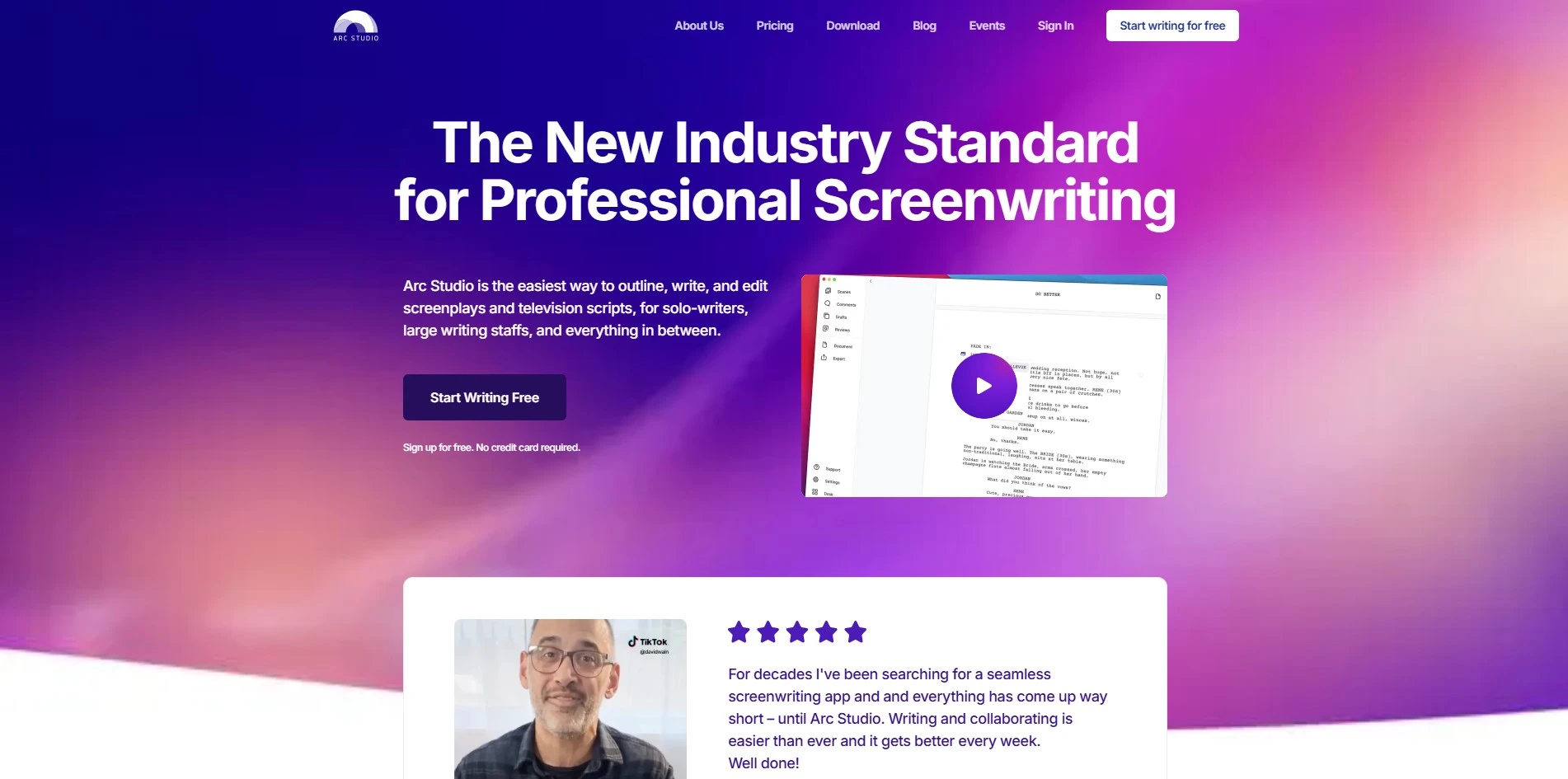
Arc Studio Pro is a modern, cloud-based screenwriting app that supports real-time collaboration, offline access, and automatic industry-standard formatting. It includes a beat board for structuring stories, a character generator, and revision tracking, giving screenwriters a complete toolkit without needing a separate outlining app.
Where Arc Studio Pro differs from Sudowrite is its singular focus on screenplay formatting and structure rather than AI-generated prose or story expansion. It’s a great fit for screenwriters who want reliable, affordable software with collaboration built in, rather than an AI co-writer for generating new content.
Pros
- Affordable annual pricing under $100
- Real-time collaborative screenwriting
- Free plan available with no credit card
- Offline access across multiple devices
Cons
- No AI-generated prose or brainstorming
- Annual-only billing, no monthly option
- Screenwriting only, not for novels
9. Jasper AI
✅ 7-Day Free Trial
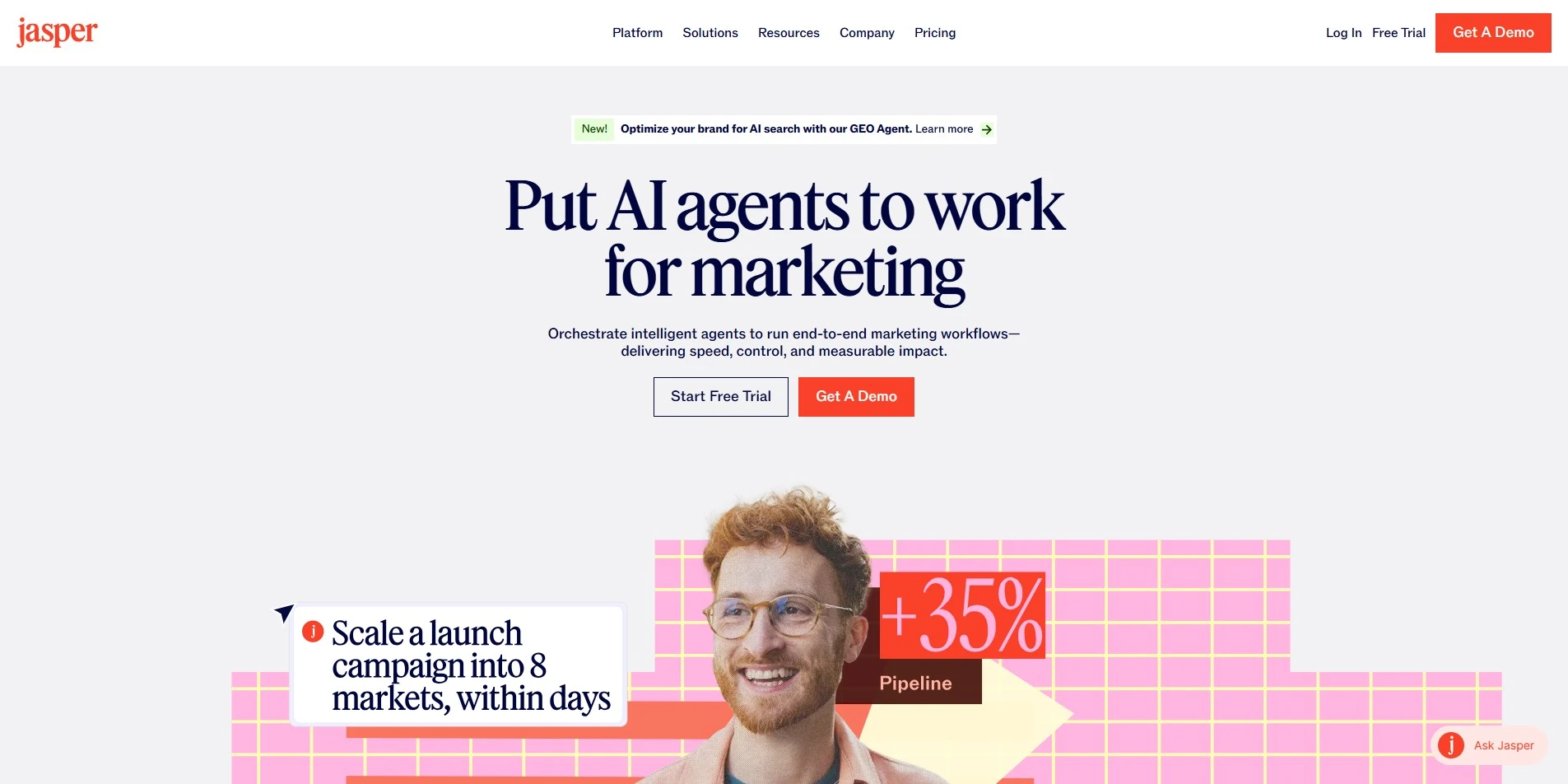
Jasper AI has evolved from a simple copywriting tool into a full marketing content platform, offering brand voice training, a Canvas editor for long-form writing, and dozens of templates for blogs, ads, and emails. Its Campaign mode can turn one brief into multiple coordinated content pieces automatically.
Jasper is priced higher than most alternatives on this list and leans heavily toward marketing and business content rather than fiction. Writers seeking Sudowrite-style story tools may find Jasper’s feature set less relevant, though its brand voice and long-form editor can still support blog-style creative writing projects.
Pros
- Unlimited word generation on paid plans
- Strong brand voice customization
- Canvas editor for long-form content
- Campaign mode for multi-format output
Cons
- Pricier than most alternatives here
- No permanent free plan available
- Geared toward marketing, not fiction
10. DialogueGenie
✅ Free to Use (Limited Features)
DialogueGenie-style tools specialize narrowly in one of the hardest parts of creative writing: crafting natural, character-driven conversations. Writers input character profiles, scene context, and goals, and the AI generates back-and-forth dialogue reflecting distinct personalities, tone, and subtext rather than generic chatter.
Compared to Sudowrite’s broader story-generation suite, dialogue-specific tools are narrower in scope but excel at solving writer’s block in conversation-heavy scenes. They work best as a supplementary tool alongside a full manuscript editor rather than as a standalone writing platform for entire novels or scripts.
Pros
- Free basic access with no signup
- Great for beating dialogue writer’s block
- Captures distinct character voices well
- Fast, focused output for single scenes
Cons
- Very narrow feature scope
- Premium modes not always clearly priced
- No full manuscript or outlining support
| Alternative | Description |
|---|---|
| Studiovity | AI-powered screenwriting and pre-production platform used by major studios, covering scripts, budgeting, and scheduling. |
| Google Gemini | General-purpose AI assistant with a free tier, large context window, and deep Google Workspace integration. |
| Plottr | Visual story-planning and outlining tool with templates, timelines, and series tracking for novelists and screenwriters. |
| Highland 2 | Minimalist Fountain-based screenwriting app with a one-time purchase and distraction-free interface. |
| Claude | Anthropic’s AI assistant known for nuanced long-form writing, large context windows, and affordable Pro pricing. |
| Mugafi | AI screenwriting platform localized for Indian cinema, offering free tools, mentorship, and writing contests. |
| Copy.ai | Marketing-focused AI content platform with a genuine free-forever plan and flexible template library. |
| Arc Studio Pro | Cloud-based collaborative screenwriting software with affordable annual pricing and offline access. |
| Jasper AI | Premium marketing content platform with brand voice training and a long-form Canvas editor. |
| DialogueGenie | Specialized AI tool focused solely on generating natural, character-driven dialogue for scenes. |
Conclusion
Sudowrite remains a solid choice for fiction writers, but it’s far from the only option available in 2026. Tools like Plottr and Arc Studio Pro excel at structure and formatting, while Claude and Google Gemini offer flexible, general-purpose AI writing at competitive prices. Niche tools like Mugafi and DialogueGenie serve specific creative needs that broader platforms often overlook.
The right alternative ultimately depends on your genre, budget, and workflow. Screenwriters may lean toward Studiovity or Highland 2, novelists might prefer Plottr paired with Claude, and marketers exploring creative content could find Copy.ai or Jasper AI more practical. Testing free trials before committing is the smartest way to find your best fit.


