

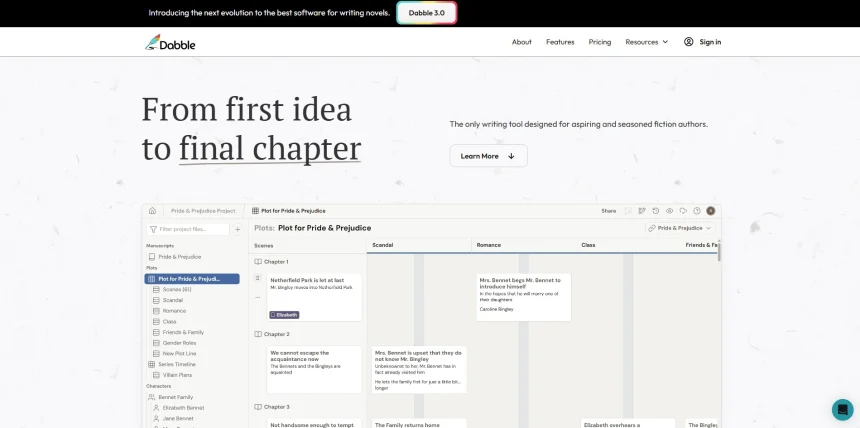
Dabble has earned a loyal following among novelists for its clean, distraction-free writing environment and story organization tools. But it is not the only option on the market, and depending on your genre, budget, or need for AI assistance, another platform might serve you better. This article has 11 Dabble Alternatives, covering their free trials, pricing plans, and the pros and cons that matter most to writers. Each entry gives you enough detail to decide whether it deserves a spot in your writing toolkit, without wading through marketing fluff or vague feature lists.
Jasper AI
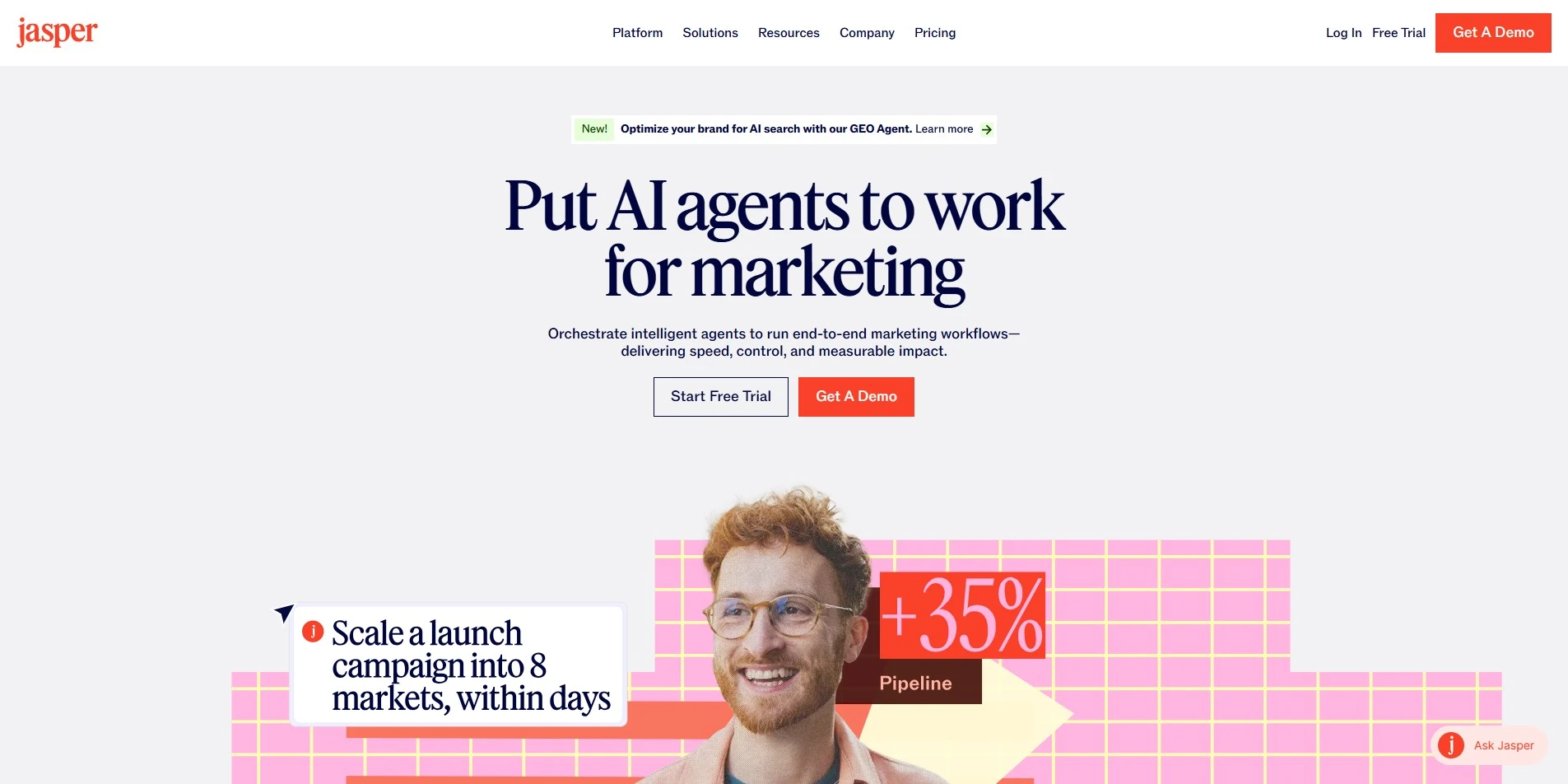
Jasper AI has grown into a full marketing content hub rather than a pure novel-writing tool. It generates blog posts, marketing copy, and long-form drafts using customizable brand voices. For fiction writers, it can help brainstorm plot ideas or draft scenes, though its core strength remains structured business and marketing writing rather than deep narrative development.
The interface uses a Canvas system alongside Essential Apps for different content types, and it supports team collaboration for larger content operations. While it is not built specifically for novelists like Dabble is, its flexibility across content types makes it appealing to writers who also produce marketing materials, newsletters, or website copy alongside creative work.
Pros
- Strong for marketing and business content
- Customizable brand voice tools
- Team collaboration features
- Unlimited word generation on Pro plan
Cons
- Expensive compared to fiction-specific tools
- Not tailored for long-form novel structuring
- Trial requires a credit card upfront
- Business pricing lacks transparency
ChatGPT

ChatGPT is a general-purpose AI assistant that many writers use informally for brainstorming, outlining, and drafting scenes. It lacks Dabble’s dedicated plot boards and character trackers, but its conversational flexibility means it can adapt to almost any writing task, from dialogue polishing to structural feedback on a chapter.
Because it is not built specifically for novel-length projects, writers often need external tools to keep track of story structure and continuity. Still, its affordability and constant model upgrades make it a popular supplementary tool, even for writers who rely on Dabble or similar software as their primary workspace.
Pros
- Affordable entry-level pricing
- Extremely versatile for brainstorming
- Frequent model improvements
- Works well alongside other writing software
Cons
- No dedicated novel-organization features
- Free tier has restrictive message limits
- Higher tiers get expensive quickly
- Requires manual continuity tracking
Final Draft
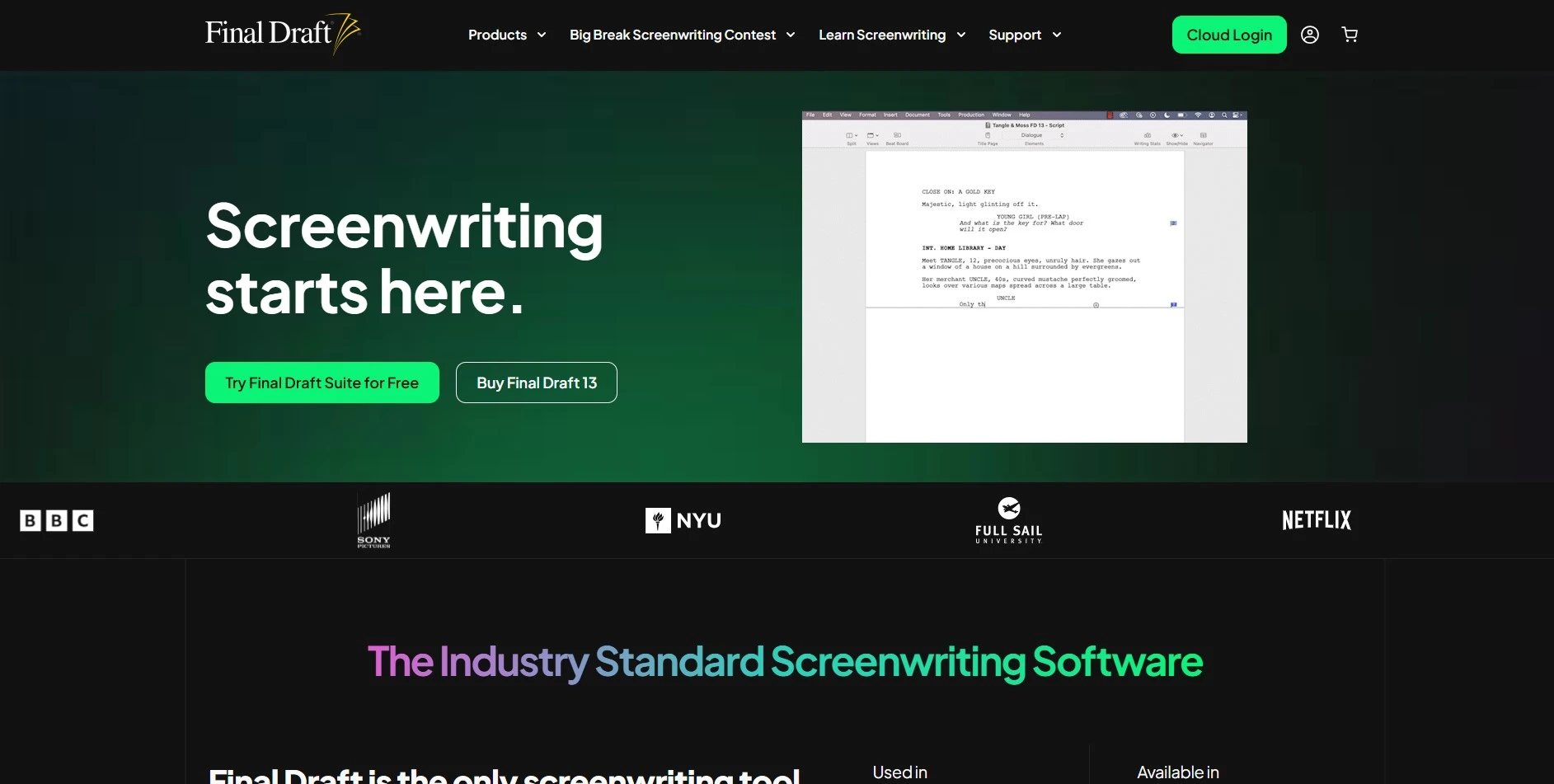
Final Draft is the industry standard for screenwriting, trusted for its automatic formatting of scripts to professional standards. It is not designed for novel writing like Dabble, but for screenwriters, playwrights, and TV writers, it remains the tool most production companies expect submissions to be compatible with.
Its one-time purchase model appeals to writers who prefer owning software outright rather than paying monthly. The trade-off is a steep upfront cost and a learning curve for beginners, though the collaboration and revision-tracking tools make it worthwhile for anyone regularly exchanging scripts with industry professionals.
Pros
- Industry-standard script formatting
- One-time purchase, no subscription needed
- Strong revision and collaboration tools
- Widely compatible with production workflows
Cons
- High upfront cost
- Not suited for novel-length prose
- No mobile app support
- Steeper learning curve for new users
Squibler
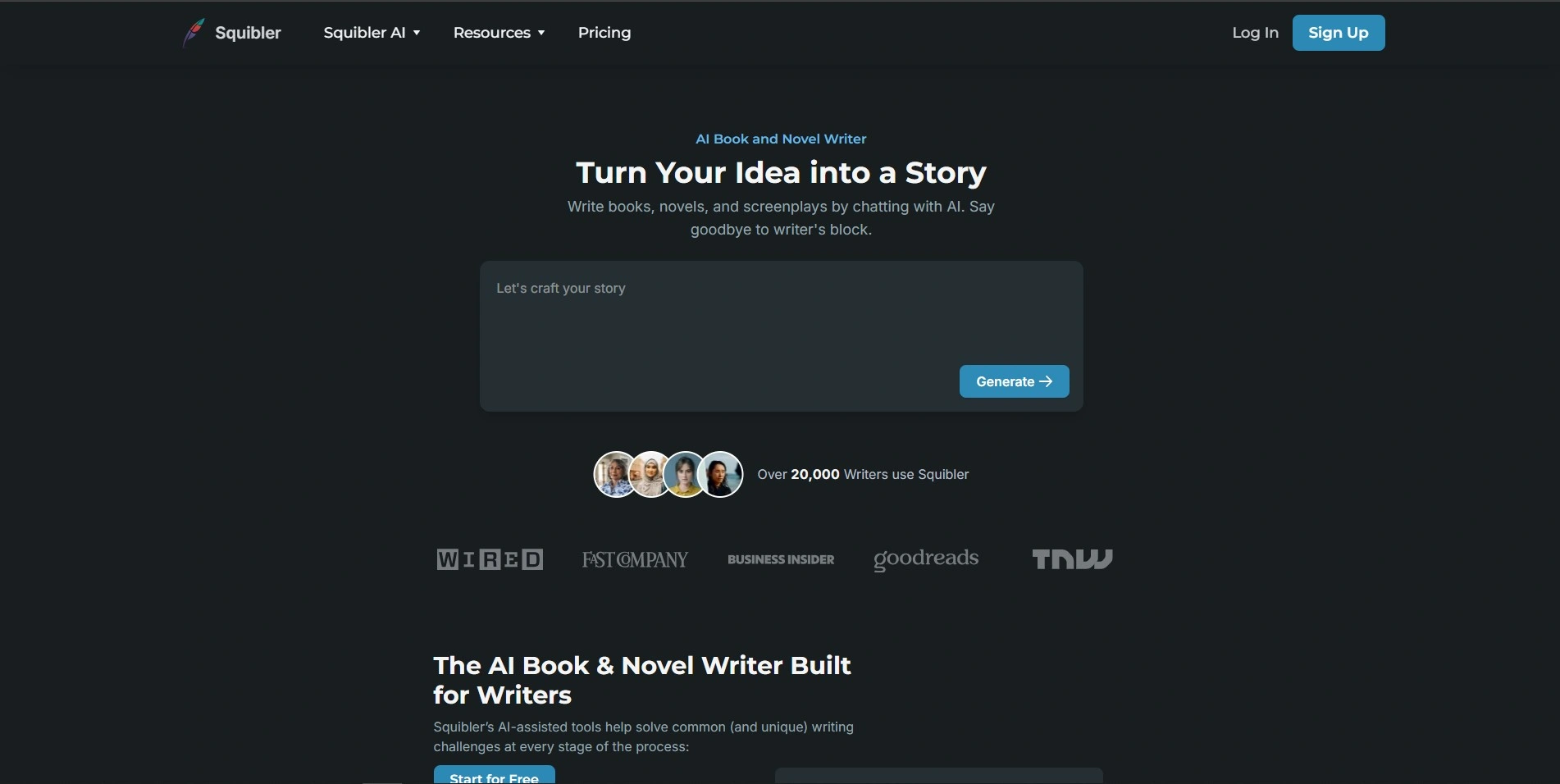
Squibler is an AI-assisted writing platform built for books, novels, and screenplays, combining structured project management with generative drafting tools. It supports chapter-based organization, planning boards, and AI-assisted rewriting, positioning it as a close competitor to Dabble for long-form fiction projects.
Its credit-based system on lower tiers can feel restrictive for writers doing heavy AI-assisted rewrites, though the unlimited Pro plan solves that at a higher price. Squibler works best as a drafting and revision environment, with many writers exporting finished work to other editors for final polish.
Pros
- Built specifically for books and screenplays
- Affordable entry-level pricing
- Real-time collaboration support
- No credit card required for trial
Cons
- Credit system limits heavy usage on lower tiers
- Primarily fiction-focused, weaker for non-fiction
- Unlimited plan is comparatively pricey
- Export still needs manual cleanup
Sudowrite
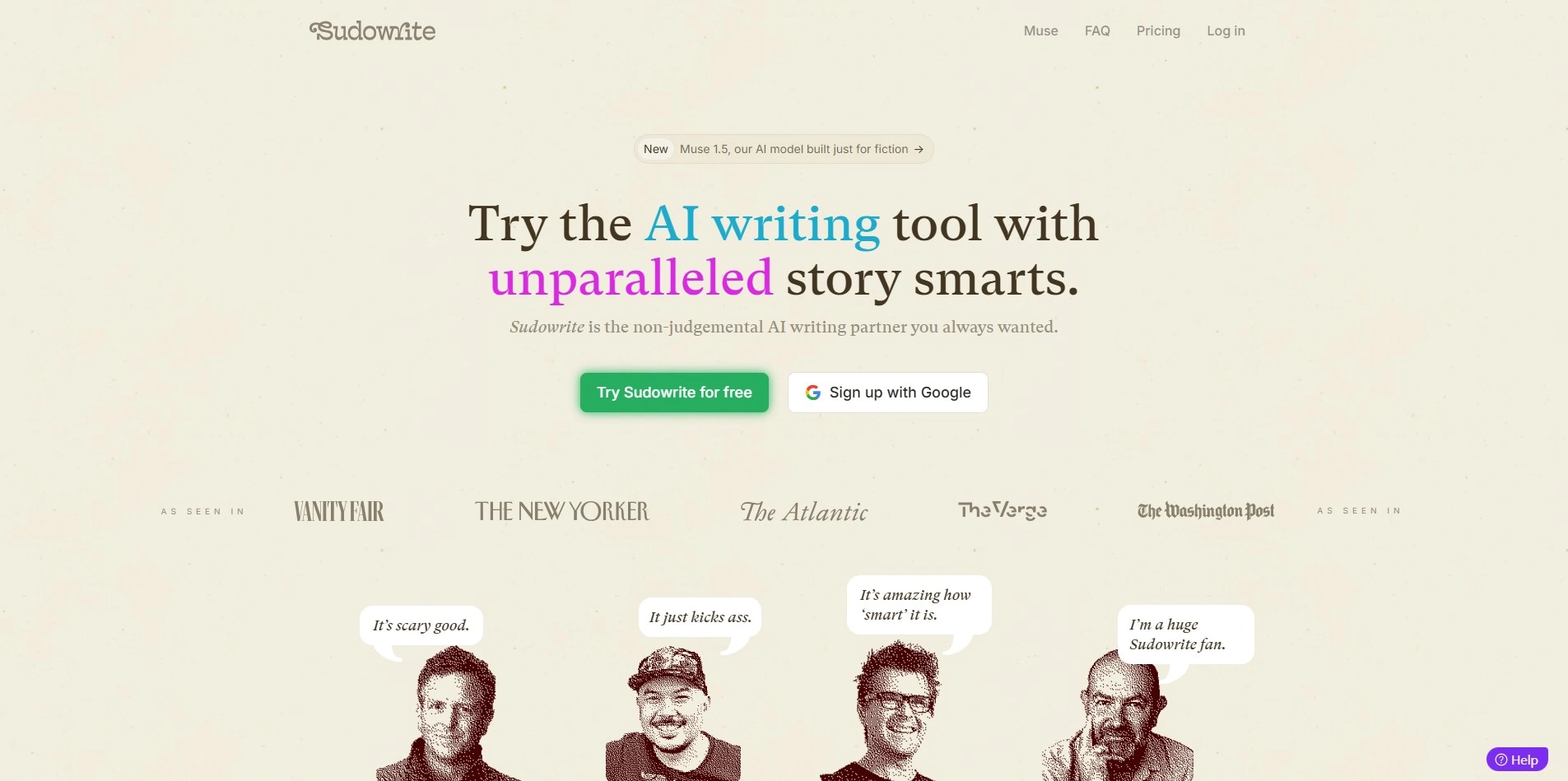
Sudowrite is widely regarded as the strongest fiction-specific prose AI available, purpose-built for novelists who want richer sentence-level writing assistance. Its Story Engine, character brainstorming, and dialogue enhancement tools make it a favorite among writers focused on prose quality over project management.
Unlike Dabble, which emphasizes structural planning, Sudowrite leans heavily into generative prose. All tiers share the same features, differing only in monthly credit allocation, so budget-conscious writers can start small and scale up credits as their manuscript grows.
Pros
- Best-in-class fiction prose generation
- All tiers include the same feature set
- Strong character and dialogue tools
- Free trial with no credit card needed
Cons
- Credit system can run out quickly for heavy users
- Less focus on structural outlining
- Max tier is costly for casual writers
- Best suited to fiction, weaker for non-fiction
ScriptAI Pro
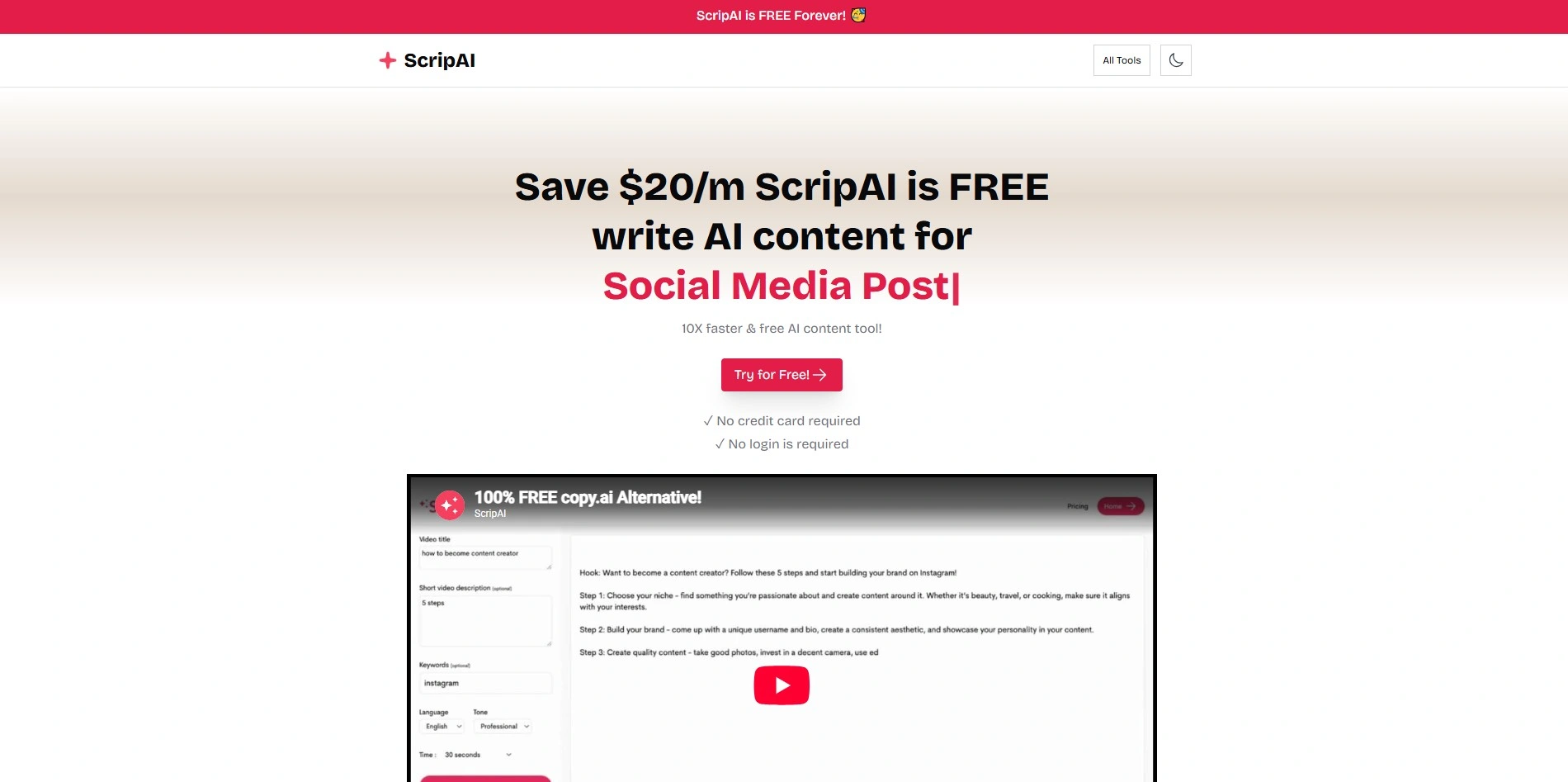
ScriptAI Pro targets screenwriters looking for AI-assisted scene generation, dialogue suggestions, and formatting help without the steep cost of established industry software. It positions itself as a budget-friendly entry point for aspiring screenwriters who want automation without a major financial commitment.
Its smaller user base means fewer third-party integrations and community resources compared to bigger names in the space. Still, for writers exploring screenplay format for the first time, it offers a lower-risk way to experiment with AI-assisted scripting before investing in premium tools.
Pros
- Budget-friendly for new screenwriters
- AI-assisted dialogue and scene tools
- Simple, approachable interface
- Useful for early script experimentation
Cons
- Smaller community and support ecosystem
- Less industry recognition than Final Draft
- Feature depth is limited on lower tiers
- Pricing details can vary and lack transparency
Mugafi

Mugafi is an India-based AI writing platform built around Ved, an assistant designed to help with plotting, character development, and dialogue for scripts and stories. It has positioned itself as a tool for both individual storytellers and larger studios, aiming to speed up development timelines for entertainment projects.
Because Mugafi serves both individual creators and production companies, its offering leans more toward story development support than a full drafting environment like Dabble. Writers wanting a structured, all-in-one novel workspace may find it better suited to script and story ideation rather than long-form manuscript writing.
Pros
- Strong focus on story and dialogue development
- Backed by entertainment industry partnerships
- Useful for both writers and production teams
- Growing character and story library
Cons
- Lacks transparent public pricing
- Less suited for pure novel manuscript writing
- Smaller international user base
- Feature set skews toward scripts over books
Beemgee
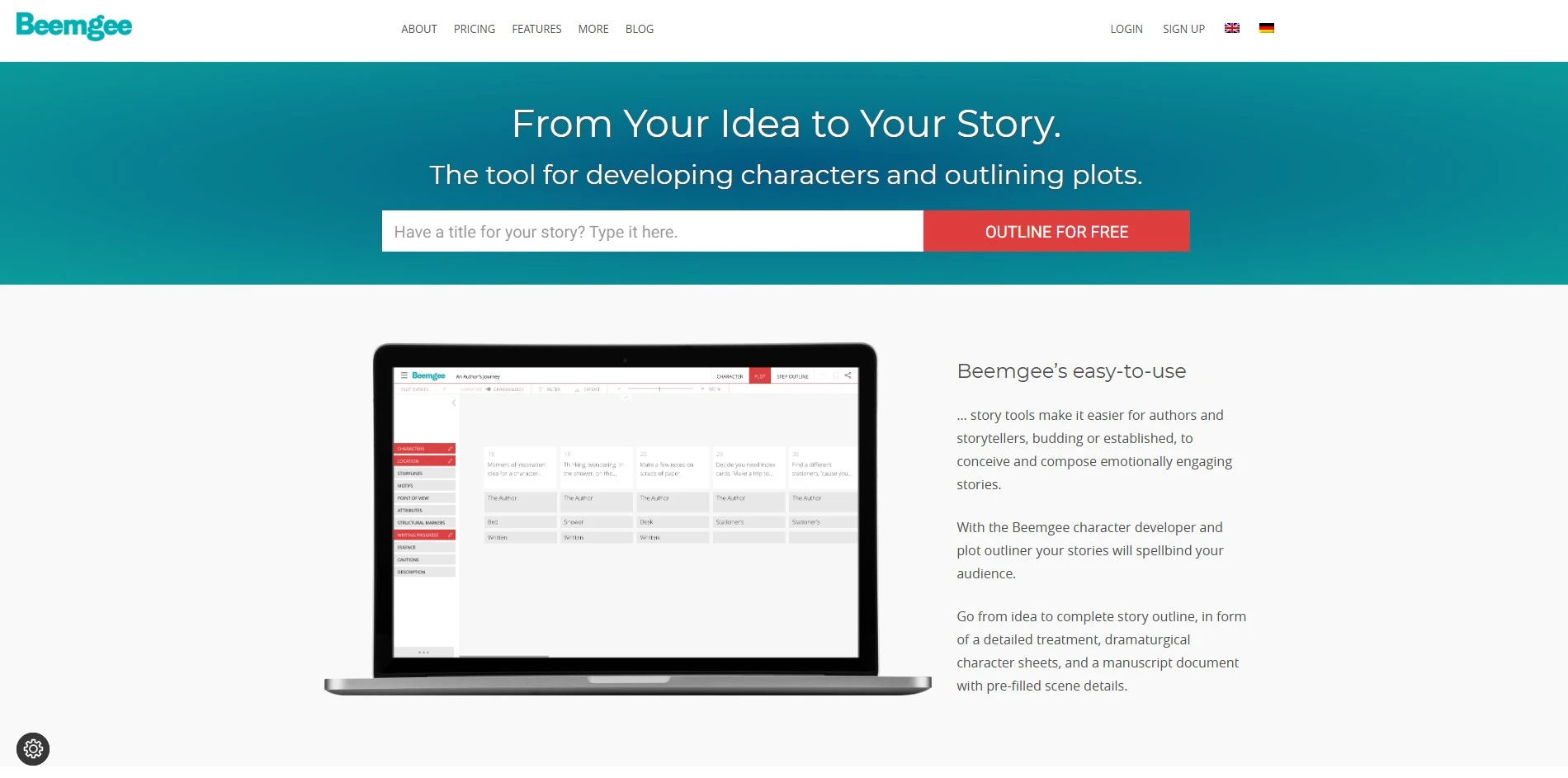
Beemgee is a story development tool focused heavily on plot structure and character motivation rather than prose generation. Its plot outliner uses draggable event cards, while its character developer emphasizes dramatic function, making it appealing to writers who think in structure before writing scenes, much like Dabble’s planning boards.
Unlike AI-driven tools, Beemgee does not generate text for you; it is purely a planning and organizational tool. This makes it a strong companion to a drafting tool rather than a replacement for one, appealing to writers who want deep structural clarity before committing to the page.
Pros
- Affordable annual pricing
- Strong plot and character structuring tools
- Free tier available indefinitely
- No AI text generation dependency
Cons
- No AI-assisted drafting or prose generation
- Best used alongside a separate writing tool
- Interface may feel niche for casual writers
- Limited to structural planning only
Claude
Claude is a general-purpose AI assistant known for careful, nuanced writing and strong performance on long documents thanks to its large context window. Writers use it for brainstorming plot ideas, refining prose, analyzing manuscript consistency, and getting structural feedback on chapters or full drafts.
While it does not include Dabble’s dedicated plot boards or character databases, its ability to process and discuss very long passages of text makes it useful for reviewing entire chapters or manuscripts at once. Many writers pair it with a structured tool like Dabble for organization and Claude for editorial feedback.
Pros
- Excellent for long-document analysis and feedback
- Free tier available with no trial expiration
- Thoughtful, nuanced writing style
- Flexible for both fiction and non-fiction
Cons
- No dedicated novel-planning interface
- Free plan has message limits
- Higher tiers can be costly for casual users
- Requires pairing with organizational tools
Studiovity
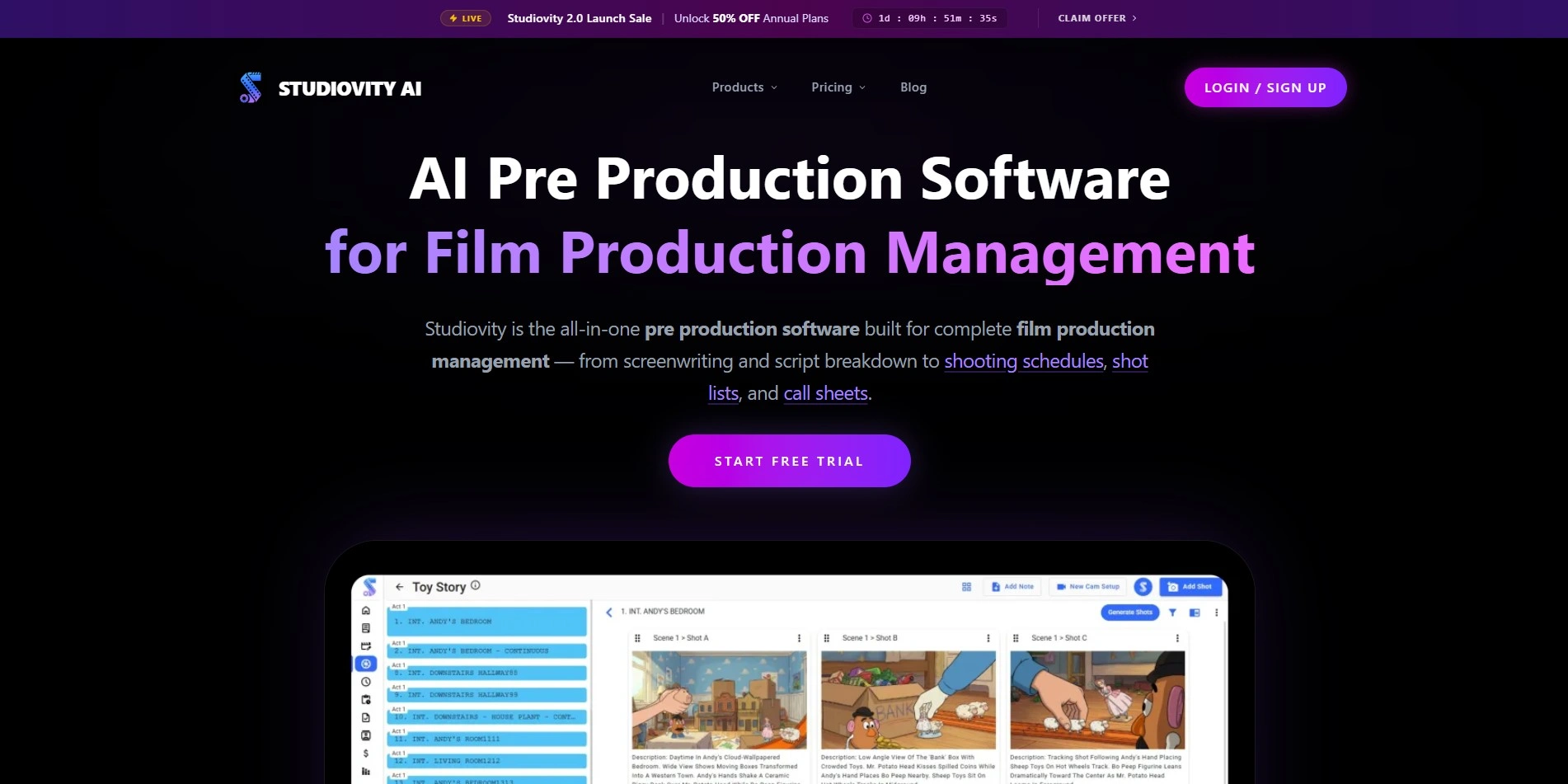
Studiovity is a web and mobile screenwriting platform supporting over 385 regional languages, making it especially useful for international screenwriters. Its Act Structure Beat Board and index card system help writers visually organize plot points, scenes, and character arcs, similar in spirit to Dabble’s planning tools but built specifically for scripts.
Because it works across web and mobile, writers can draft or reorganize scenes on the go. Its extremely low price point makes it one of the most affordable options on this list, though its feature depth is more geared toward screenplay formatting than novel-length prose development.
Pros
- Very low-cost pricing plans
- Supports 385+ regional languages
- Mobile and web accessibility
- Generous student and education discounts
Cons
- Focused on screenwriting, not novels
- Smaller global brand recognition
- Feature set narrower than dedicated novel tools
- Best suited to script formats specifically
StoryCraft AI

StoryCraft AI is a smaller, niche platform aimed at helping writers quickly generate story outlines, character arcs, and narrative beats using AI prompts. It appeals to writers who want a fast starting point for a manuscript, using guided templates to move from a loose idea to a structured outline.
Its smaller scale means less polish and fewer integrations than larger platforms like Sudowrite or Squibler. Still, for writers seeking an affordable, straightforward tool to kickstart story planning without a steep learning curve, it offers a lightweight alternative worth testing during its free trial period.
Pros
- Affordable entry-level pricing
- Quick outline and story-beat generation
- Simple, template-driven workflow
- Good for early-stage brainstorming
Cons
- Less established than major competitors
- Limited advanced feature depth
- Fewer integrations and export formats
- Pricing details not always transparent
| Alternative | Description |
|---|---|
| Jasper AI | A marketing-focused AI content hub useful for brainstorming and long-form drafts across writing types. |
| ChatGPT | A flexible general-purpose AI assistant for brainstorming, drafting, and editorial feedback. |
| Final Draft | The industry-standard screenwriting software with automatic formatting and production-grade tools. |
| Squibler | An AI-assisted writing platform combining project management with book and screenplay drafting tools. |
| Sudowrite | A fiction-specific prose AI known for high-quality sentence-level writing assistance. |
| ScriptAI Pro | A budget-friendly AI tool for screenwriters offering scene and dialogue generation. |
| Mugafi | An AI writing platform centered on story and dialogue development for scripts and studios. |
| Beemgee | A structural story development tool focused on plot outlining and character motivation. |
| Claude | A general-purpose AI assistant strong in long-document analysis and thoughtful prose feedback. |
| Studiovity | An affordable, multilingual screenwriting platform with mobile and web accessibility. |
| StoryCraft AI | A niche AI tool for quickly generating story outlines and narrative beats from prompts. |
Conclusion
Choosing the right Dabble alternative ultimately depends on what kind of writer you are and what your project needs most. If you want deep AI-assisted prose generation, Sudowrite or Squibler may serve you better, while screenwriters will likely gravitate toward Final Draft or Studiovity for their industry-standard formatting. Writers who lean more on structural planning without AI involvement might prefer Beemgee’s straightforward approach.
General-purpose assistants like ChatGPT and Claude remain valuable companions regardless of which dedicated tool you choose, offering flexible support for brainstorming, editing, and feedback. Testing the free trials or free tiers of a few options from this list before committing to a paid plan is the smartest way to find the platform that truly fits your writing process.


