

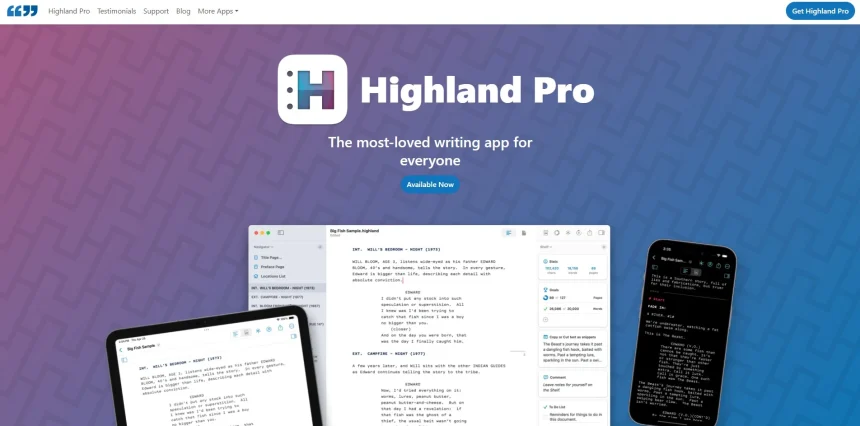
Highland 2 has long been a favorite among screenwriters for its clean, distraction-free, Fountain-based writing environment. But as AI tools mature and writers demand more collaboration, outlining, and multimedia features, many creators are looking beyond Highland 2. Whether you need AI-powered dialogue generation, visual story planning, or full-scale video scripting, there is an alternative built for your workflow. Below, we break down 12 of the best Highland 2 Alternatives available in 2026, covering their free trials, pricing plans, and the pros and cons that matter most when choosing your next writing tool.
1. DialogueGenie
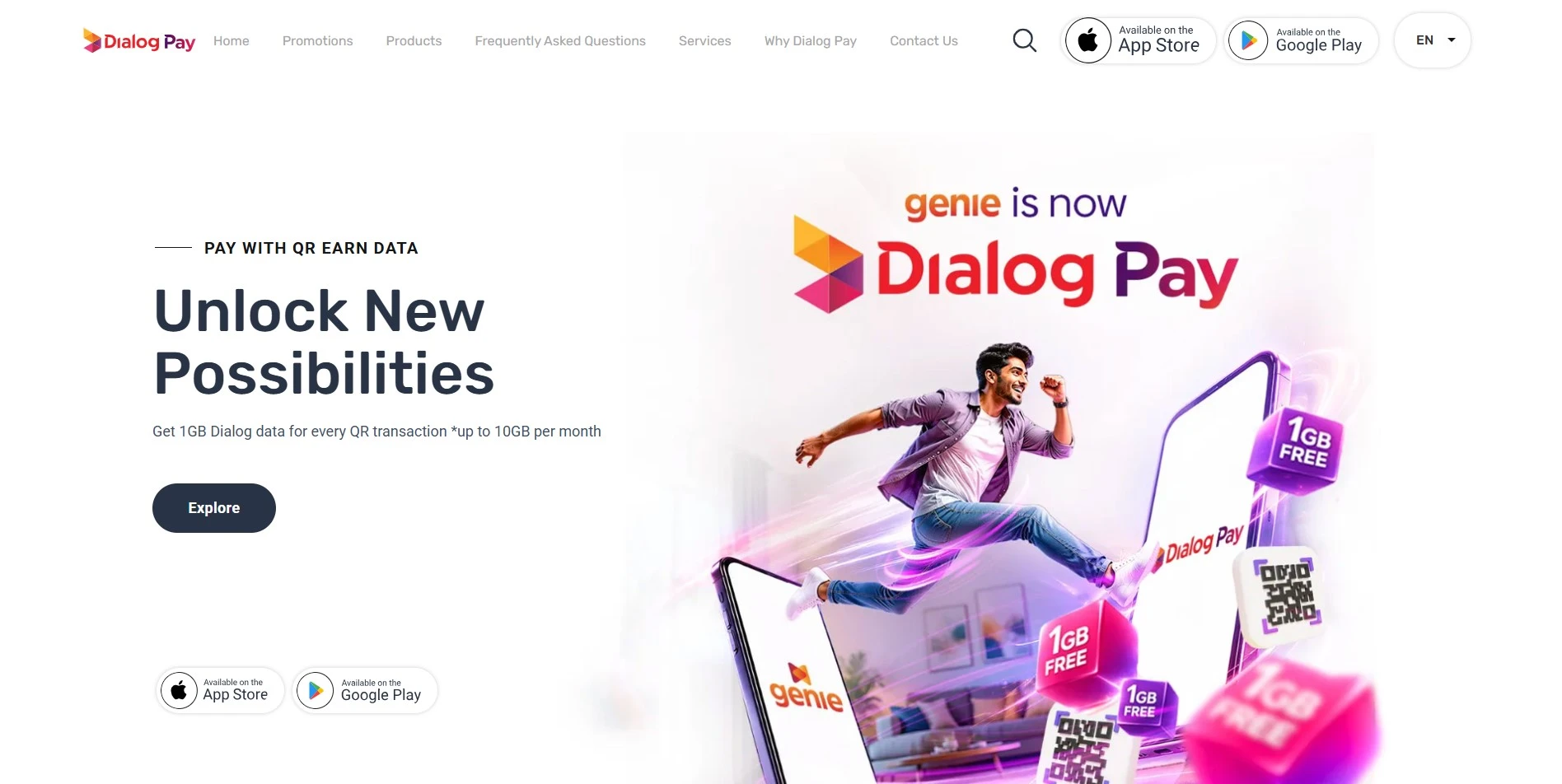
Free Trial: DialogueGenie does not publicly list a standard self-serve free trial, and most third-party listings note pricing is only available on request. Writers interested in testing the tool should contact the vendor directly for a demo or trial access before committing to a subscription, since no fixed monthly tier is published on general software marketplaces.
DialogueGenie specializes in generating natural, character-specific conversations using specialized dialogue algorithms, making it popular in gaming, animation, and interactive media production. It doesn’t try to be a full screenwriting suite like Highland 2; instead, it focuses narrowly on producing believable, branching dialogue trees that fit into larger script or game-design pipelines.
Pros
- Specializes in natural, character-driven dialogue
- Useful for games and interactive media
- Can speed up branching conversation writing
Cons
- No transparent public pricing
- Not a full screenwriting replacement
- Limited outlining or formatting tools
2. ChatGPT

Free Trial: ChatGPT offers a free tier with access to a capable model, letting writers draft scenes, brainstorm dialogue, and get feedback without paying. This makes it an easy on-ramp for screenwriters exploring AI-assisted writing before deciding whether a paid tier’s extra features are worth the monthly cost.
ChatGPT isn’t built specifically for screenwriting, but its conversational flexibility makes it a strong general-purpose substitute for Highland 2’s writing assistance. Writers use it for brainstorming loglines, punching up dialogue, restructuring scenes, and getting instant feedback, all without any specialized script-formatting environment attached.
Pros
- Free tier is genuinely useful
- Extremely versatile for brainstorming
- Fast iteration on dialogue and structure
Cons
- No industry-standard script formatting
- No visual outlining tools
- Requires manual copy-pasting into other apps
3. Beemgee
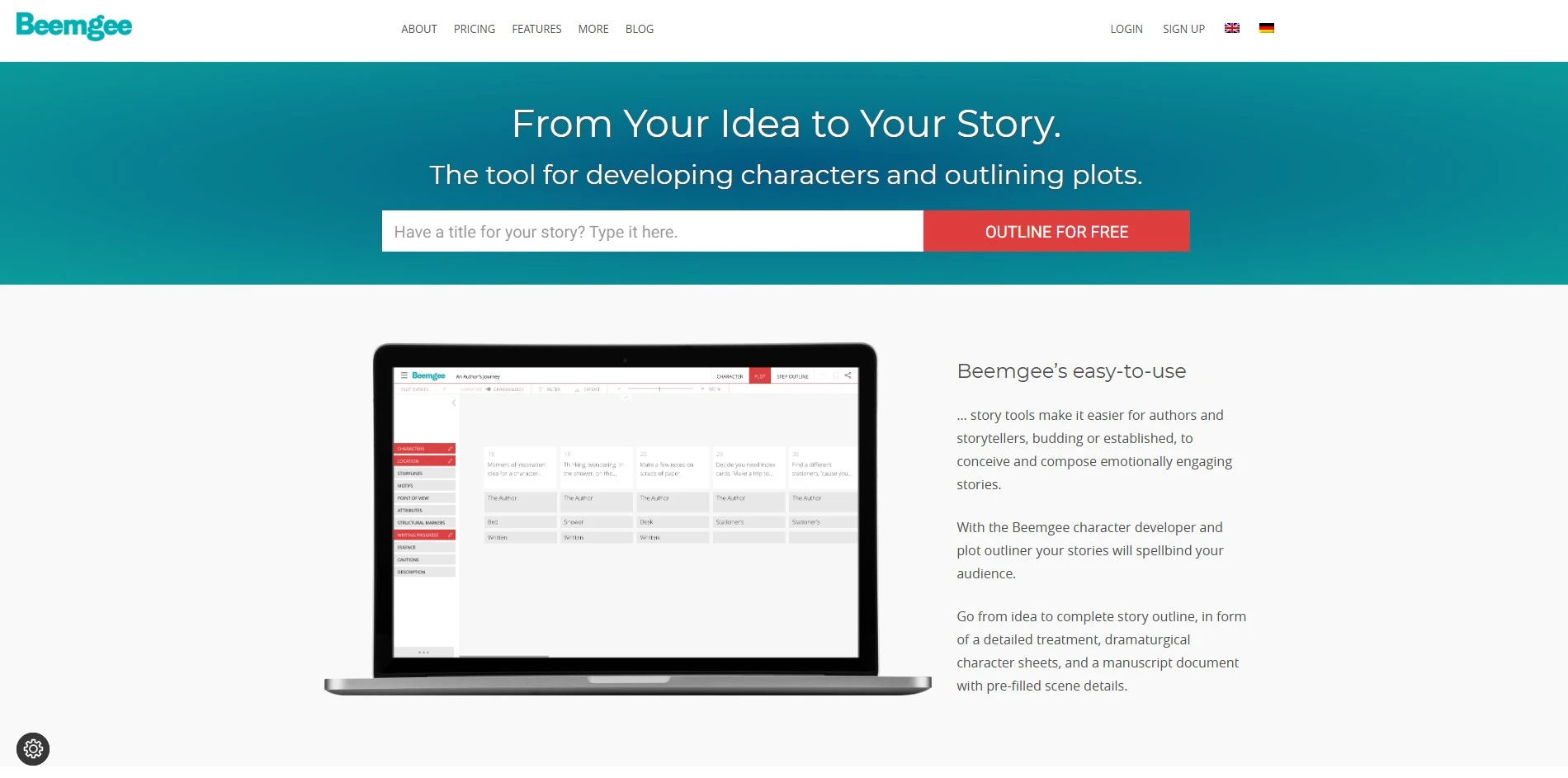
Free Trial: Beemgee lets you try the tool without registering at all, with test projects available instantly, though they don’t save. Signing up for a free account unlocks basic saved projects, while Premium unlocks the full toolkit including advanced character and plot attributes.
Beemgee is a story-development and outlining tool rather than a script editor, focusing heavily on character motivation and dramaturgy before a single line of dialogue is written. It offers timeline and corkboard views for organizing scenes, plus deep character-attribute tagging that helps writers understand the “why” behind every plot beat.
Pros
- Affordable premium pricing
- Strong character-development framework
- Flexible timeline and corkboard views
Cons
- Not a script formatting tool
- Free test projects don’t save
- Steeper learning curve for dramaturgy terms
4. Plottr

Free Trial: Plottr offers a free trial so writers can test its visual timeline and plotting features before purchasing. No credit card is typically required upfront, letting authors explore templates, scene cards, and character tracking risk-free for a limited period.
Plottr is a visual outlining tool built for novelists and screenwriters who want to map plotlines, scenes, and character arcs before drafting. It includes over 30 plot templates and exports directly to Word or Scrivener, making it a strong pre-writing companion rather than a direct Highland 2 replacement for formatting.
Pros
- Excellent visual scene organization
- Lifetime license option available
- Large library of plot templates
Cons
- Not a script formatter
- Some template rigidity reported
- Requires pairing with a writing tool
5. Arc Studio Pro
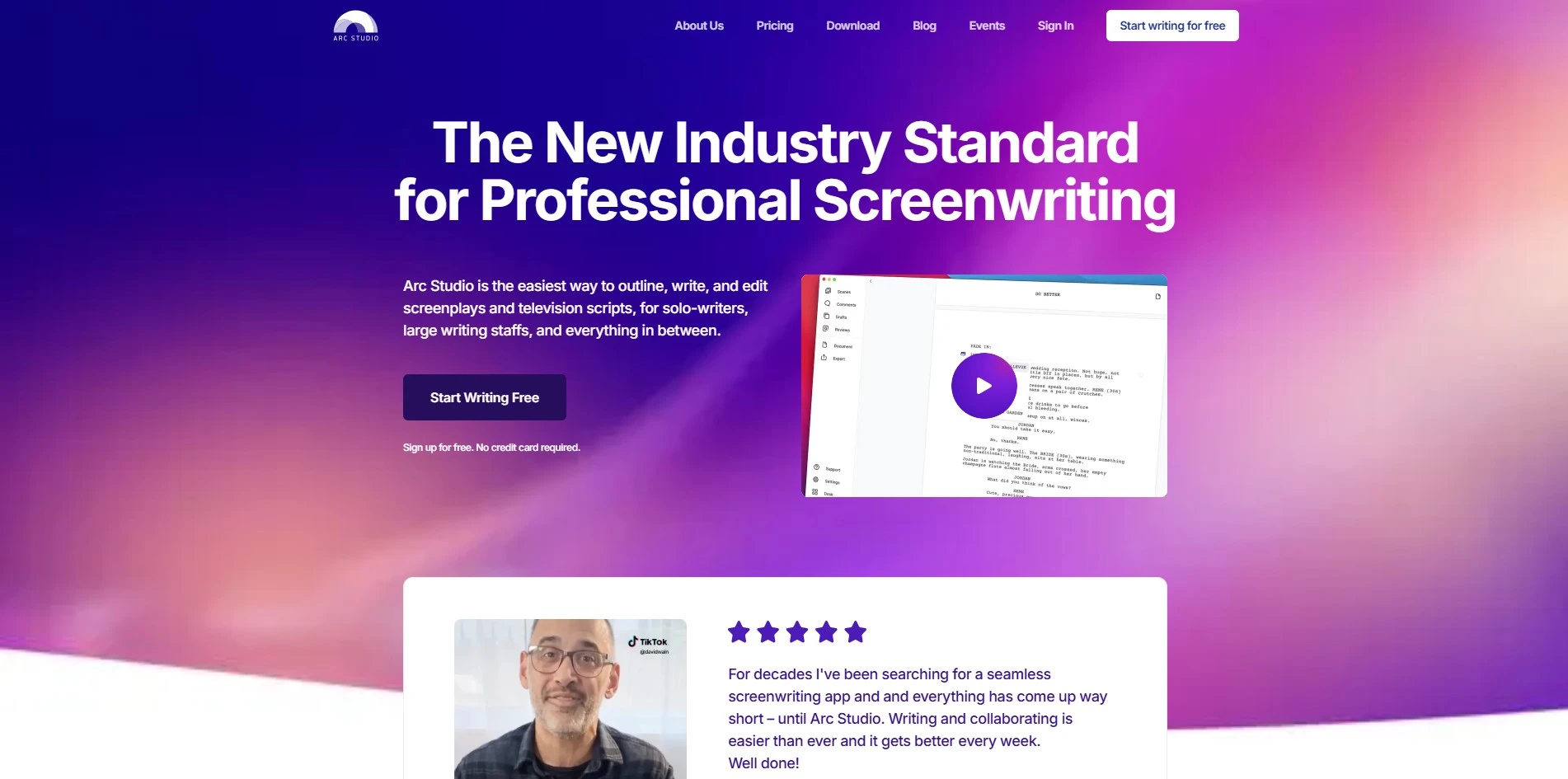
Free Trial: Arc Studio offers a generous free-forever plan plus a 7-day free trial of the Pro plan, letting writers test outlining, custom formatting, and collaboration features before subscribing, with no credit card required to get started on the free tier.
Arc Studio Pro is widely considered the closest cloud-native competitor to Highland 2, offering industry-standard formatting alongside a digital whiteboard for organizing storylines and characters. Its drag-and-drop interface, real-time collaboration, and automatic cloud backup make it especially popular with writers’ rooms and teams working across multiple devices.
Pros
- Strong industry-standard formatting
- Real-time collaboration built in
- Affordable annual pricing
Cons
- Free plan exports carry a watermark
- Collaborators may need their own subscription
- Limited offline support on some platforms
6. Powtoon AI Script Writer
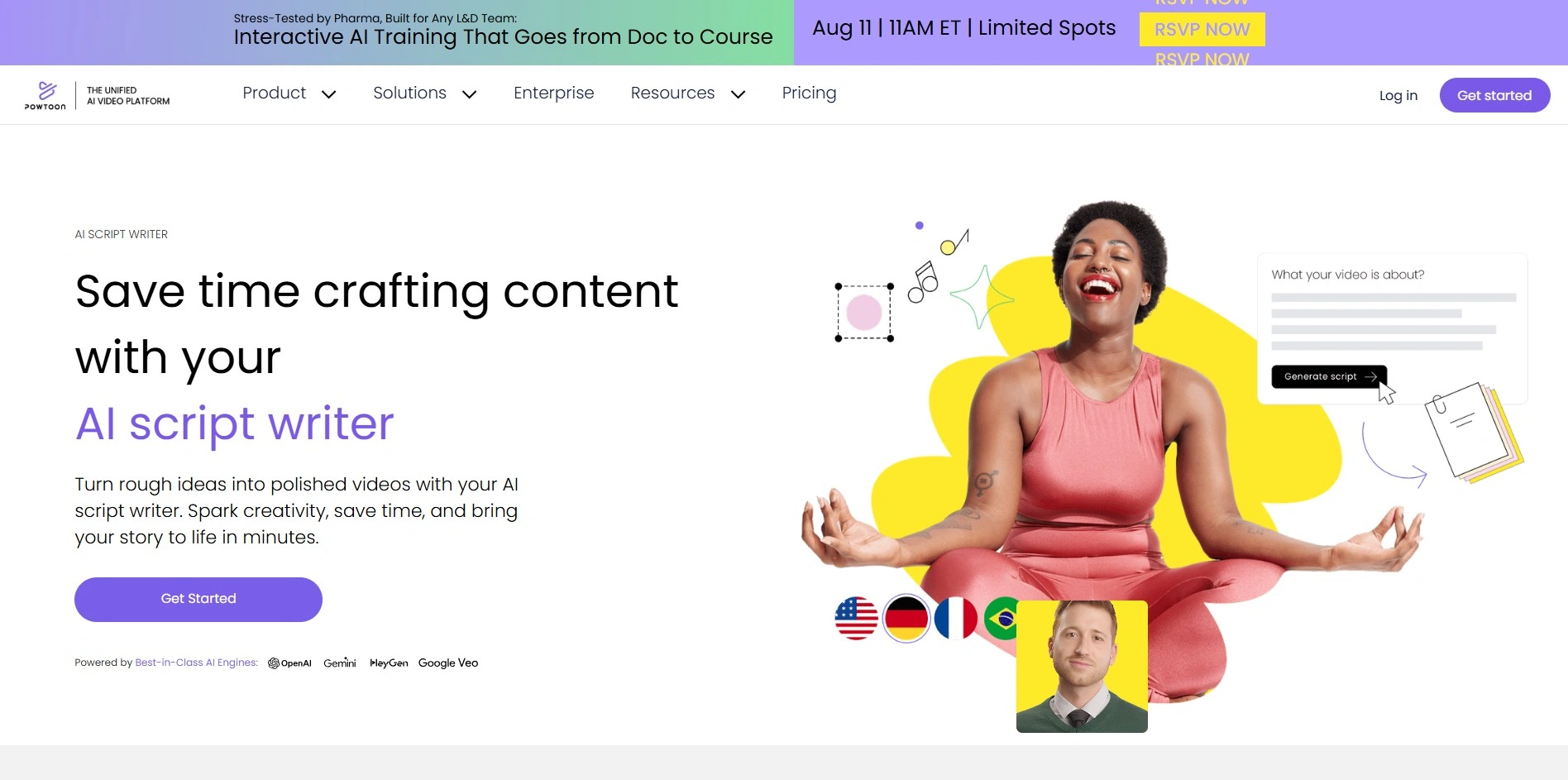
Free Trial: Powtoon offers a free plan capped at short video lengths with watermarked exports, which effectively works as a trial. Some reviewers note credit-card-free sign up is available, letting users sample the AI script and video generation tools before upgrading to a paid tier.
Powtoon combines AI script generation with animated video creation, making it a strong choice for creators who need a script and a finished animated explainer in one platform. Unlike Highland 2’s plain-text focus, Powtoon is built for marketers, educators, and YouTubers producing multimedia content rather than traditional screenplays.
Pros
- Combines scripting with video production
- Large library of templates and characters
- Useful AI image and script generation tools
Cons
- Not designed for screenplay formatting
- Higher tiers get expensive quickly
- Free tier is heavily watermarked
7. Google Gemini

Free Trial: Gemini offers a free access tier through Google’s consumer apps, allowing writers to draft dialogue, outline scenes, and brainstorm ideas at no cost. A paid Google AI subscription unlocks more advanced models and higher usage limits for heavier writing workloads.
Gemini functions similarly to ChatGPT as a general AI writing assistant rather than a dedicated screenwriting tool, but its integration with Google Docs and Workspace makes it convenient for writers already living in that ecosystem. It’s especially handy for quick script rewrites, tone adjustments, and structural suggestions during early drafts.
Pros
- Deep Google Docs and Workspace integration
- Solid free tier for casual use
- Good at structural and tone feedback
Cons
- No screenplay-specific formatting
- Not built for visual outlining
- Advanced features require a subscription
8. Storyflow
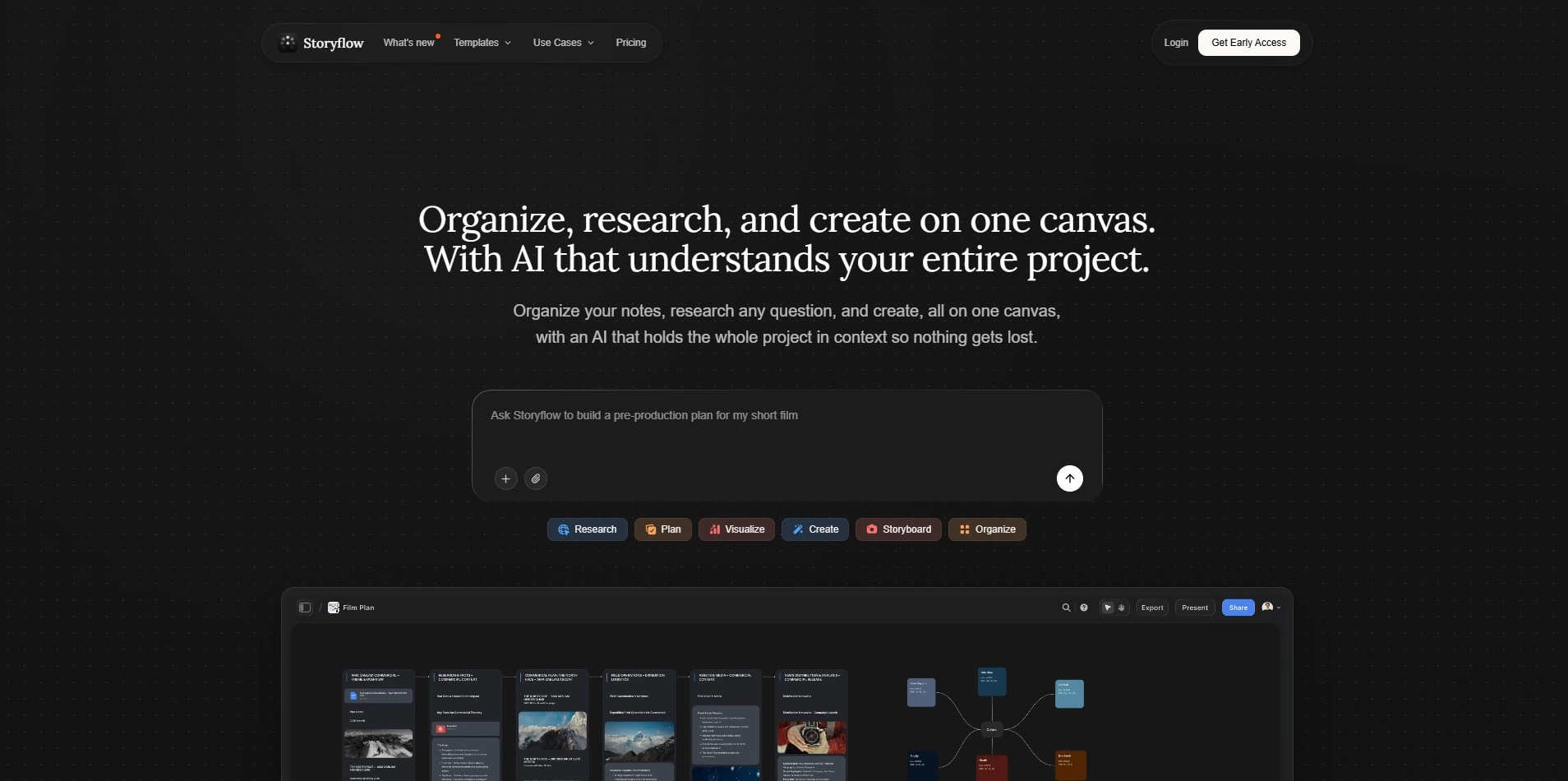
Free Trial: Storyflow’s Free plan is free forever with no credit card required and no expiry, offering unlimited boards, basic AI usage, and starter blueprints, making it one of the more genuinely accessible options for writers wary of hidden trial limitations.
Storyflow is a canvas-based story development tool where beats, characters, and research all live on one AI-readable board, making it especially strong for series bibles and structural planning. It doesn’t format screenplay pages like Highland 2, so many writers pair it with a dedicated screenwriting or prose tool for the actual drafting stage.
Pros
- Genuinely free forever plan
- AI reads the entire canvas for context
- Great for series bibles and structure
Cons
- Doesn’t format actual script pages
- AI usage is limited on lower tiers
- Best used alongside another writing tool
9. Claude
Free Trial: Claude offers a free usage tier that lets writers experiment with dialogue polishing, scene brainstorming, and structural feedback before considering a paid subscription. This makes it accessible for screenwriters who want occasional AI assistance without ongoing costs.
Claude is known for producing thoughtful, well-structured prose and handling longer creative documents gracefully, which suits writers drafting extended scenes or full outlines. While it lacks any screenplay-specific formatting, its ability to hold context across long documents makes it useful for revising entire acts at once rather than isolated lines.
Pros
- Strong at handling long documents
- Thoughtful, well-structured creative writing
- Useful free tier for casual writers
Cons
- No dedicated screenplay formatting
- No visual outlining or story-board tools
- Usage limits apply on the free tier
10. Copy.ai
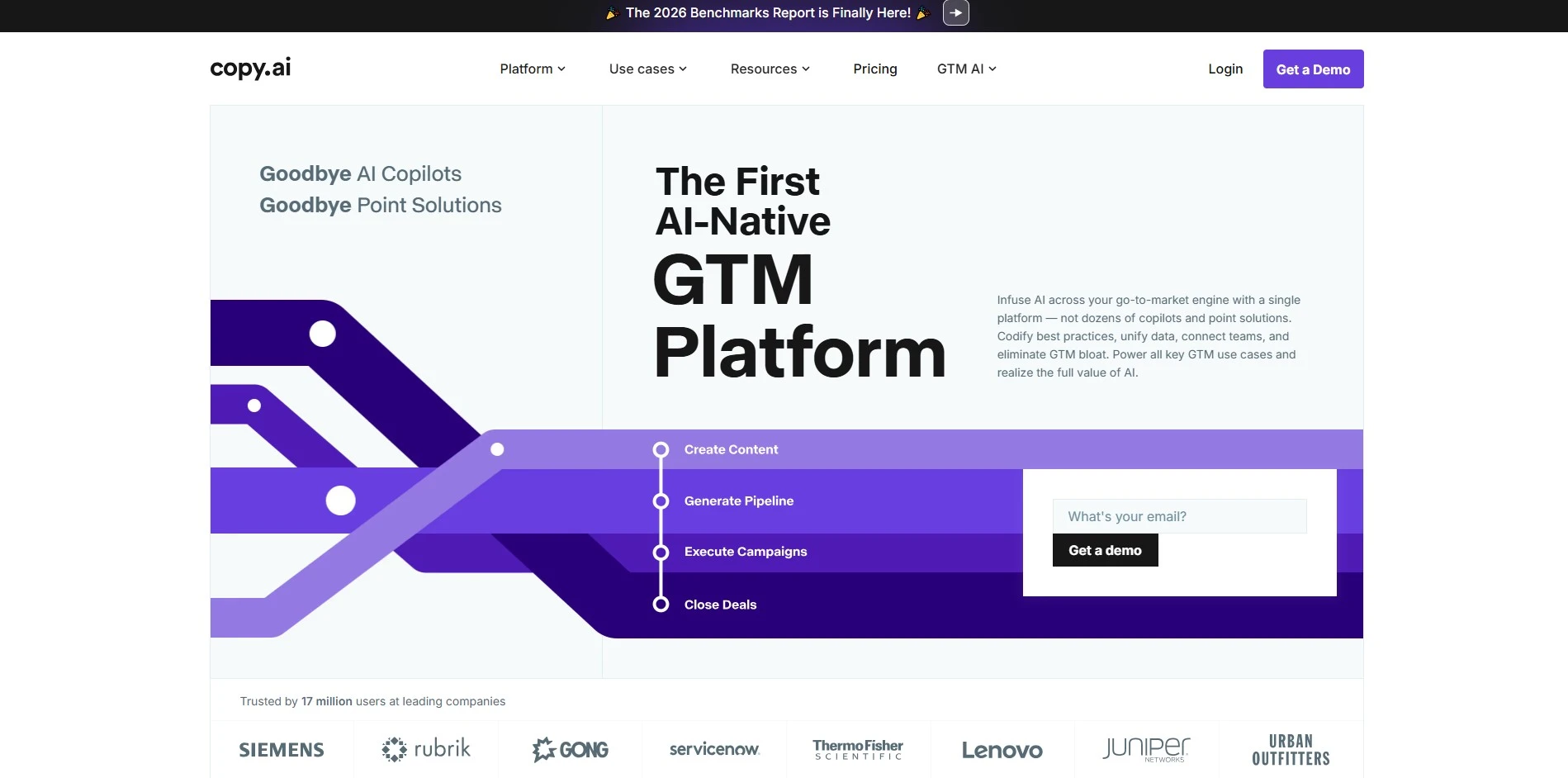
Free Trial: Copy.ai offers a free plan including around 2,000 words per month and access to numerous templates, with no credit card required. This lets writers test short-form generation before deciding whether the paid Chat tier fits their scripting or content workflow.
Copy.ai has shifted from a simple AI writing assistant toward a broader go-to-market content platform, but its Chat feature still supports scene brainstorming, dialogue punch-ups, and outline generation. It’s less screenplay-focused than tools like Arc Studio, making it better suited to writers who also need marketing or promotional copy alongside their script work.
Pros
- Access to multiple AI models in one place
- Useful free tier for light writing tasks
- Handles both scripts and marketing copy
Cons
- Large price jump between Chat and Growth tiers
- Not built specifically for screenwriting
- Workflow credits can be confusing to track
11. Mugafi

Free Trial: Mugafi offers trial access to its AI script writing platform so users can test dialogue generation, scene expansion, and story development features before committing to a subscription. Exact trial length and terms are best confirmed directly on Mugafi’s official site.
Mugafi positions itself as a comprehensive AI script writing solution covering dialogue, plotlines, scene descriptions, and character development for films, ads, and social content. It’s built to serve both professional screenwriters and business owners producing video scripts, making it more content-creation-oriented than Highland 2’s screenplay-only focus.
Pros
- Covers full script lifecycle from idea to draft
- Useful for both film and marketing scripts
- AI-assisted character and dialogue tools
Cons
- Pricing not fully transparent publicly
- Less established than Final Draft-style tools
- May require research to find the right plan
12. StoryCraft AI

Free Trial: StoryCraft AI typically offers a trial or limited free usage period so writers can test its AI-assisted plotting and drafting features before subscribing. Confirming exact trial length and conditions directly through StoryCraft AI’s official website is recommended before signing up.
StoryCraft AI focuses on helping writers structure narratives using AI-guided prompts, often blending outlining with drafting assistance in a single interface. It appeals to writers who want more guidance than a blank page offers but still want control over the final creative direction of their story.
Pros
- AI-guided narrative structuring
- Helpful for overcoming writer’s block
- Combines outlining and drafting in one tool
Cons
- Smaller user community than major competitors
- Pricing details require checking official site
- Not focused on screenplay formatting standards
| Alternative | Description |
|---|---|
| DialogueGenie | AI tool specialized in generating natural, character-specific dialogue for games and interactive media. |
| ChatGPT | General-purpose AI assistant useful for brainstorming, dialogue, and scene rewriting. |
| Beemgee | Story development tool focused on character motivation and plot dramaturgy before drafting. |
| Plottr | Visual outlining software for mapping plotlines, scenes, and character arcs. |
| Arc Studio Pro | Cloud-native screenwriting software with industry-standard formatting and collaboration. |
| Powtoon AI Script Writer | AI script and animated video creation platform for marketers and educators. |
| Google Gemini | Google’s AI assistant integrated with Workspace, useful for drafting and feedback. |
| Storyflow | Canvas-based story planning tool with AI that reads the entire board for context. |
| Claude | AI assistant known for thoughtful, well-structured long-form creative writing. |
| Copy.ai | AI content platform blending chat-based writing with marketing workflow automation. |
| Mugafi | AI script writing platform covering dialogue, plot, and scene development for film and ads. |
| StoryCraft AI | AI-guided narrative structuring tool combining outlining and drafting assistance. |
Conclusion
Highland 2 remains a beloved tool for its simplicity, but the alternatives above show just how diverse the modern writing landscape has become. Whether you need AI-generated dialogue, visual story planning, full video scripting, or a collaborative cloud-based screenwriting suite, there’s a tool on this list built for your specific workflow. The best choice ultimately depends on whether you prioritize formatting precision, AI assistance, or visual outlining, so it’s worth testing a few free trials before settling on your new go-to writing companion.


